
10 Tips for Choosing Motorized Window Shades?
Choosing motorized window shades is not simply a matter of picking a fabric and pressing a button. The right system must balance privacy, daylight control, energy performance, appearance, safety, and long-term reliability. A quiet shade lowering over a sunny bedroom can feel effortless, but poor measurements or weak controls may create daily frustration.
This guide, “10 Tips for Choosing Motorized Window Shades,” focuses on decisions homeowners often overlook. Consider the window’s width, nearby furniture, sunlight direction, and available power before comparing colors. A south-facing room may need solar-screen fabric, while a media room may benefit from room-darkening material. Check motor noise, battery life, remote range, smart-home compatibility, and warranty coverage. Professional measurement can also prevent uneven gaps and installation problems.
Real-world use matters. A child may lose the remote, a battery may weaken during winter, or a wireless connection may fail unexpectedly. No checklist is perfect. Still, testing the controls, reviewing manufacturer specifications, and asking qualified installers detailed questions can reduce costly surprises. Look for transparent performance claims and documented safety information. Reliable suppliers should explain maintenance, replacement parts, and service support clearly.
The best choice may not be the most expensive one. It should fit the room, routine, and budget without creating unnecessary complexity. These ten practical tips will help you compare options carefully and choose shades that work beautifully beyond the showroom.
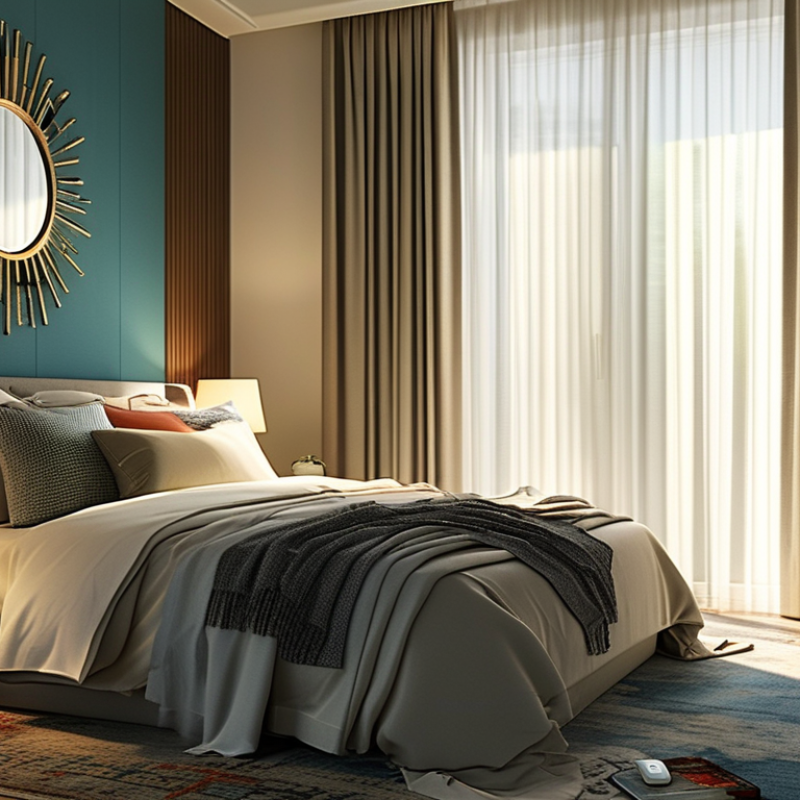
Define Your Room’s Light, Privacy, and Comfort Requirements
10 Tips for Choosing Motorized Window Shades: Define Your Room’s Light, Privacy, and Comfort Requirements
Begin with the room’s real behavior, not its furniture. Track harsh sunlight at 9 a.m., noon, and late afternoon. Note reflections on screens, faded flooring, and uncomfortable heat near the glass. The U.S. Department of Energy reports that windows can account for 25–30% of residential heating and cooling energy use. That makes light control a comfort decision, not merely a design preference. I once chose a translucent fabric for a bright office. It looked elegant, but the screen remained difficult to read. That choice needed more testing.
Match the shade to each window’s exposure. South- and west-facing glass often needs stronger solar control. Bedrooms need dependable privacy after sunset. Bathrooms need privacy without making the room feel sealed. Measure the window recess carefully, including handles and trim. Small errors can create visible light gaps. They can also affect motor movement. For technical comparison, review U-factor, solar heat gain coefficient, and visible transmittance. These measures are discussed in guidance from the U.S. Department of Energy and the Attachments Energy Rating Council.
Consider quiet operation, manual controls, battery access, and safe low-voltage installation. Keep emergency access clear. A schedule can lower morning glare, but fixed routines are imperfect during seasonal changes. Test scenes in actual use. Watch the shade while someone works, sleeps, or watches television. Privacy is personal. A partially open shade may feel comfortable to one household and exposed to another.
10 Tips for Choosing Motorized Window Shades? - Define Your Room’s Light, Privacy, and Comfort Requirements
| Tip | Room Requirement | Recommended Shade Choice | Useful Specification or Setting | Why It Matters |
|---|---|---|---|---|
| 1. Measure the daylight level | Living rooms, home offices, and kitchens with strong direct sun | Solar screen or light-filtering fabric | Choose an openness factor of approximately 1%–5%; lower percentages generally block more glare and provide greater daytime privacy. | The correct openness level can reduce harsh glare while preserving some outward visibility and natural light. |
| 2. Define your privacy schedule | Bedrooms, bathrooms, and street-facing windows | Room-darkening or privacy-focused shades | Use closed or lowered positions after sunset, when interior lighting can make daytime privacy fabrics less effective. | Many screen fabrics provide daytime privacy but may allow silhouettes to be seen at night from outside. |
| 3. Prioritize sleep quality | Bedrooms, nurseries, and shift-worker sleeping areas | Room-darkening or blackout roller shades with side channels where appropriate | Schedule shades to close before bedtime and open gradually in the morning; minimize edge gaps for better light control. | Reducing early-morning light can support a darker sleeping environment, although no shade eliminates every light gap. |
| 4. Plan for screen and monitor glare | Home offices, study rooms, and media rooms | Low-glare solar screen or light-filtering shade | Set an automatic closure during the brightest part of the day; position screens perpendicular to windows when possible. | Managing direct sunlight improves screen readability and can reduce eye strain caused by reflections. |
| 5. Match the shade to heat exposure | South- and west-facing rooms or windows with prolonged afternoon sun | Reflective, solar-control, or tightly woven fabric | Close shades before peak solar exposure; exterior shading is generally more effective than interior shading for reducing solar heat gain. | Blocking sunlight before it passes through the glass can help improve comfort and reduce cooling demand. |
| 6. Consider cold-weather comfort | Rooms with large windows or noticeable winter drafts | Cellular shades or tightly fitted insulated shades | Choose a design with a close fit and use a schedule that lowers shades after sunset and raises them for daytime solar warmth. | Insulated window coverings can reduce radiant chill, but their performance depends on fit, installation, and window condition. |
| 7. Check window size and weight | Wide windows, tall glass doors, and multiple connected shades | A motor and tube system rated for the shade’s measured dimensions and fabric weight | Confirm maximum width, height, weight, roller-tube size, and mounting clearance before ordering. | Oversized or heavy shades may require stronger hardware, multiple shades, or additional support to operate reliably. |
| 8. Select the right power method | Existing homes, hard-to-reach windows, and new construction | Rechargeable battery, plug-in, or hardwired motor based on access and wiring | Plan an accessible charging location; rechargeable systems commonly need periodic charging, depending on size and use frequency. | Power planning affects installation cost, wall appearance, maintenance access, and long-term convenience. |
| 9. Use automation for comfort | Rooms that need changing light, privacy, or temperature control throughout the day | Programmable motorized shades with timers or light and temperature sensors | Create separate schedules for weekdays, weekends, sunrise, sunset, and seasonal changes. | Automation helps maintain consistent comfort and privacy without requiring manual adjustment at every window. |
| 10. Review safety and control access | Homes with children, pets, or windows near walkways and furniture | Cordless motorized shades with secure mounting and local manual controls | Keep controls out of young children’s reach and follow applicable window-covering safety requirements. | Cordless operation reduces accessible dangling cords, while secure installation supports safe everyday use. |
Related Posts
-
Best Motorized Window Shades for Your Home Design Needs?
-
How to Choose the Best Motorized Roller Shades for Your Home?
-
How to Choose the Best Motorized Window Shades for Your Home?
-
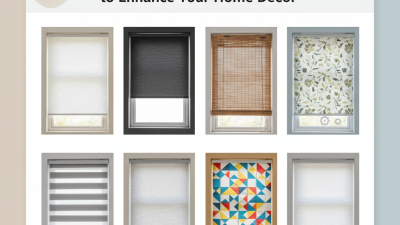
Top 10 Roller Blinds for Windows to Enhance Your Home Décor
-
Why Blackout Shades Are Essential for Better Sleep and Home Comfort
-
Ultimate Tips for Choosing Blackout Shades for Windows?

