2025 Top 10 Wood Blinds: The Best Choices for Style and Functionality
In the ever-evolving world of interior design, the demand for wood blinds has seen a significant surge, driven by their unique combination of aesthetic appeal and functional benefits. According to a recent report by the Window Covering Manufacturers Association, the wood blinds market is projected to grow at a CAGR of 4.3% from 2023 to 2028, indicating an increasing consumer preference for eco-friendly and stylish home solutions. Wood blinds provide not only an elegant touch to any room but also offer superior light control and insulation properties, making them a practical choice for homeowners.
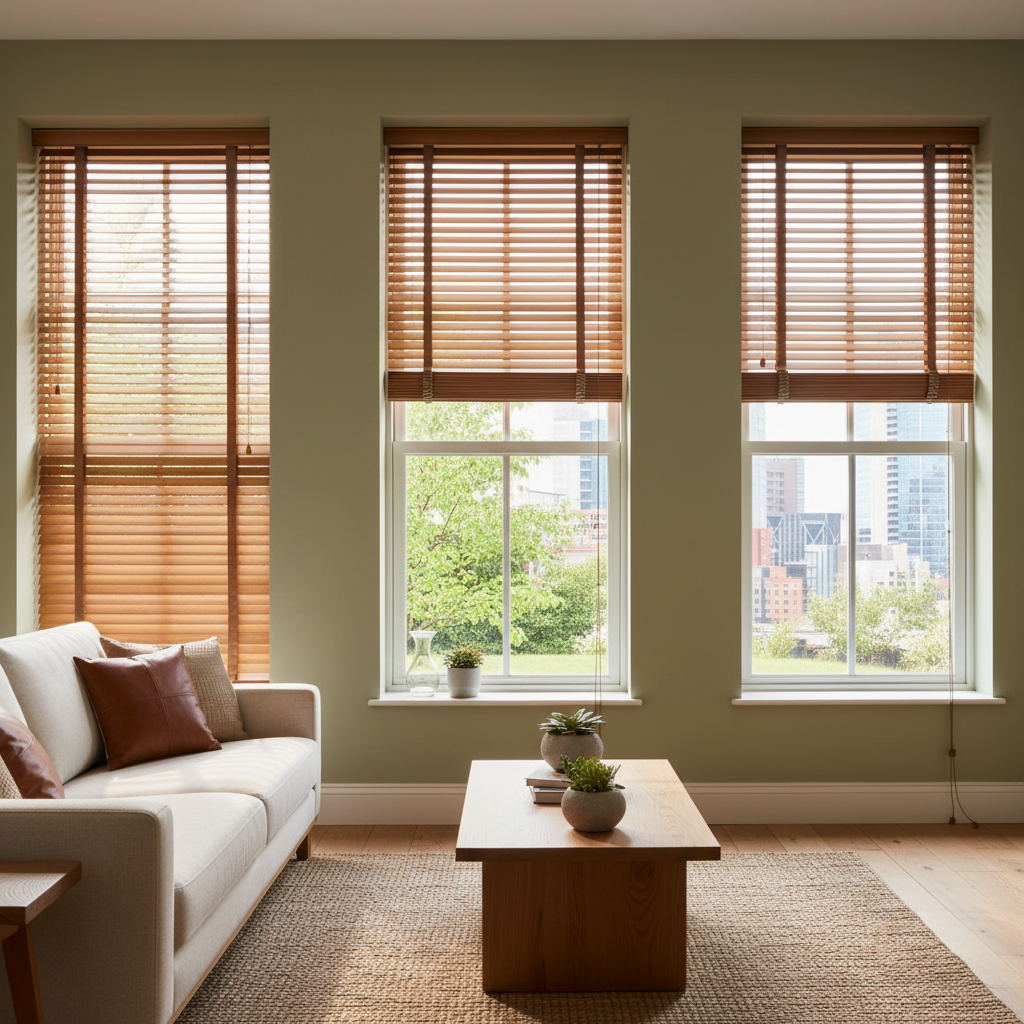
As we approach 2025, it becomes essential to consider the top options available in the market that marry style with functionality. With a plethora of choices, each with its own set of features, understanding the best wood blinds can significantly enhance the living experience. Whether it's a classic oak finish or a modern bamboo design, these window treatments contribute to both the ambiance and energy efficiency of spaces. Our exploration of the top 10 wood blinds will guide you through the most impactful selections that fulfill both aesthetic desires and practical needs, ensuring informed purchasing decisions for discerning homeowners.
Top Trends in Wood Blinds for 2025: Style Meets Practicality
As we look ahead to 2025, wood blinds are set to dominate the window treatment market, blending style with practicality in unprecedented ways. According to the Window Covering Manufacturers Association, the demand for environmentally friendly and durable window treatments has risen by 20% in recent years. This trend is reflected in the choice of sustainable materials that not only enhance aesthetic appeal but also promote eco-conscious living. Manufacturers are increasingly sourcing wood from responsibly managed forests, ensuring that style does not come at the expense of environmental stewardship.
Another key trend driving the popularity of wood blinds in 2025 is the integration of smart home technology. Reports indicate that smart window coverings are projected to grow by 15% in market share, as homeowners seek automation and enhanced functionality. Wood blinds equipped with smart sensors not only provide optimal light control but also contribute to energy savings—reducing heating and cooling costs by up to 25%. This seamless blend of traditional elegance and modern technology positions wood blinds as a must-have for contemporary interiors, promising a perfect balance between timeless style and practical use.
The Importance of Sustainable Materials in Wood Blind Selection
Sustainable materials are becoming increasingly important in the selection of wood blinds, not only for their aesthetic appeal but also for their environmental impact. As consumers grow more conscious of sustainability, choosing wood blinds that are made from responsibly sourced timber is essential. Blinds crafted from reclaimed or certified wood, such as those with Forest Stewardship Council (FSC) certification, help reduce deforestation and ensure that the natural habitats are preserved.
In addition to promoting sustainability, using eco-friendly materials in wood blinds can enhance the overall functionality of window treatments. Natural wood tends to provide better insulation compared to synthetic alternatives, reducing energy costs and contributing to a more comfortable living environment. By opting for wood blinds that prioritize sustainability, consumers can enjoy the dual benefits of style and practicality, knowing they're making a positive choice for both their homes and the planet.
Key Functional Features to Consider for Optimal Light Control
When selecting wood blinds for your home, it's essential to focus on key functional features that enhance light control. According to the Window Covering Association of America, about 70% of homeowners consider light control as one of the top criteria when choosing window treatments. Wood blinds offer versatility, allowing for precise adjustments to the angle of the slats, which can either diffuse natural light softly or block it out entirely. This level of customization ensures that rooms maintain a pleasant ambiance throughout the day.
To optimize light control, consider choosing blinds with larger slats. Industry studies indicate that wider slats can provide better light management, reducing the need for additional artificial lighting during the day. Additionally, blinds equipped with a top-down/bottom-up feature allow you to independently operate the top and bottom of the blinds, giving you the freedom to let in light while still maintaining privacy.
**Tip:** When measuring for wood blinds, ensure to take accurate measurements of your windows to prevent any light gaps.
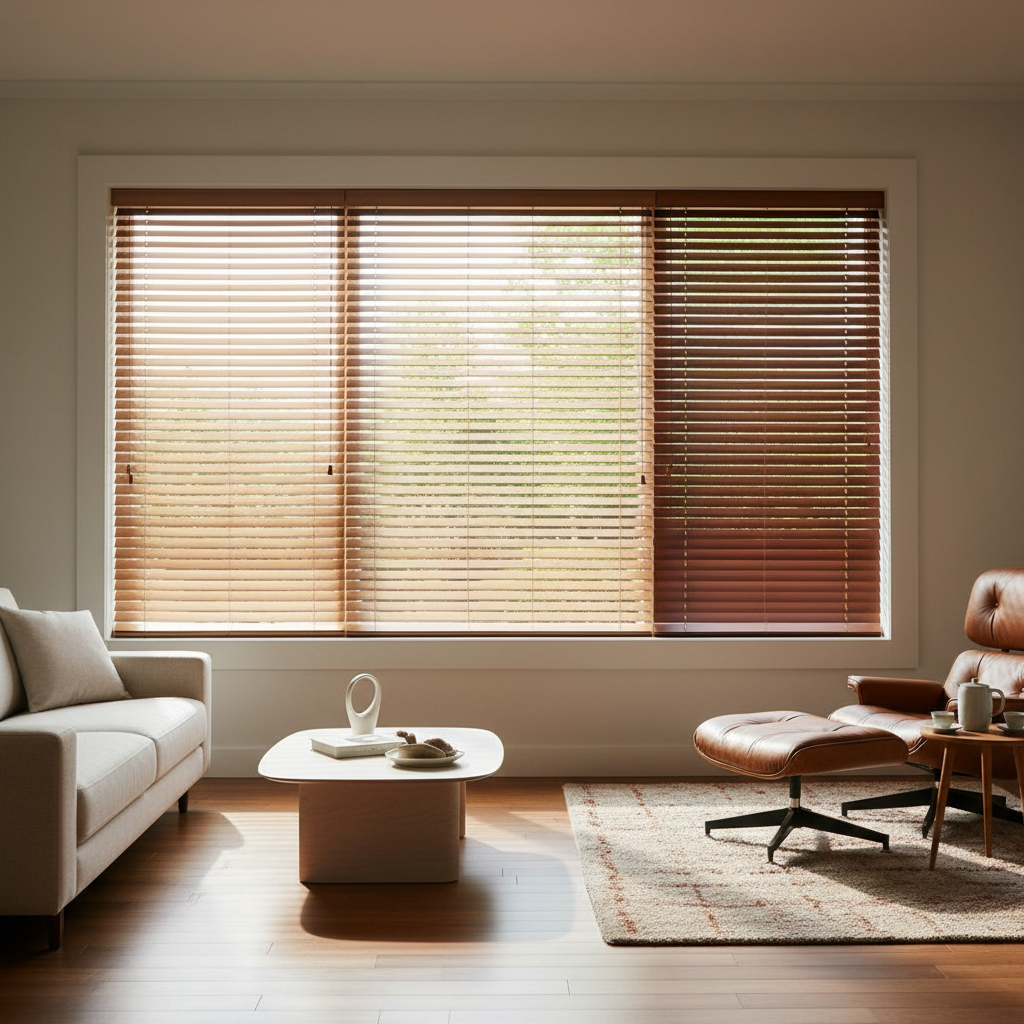
Another important aspect is the finish of the wood. A darker finish can absorb more light, adding warmth, while lighter finishes tend to reflect light, brightening up a space.
**Tip:** Consider your room's orientation; north-facing rooms benefit from lighter shades, while south-facing rooms may do well with darker tones for enhanced light control.
2025 Top 10 Wood Blinds: Style and Functionality Comparison
Comparative Analysis: Real Wood vs. Faux Wood Blinds in Performance
When considering wood blinds for your home, it's essential to evaluate the differences between real wood and faux wood options in terms of performance. Real wood blinds are often favored for their natural beauty and elegant appearance, providing a warm and luxurious ambiance. They are excellent insulators, helping to regulate indoor temperatures and reduce energy costs. However, real wood is susceptible to warping and fading when exposed to moisture or direct sunlight, making them less suitable for certain environments, such as bathrooms or kitchens.
On the other hand, faux wood blinds offer a practical alternative. Made from composite materials or vinyl, they replicate the look of real wood while being more resistant to moisture and UV rays. This durability is particularly advantageous in high-humidity areas, where faux wood blinds maintain their appearance and functionality over time. Additionally, they often come at a lower price point, making them an appealing choice for budget-conscious consumers. In terms of maintenance, faux wood blinds are easier to clean and maintain, as they can be wiped down without the fear of damaging the material. Overall, the choice between real and faux wood blinds primarily hinges on specific needs regarding aesthetics, environment, and budget constraints.
Expert Recommendations for Customizing Your Wood Blinds Design
When it comes to customizing your wood blinds design, several considerations can greatly enhance both the style and functionality of your space. Start by choosing the right slat size. Wider slats not only allow more light and provide a modern look, but they also create a sense of spaciousness. Conversely, narrower slats offer a classic aesthetic, making them perfect for traditional interiors.
Tips: Consider blending different materials or finishes to add depth to your blinds. For instance, pairing natural wood with painted finishes can create a unique, personalized look that complements your room's color scheme.
Another crucial aspect is selecting the right operating system for your wood blinds. Traditional cord systems may offer a timeless feel, while modern motorized options provide convenience and ease of use. Think about how frequently you'll adjust your blinds. For large windows or hard-to-reach places, remote control or smart home integration might be the best choice for functionality.
Tips: Don't forget to explore different color options and stains that highlight the natural grain of the wood. Selecting a stain that matches or contrasts with your existing furniture can transform the overall ambiance of your room.