2026 Best Horizontal Blinds for Global Buyers What to Choose?
When choosing the perfect horizontal blinds for your space, the options can be overwhelming. The right blinds can enhance the aesthetics of your home while providing essential light control and privacy. Many buyers seek horizontal blinds that harmonize with various interior designs and practical needs.
Factors like material, style, and measurement are crucial when making your selection. Blinds made from wood, faux wood, or fabric each have their unique pros and cons. Understanding these differences can guide you in choosing blinds that will last for years. While it is tempting to opt for the cheapest option, consider long-term value and quality.
Researching established brands can help ensure reliability and satisfaction. However, not every product on the market meets the same standards. User reviews can provide insight but also present conflicting opinions. Be cautious of trends that may not align with your specific requirements. It becomes important to filter out what truly matters to you in this process. Choosing horizontal blinds is a blend of personal taste and practical consideration.
Top Features to Look for in Horizontal Blinds for Global Markets
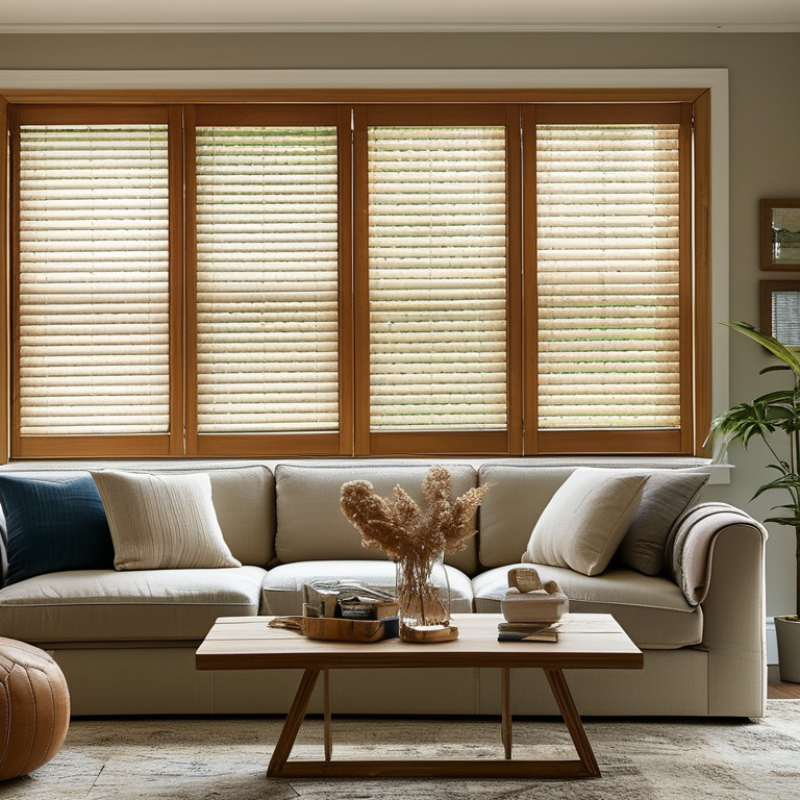
When selecting horizontal blinds for global markets, understanding key features is essential. One major consideration is material durability. Reports indicate that aluminum blinds account for over 40% of the market share due to their resistance to humidity and ease of maintenance. In contrast, wood blinds offer aesthetic appeal but may not withstand moisture as well. Always assess the environment where the blinds will be installed.
Another vital feature is light control. Consumers often prefer blinds with multiple slat sizes. They allow better light regulation and provide options for privacy too. Research from industry experts suggests that buyers increasingly prioritize energy efficiency. Blinds with thermal insulation can help reduce energy costs, appealing to eco-conscious markets.
Tip: Check for certifications on energy efficiency when shopping.
Quality of the lift mechanism is crucial as well. A smooth mechanism enhances user experience, while cheap alternatives may lead to frustration over time. Brands often neglect this aspect, impacting customer satisfaction. If possible, test the operation of the blinds before purchase.
Tip: Always read customer reviews for insights on durability and usability.
Material Options for Horizontal Blinds: Pros and Cons
When selecting horizontal blinds, the choice of material is crucial. Common options include wood, faux wood, aluminum, and fabric. Each of these materials has unique pros and cons that can impact durability, aesthetics, and price.
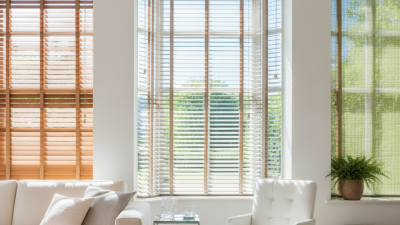
Wood blinds offer a classic look and warmth. They are sturdy and can be customized easily. However, they might warp in humid conditions. Faux wood is a cost-effective alternative, providing similar aesthetics without moisture issues. A report by the Window Covering Manufacturers Association indicates that faux wood blinds have gained popularity due to their resilience and low maintenance.
Aluminum blinds are lightweight and budget-friendly. They come in various colors and styles but can bend easily. Fabric blinds provide a soft, elegant touch but can be less durable. A recent industry study found that around 30% of consumers prefer fabric options for bedrooms due to their ability to control light effectively.
Tips for choosing the right material include considering your home's humidity levels. For humid areas, faux wood is ideal. Think about how much light control you need, as this can influence your material choice. Lastly, your budget is a significant factor; seek materials that fit your financial constraints while providing the desired quality.
Comparative Analysis: Popular Brands of Horizontal Blinds
When selecting horizontal blinds, various brands offer distinct features. Some brands focus on affordability while others emphasize durability. Buyers often find themselves weighing these factors against their budget. Popular choices include aluminum, wood, and faux wood materials. Each type has its characteristics.
Aluminum blinds are lightweight and easy to maintain. They are ideal for modern spaces needing a sleek look.
Wood blinds offer warmth and texture but require more care. They provide better insulation, creating a cozy environment. Faux wood blends aesthetic appeal and practicality, making it a favored option. However, it's crucial to assess the room's humidity levels. Mistakes in choosing material can lead to issues later.
Reviews often point to ease of installation as a valued trait. Many users appreciate products that come with clear instructions. The widths and colors available can diversify choices for various windows. Reflecting on personal style can help overcome indecision. Ultimately, making an informed choice about horizontal blinds can enhance your living space significantly.
Installation and Maintenance Tips for Lasting Performance
When it comes to horizontal blinds, proper installation and maintenance are crucial for their lasting performance. Start by measuring your window accurately. Miscalculations can lead to ill-fitting blinds, causing issues later on. Use a level for precise alignment during installation. A single error in leveling can affect the entire appearance of your blinds.
Regular cleaning is essential for maintaining horizontal blinds. Dust and dirt can accumulate quickly, affecting their functionality. Use a microfiber cloth or a duster for gentle cleaning. For deeper cleaning, consider using a damp cloth with mild detergent. However, be cautious; excessive moisture can damage some materials.
Additionally, check the mechanisms regularly. Worn-out cords or components can hinder operation. It's best to address these issues early to avoid more significant problems. If you notice any unusual sounds during operation, inspect for blockages or misaligned parts. This proactive approach helps in extending the life of your blinds.
Price Range and Budget Considerations for Purchasing Horizontal Blinds
When considering horizontal blinds, budget plays a crucial role. The price range can vary significantly based on materials and features. Basic aluminum blinds can cost between $20 to $50 per window. In contrast, high-end wooden or faux wood options may range from $100 to $300. It’s essential to gauge your needs against your budget. Choosing blinds that fit well within your financial plan will prevent overspending.
According to industry reports from sources such as Market Research Future, consumers are expected to invest more in energy-efficient blinds. This investment can lead to long-term savings on energy bills. Furthermore, the durability of your blinds is another factor to consider. Cheaper options might wear out quickly, leading to additional costs. Many buyers overlook this, leading to regret in the long term.
Additionally, the style and functionality of the blinds can influence the price. For example, automated or smart blinds come with advanced features but typically start at higher price points. Consumers often need to weigh these features against their actual needs and financial limitations. A careful assessment of what you truly require is critical. In the end, balancing cost and quality is essential for making a wise purchase.
2026 Best Horizontal Blinds Price Range