2026 Top Trends in Motorized Shades for Home Automation
As we look ahead to 2026, the integration of motorized shades into home automation systems continues to gain momentum. According to a recent report by MarketsandMarkets, the global smart window covering market is projected to reach USD 5.7 billion by 2026, highlighting the growing demand for technology-driven home solutions. Experts like Susan Lee, a leading figure in home automation, assert, “Motorized shades are not just a trend; they are becoming a necessity for modern living.”
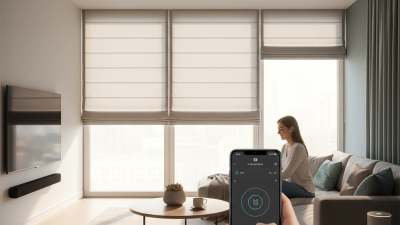
The appeal of motorized shades goes beyond convenience. They offer energy efficiency by regulating indoor temperatures and reducing energy bills. Additionally, users can control privacy and lighting with a simple voice command or mobile app. Research indicates that homes equipped with smart window treatments see a 25% reduction in cooling costs. However, despite their benefits, not every consumer is aware of these innovations.
Some potential buyers hesitate due to misconceptions about cost and complexity. Lee emphasizes that education and awareness are crucial. “Many don’t realize motorized shades can be affordable and easy to install.” Moving forward, addressing these concerns will be vital for the industry’s growth and acceptance among homeowners. Thus, as 2026 approaches, the focus remains not only on innovation but also on consumer understanding and accessibility.
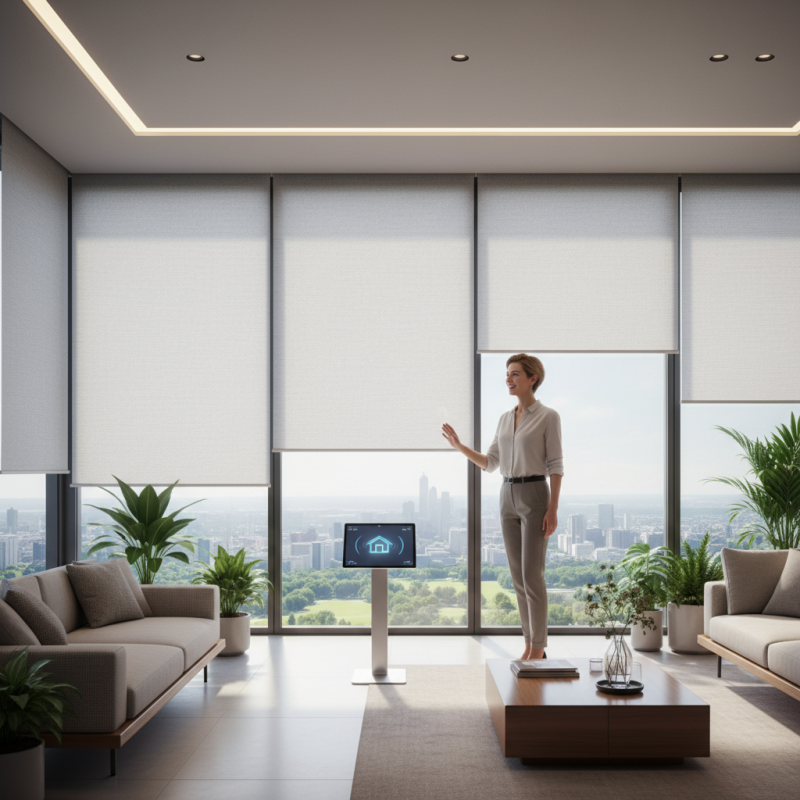
Emerging Technologies in Motorized Shades for Home Automation
The emerging technologies in motorized shades are revolutionizing home automation. In 2026, a report indicated that the smart shading market is expected to grow by over 20% annually. This growth is driven by developments in IoT, machine learning, and energy efficiency.
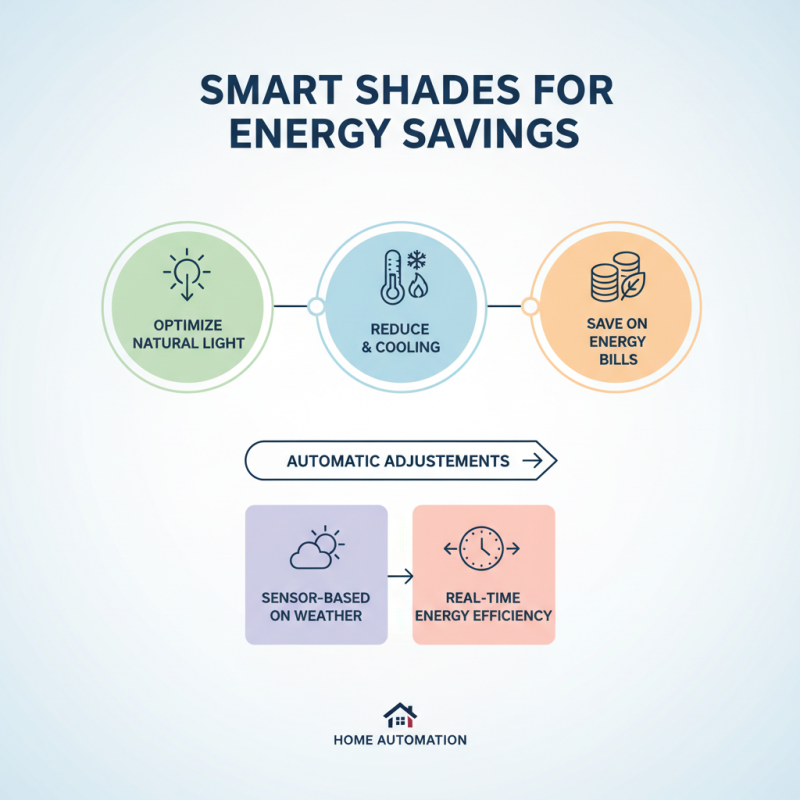
One notable trend is the integration of voice command systems. Users can now control shades using smart assistants. This feature enhances convenience and accessibility, making it an attractive option for many homeowners. Sensors that detect sunlight and adjust shades automatically are also gaining traction. Studies show that homes with smart shading can save up to 30% on energy bills.
Tips: When choosing motorized shades, consider models with energy-efficient fabrics. They not only enhance comfort but also provide insulation. Regular maintenance is essential for longevity. Dust and check connections to maintain performance. Remember, technology should simplify life, not complicate it.
As the technology evolves, certain challenges remain. Connectivity issues may arise, causing shades to malfunction at crucial moments. The complexity of advanced systems can intimidate some users. Keeping up with updates can be cumbersome as well. Nonetheless, embracing these technologies can lead to a smarter, more efficient home environment.
2026 Top Trends in Motorized Shades for Home Automation
This chart illustrates the top trends in motorized shades for home automation in 2026, highlighting their popularity percentages. The focus is on smart integration and energy efficiency as the leading trends in the market.
Integration of Smart Home Systems with Motorized Shades
In 2026, the integration of smart home systems with motorized shades is set to redefine home automation. Homeowners increasingly seek seamless control over their environment. According to a recent industry report, the smart home market is projected to reach $151 billion by 2030, highlighting a growing interest in automation solutions. Motorized shades are becoming essential in this trend, providing convenience and energy efficiency.
With smart home devices, motorized shades can respond to real-time conditions. For instance, shades can close automatically on hot days, reducing cooling costs. When linked to light sensors, they adjust based on sunlight. This not only enhances comfort but also improves energy consumption. Homeowners can program these shades through apps or voice commands, making lifestyle management simpler.
Tip: When considering motorized shades, ensure compatibility with your smart home system. Check for connectivity options like Wi-Fi or Z-Wave.
However, there can be challenges. Installation may require professional help, adding to the cost. Additionally, some systems may frustrate users with complicated app interfaces. It’s wise to explore different options and read user reviews before committing to a purchase.
Tip: Try out demo versions of apps to find what feels intuitive and user-friendly.
User-Centric Design: Customization Features in Motorized Shades
The rising trend of user-centric design in motorized shades has transformed home automation. Homeowners today demand customization features tailored to their specific needs. A recent report from the Home Automation Research Institute indicates that 70% of consumers express a desire for shades that adapt to their daily routines.
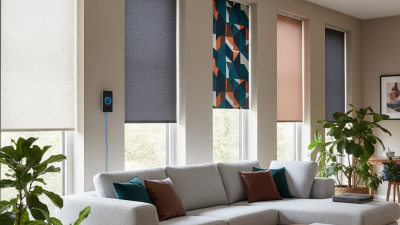
Customization goes beyond color and fabric selections. Many users seek shades that integrate with their smart home systems. For instance, programmable schedules and sensor-based adjustments enhance convenience and energy efficiency. However, some find the variety of options overwhelming. Choosing the right features requires careful consideration of lifestyle needs.
While customization is appealing, it can also lead to decision fatigue. Balancing aesthetic preferences with functional demands creates challenges for consumers. Reports indicate that 30% of homeowners regret their shade selections after installation. Striking the right note between form and function is essential for satisfaction in home automation.
Sustainability Practices in Manufacturing Motorized Shades for Homes
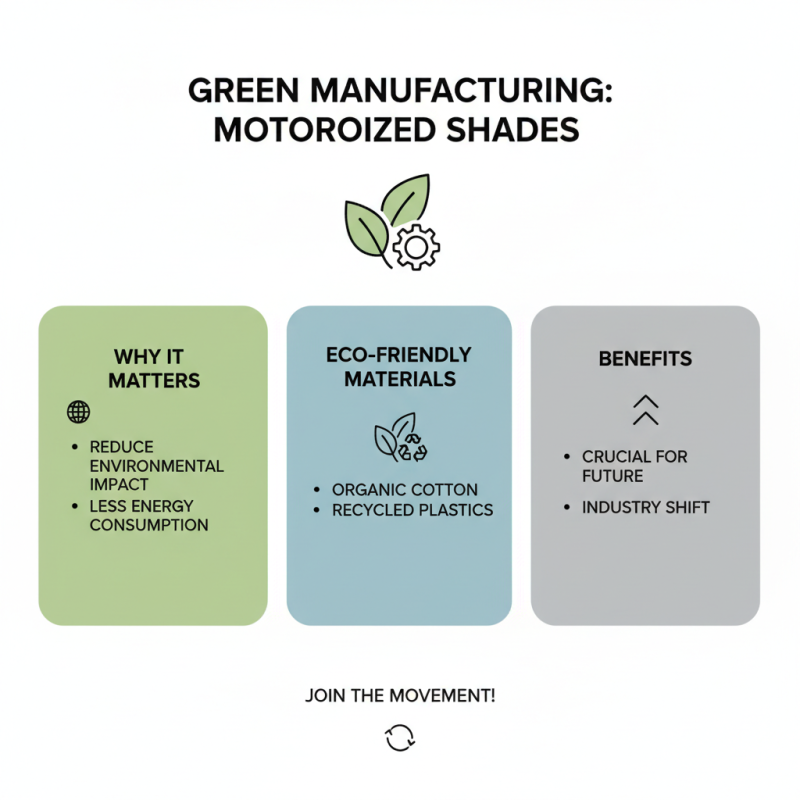
Sustainability in manufacturing motorized shades is becoming crucial. Many companies are exploring eco-friendly materials. This shift helps reduce environmental impacts. For instance, organic cotton and recycled plastics are gaining traction. These materials require less energy during production, which is a significant plus.
Energy-efficient production methods are also on the rise. Factories are now utilizing renewable energy sources. Solar panels and wind energy are becoming more common. However, challenges remain. Not all manufacturers have access to sustainable technology. Some continue traditional methods, which can be harmful. This inconsistency raises questions about industry standards and practices.
Moreover, consumers play a critical role in this transition. Many are becoming more conscientious about their choices. They seek shades that are not only stylish but also environmentally friendly. Awareness campaigns are essential in educating buyers. Yet, sometimes, marketing can exaggerate sustainability claims. Transparency in sourcing is vital. Customers need clear details about the materials used.