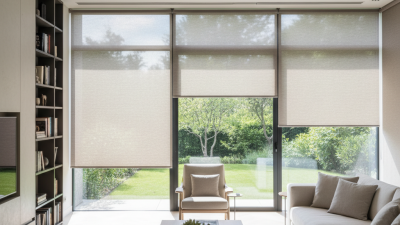
What Are Automatic Blinds for Windows and How Do They Work?
In recent years, automatic blinds for windows have gained significant popularity. They offer convenience and efficiency for homeowners and businesses alike. A report from the National Home Improvement Association indicates that more than 30% of homeowners are considering smart window solutions. This figure reflects a growing trend towards automation in daily life.
Automatic blinds enhance energy efficiency by regulating indoor temperature. According to the U.S. Department of Energy, properly using window coverings can reduce energy costs by up to 30%. Yet, many people still hesitate to invest in these systems. They might worry about installation or potential malfunctions. There's a learning curve involved in fully utilizing these technologies.
Despite these concerns, the benefits are tangible. For instance, automatic blinds can be programmed to adjust with the sun's movement, ensuring optimal light throughout the day. This feature is appealing, yet it can lead to over-reliance on technology. Users often overlook manual control options. Therefore, it is crucial to balance the use of automatic systems with traditional methods.
What Are Automatic Blinds for Windows?
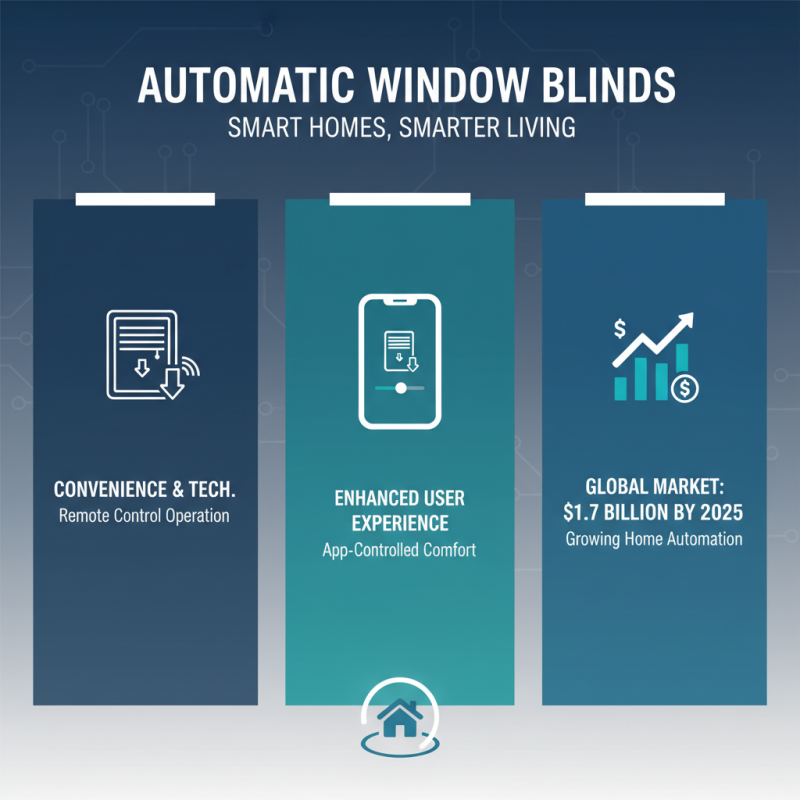
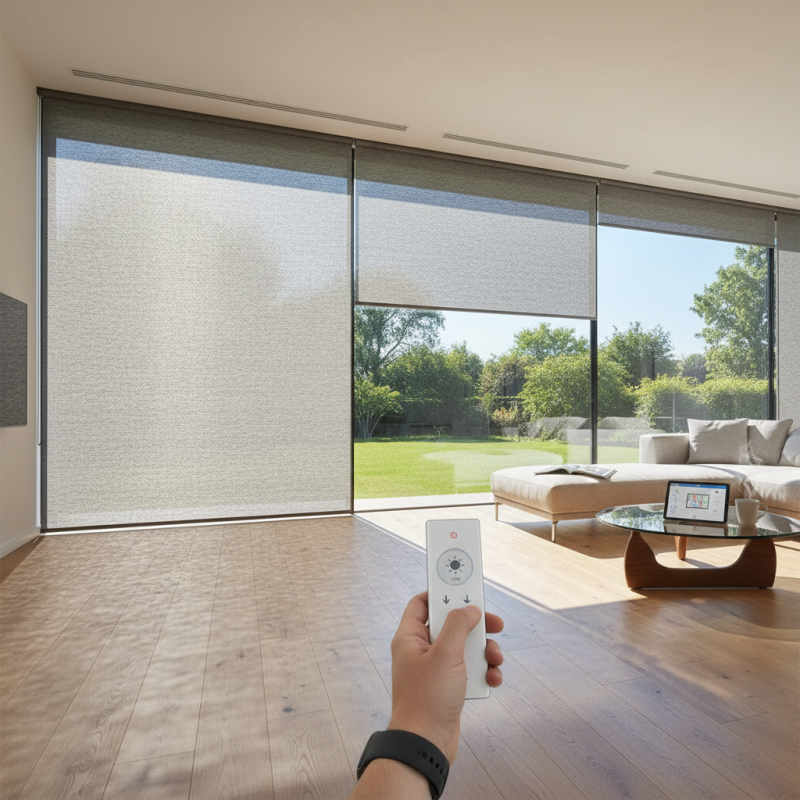
Automatic blinds for windows are innovative solutions that combine convenience and technology. These smart window coverings can be controlled remotely, enhancing user experience. According to a recent market report, the global market for smart window coverings is projected to reach $1.7 billion by 2025, reflecting a growing interest in home automation.
These blinds operate using a simple mechanism. Most utilize electric motors or pulleys, allowing users to open or close them via a smartphone app or voice commands. For example, when it's sunny, they can automatically close to prevent heat build-up. This feature can save energy and increase comfort in homes. However, the installation process can be complex, requiring professionals to ensure a seamless fit. Many users find this aspect challenging.
Despite their advantages, there are potential drawbacks. Some consumers report technical difficulties or connectivity issues with their systems. These problems can lead to frustration. Also, the initial investment can be significant, and some may question if the convenience outweighs the cost. User satisfaction varies, highlighting the need for thorough research before purchasing. Exploring various options and reading reviews can help avoid disappointment.
The Different Types of Automatic Blinds Available
Automatic blinds for windows offer convenience and modern aesthetics. They come in various types, catering to different needs and preferences. Motorized blinds are the most common type. They use a small motor to open or close the slats. Smart blinds integrate with home automation systems. They can be controlled via apps or voice commands. This adds a layer of ease and functionality.
Another type includes solar-powered blinds. They harness sunlight to operate without electricity. According to industry reports, around 30% of homeowners are interested in energy-efficient solutions. These blinds help save on energy bills. Additionally, there are blackout blinds, ideal for bedrooms or media rooms. They block nearly all light and are perfect for sleeping or movie nights.
When choosing automatic blinds, consider the room's purpose. Measure your windows accurately to ensure a perfect fit. Explore different fabrics and colors to enhance your decor. Remember, installation complexity can vary. Some systems are designed for easy DIY installation, while others may require professional help. Investing in quality blinds can significantly affect your home's ambiance.
What Are Automatic Blinds for Windows and How Do They Work?
| Type of Automatic Blind |
Operating Mechanism |
Control Options |
Benefits |
| Roller Blinds |
Motorized roller mechanism |
Remote control, smartphone app |
Space-saving, easy to clean |
| Vertical Blinds |
Track and chain motor system |
Remote control, wall switch |
Adjustable light control, sleek design |
| Cellular Shades |
Cordless lift with motorization |
Voice control, mobile app |
Energy-efficient, excellent insulation |
| Pleated Shades |
Motorized lifting system |
Remote control, integrated smart home system |
Stylish appearance, versatile light filtering |
| Smart Blinds |
IoT-enabled motor system |
Wi-Fi app, voice assistant integration |
Convenient, customizable schedules |
How Do Automatic Blinds Work?
Automatic blinds for windows are innovative solutions that blend convenience with modern technology. These blinds can adjust based on sunlight, temperature, or timer settings. They operate with a simple push of a button or through smart home integration. This means you can control them remotely, enhancing both privacy and energy efficiency.
How do automatic blinds work? They usually rely on motors powered by batteries or direct electrical sources. Sensors detect light levels and adjust the blinds accordingly. Many models also feature timers, automatically opening or closing at specified times. This feature is particularly useful for maintaining comfort throughout the day without constant adjustments.
**Tips:** Consider placing your automatic blinds in areas that receive direct sunlight. They can help reduce indoor heat during summer. Regular maintenance is crucial; dust can accumulate quickly on both blinds and sensors. Check the battery levels periodically to ensure smooth operation. Don't hesitate to experiment with different settings until you find what suits your lifestyle.
Key Benefits of Using Automatic Blinds
Automatic blinds are becoming popular in modern homes. They offer convenience and style, making life easier. According to a 2023 report by the Window Covering Manufacturers Association, 60% of homeowners prefer automated solutions for their window treatments. This shift is partly due to the increasing emphasis on smart home technologies.
One of the key benefits of automatic blinds is energy efficiency. These blinds can adjust based on the time of day. For example, they can open to let warmth in during winter mornings, and close during the hottest part of the day in summer. A study by the U.S. Department of Energy found that proper window shading can reduce cooling costs by up to 30%. This number shows how significant these products can be for saving money while improving comfort.
Additionally, automatic blinds enhance privacy and security. With programmable settings, homeowners can control their blinds remotely. Even when away, users can make it look like someone is home. However, not all systems are perfect. Some may face connectivity issues or might not integrate well with existing smart home systems. This can lead to frustration and requires careful consideration when choosing a solution.
Installation and Maintenance of Automatic Blinds
Automatic blinds offer convenience and energy efficiency, but proper installation and maintenance are crucial. A recent industry report indicated that automated window treatments can reduce energy costs by up to 30%, showcasing their effectiveness. However, if not installed correctly, these blinds can malfunction or not operate as intended, leading to frustration.
Installation involves measuring the windows accurately. Many can be DIY projects, but sometimes professional help is necessary. It can be beneficial to hire an expert, especially in complex setups. Ensuring that the power source is appropriately installed is vital; a mistake can lead to electrical issues. According to a 2022 survey, 25% of users experienced issues due to incorrect installation.
Once installed, maintenance is straightforward but essential. Dusting the blinds every few weeks can prevent buildup. Regularly checking the mechanisms helps catch potential problems early. Some users reported that sensors can become less effective over time if not maintained. A good rule of thumb is to inspect the system quarterly and keep the sensors clean. This proactive approach can enhance the longevity and performance of automatic blinds.