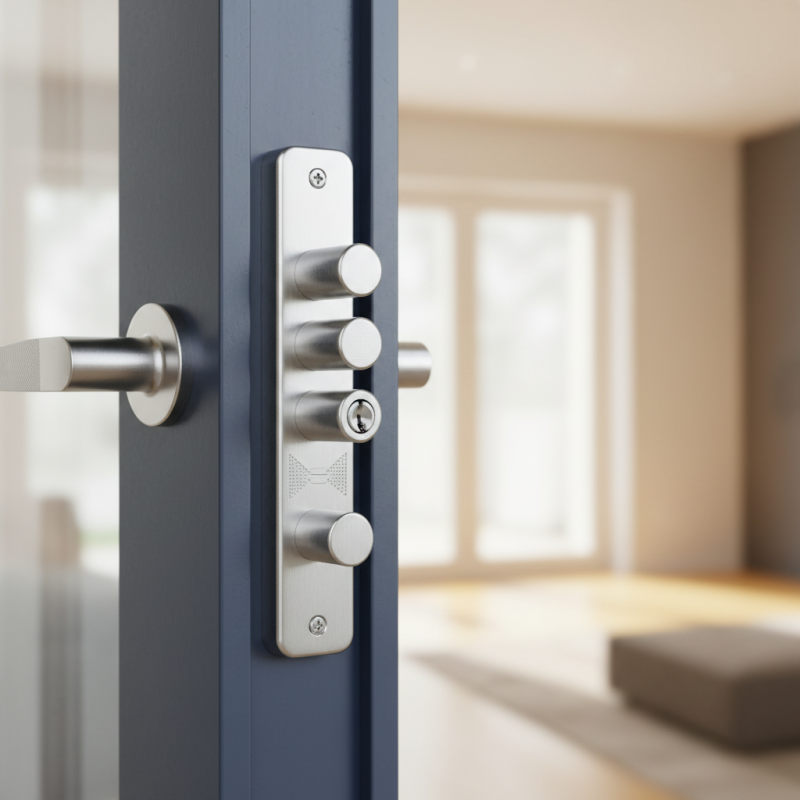
What is the Best Aluminum Door Lock for Security?
When it comes to home security, choosing the right Aluminum Door Lock is crucial. Many homeowners overlook the importance of a sturdy lock. An effective lock can deter potential intruders and provide peace of mind. However, not all Aluminum Door Locks are created equal.
There are various factors to consider. The material and design play a significant role in strength and durability. Look for options with high-security ratings. Certain locks offer features like anti-drill or bump-resistant designs, which can enhance security. It's essential to be informed about these features before making a decision.
Some may find it challenging to select the best option. Reviews and ratings can be helpful, yet personal experience is vital. Evaluate your specific needs and vulnerabilities. Remember, security is not merely about having a lock; it’s about ensuring that lock is reliable and effective.
Understanding the Importance of Security in Aluminum Door Locks
When considering aluminum door locks, security is paramount. Aluminum doors are often chosen for their lightweight properties and aesthetic appeal. Yet, without a robust locking mechanism, these doors can become vulnerable. Studies show that over 34% of burglars enter through the front door, often exploiting weak locks. This statistic highlights the critical need for secure locking systems.
Selecting the right aluminum door lock involves understanding various security ratings. For instance, look for locks with ANSI Grade 1 or Grade 2 ratings. These locks have undergone rigorous testing, ensuring they can withstand substantial force. Many manufacturers provide detailed specifications that include features such as pick resistance and durability. Ignoring these specifications can leave your entryways at risk.
Tip: Regular maintenance can enhance the longevity and reliability of your locks. Clean the locking mechanism to avoid wear and tear over time. Consider upgrading to smart locks, which offer advanced security features, such as remote monitoring. However, remember that reliance on technology alone can be risky; physical locks still play a crucial role in comprehensive security measures.
Security Ratings of Aluminum Door Locks
This chart represents the security ratings of various aluminum door lock types, illustrating the effectiveness of different locking mechanisms.
Key Features to Consider in a High-Security Aluminum Door Lock
When selecting an aluminum door lock, security is paramount. Start by examining the lock's construction. A high-quality aluminum door lock should feature solid metal components. Look for locks that incorporate hardened steel parts. These materials increase resistance against tampering and physical attacks.
Another essential aspect is the locking mechanism. Deadbolts offer superior security compared to standard spring bolt locks. Consider locks that offer multiple locking points. This type distributes force more evenly, making it harder to break. Also, pay attention to the keyway design. A complex keyway can deter would-be intruders from using lock-picking methods.
While aesthetics can be appealing, functionality should always prevail. Check for weather resistance features, especially if your door is exposed to the elements. Locks with corrosion-resistant finishes will endure better over time. Finally, remember that even the best lock is ineffective if not installed properly. Poor installation can compromise even the highest-rated locks. Reflect on your needs carefully before choosing, as security is not just about the lock itself.
Top Brands Known for Durable and Secure Aluminum Door Locks
When it comes to aluminum door locks, security is a top priority. Several brands distinguish themselves for their durability and effectiveness. These brands offer locks that withstand harsh conditions and resist tampering. Their lock systems include advanced features such as anti-drill plates and robust mechanisms that ensure security.
Choosing the right lock can be challenging. Look for certifications indicating high security. A well-rated lock guarantees safety for your home. Regularly inspect your locks for wear and tear. A little maintenance can go a long way in preserving their function.
Consider the installation process as well. Hiring a professional ensures that your lock operates correctly. Improper installation can create vulnerabilities. Aim for locks with a warranty for added peace of mind. While no lock is completely foolproof, those from reputable brands significantly reduce risks. Strengthen your security by combining quality locks with good practices.
Installation Considerations for Optimal Performance of Lock Systems
When installing aluminum door locks, proper alignment is key. Misalignment can cause the lock to function poorly. Ensure that the lock sits flush against the door. This simple yet vital step can prevent unnecessary wear and tear over time. A correctly aligned lock not only performs better but also enhances security.
Selecting the right tools is essential for installation. Using the wrong drill bit can damage the door or the lock. A quality level helps ensure straight lines in your installation. This attention to detail can also serve as a protective measure. Incorrectly installed locks are more susceptible to forced entry.
After installation, regular maintenance is necessary. Lubricating the lock can prolong its life. Inspecting it periodically for wear allows you to catch issues early. A lock that sticks or does not turn easily may need adjustment. It’s crucial to reflect on these aspects to maintain optimal performance. Each step matters in the overall security of your home.
What is the Best Aluminum Door Lock for Security? - Installation Considerations for Optimal Performance of Lock Systems
| Lock Type | Security Rating | Material | Installation Difficulty | Average Cost ($) |
| Deadbolt Lock | High | Aluminum Alloy | Medium | 80-120 |
| Smart Lock | High | Zinc Alloy | High | 150-300 |
| Lever Handle Lock | Medium | Aluminum | Easy | 60-100 |
| Mortise Lock | Very High | Stainless Steel | High | 120-200 |
| Multipoint Lock | Very High | Aluminum | High | 200-400 |
Comparative Analysis of Aluminum Door Lock Security Ratings
When evaluating aluminum door locks for security, understanding different security ratings is essential. Ratings often assess strength, durability, and resistance to tampering. Higher-rated locks generally offer better protection. However, not all expensive locks deliver top security. Some may lack essential features.
Reliability is crucial. Many locks claim to be secure but fail in real-world tests. Look beyond marketing. Check independent security reports. They reflect actual performance, not just theoretical designs. Also, consider the installation process. A poorly installed lock, regardless of its rating, offers compromised security.
Security needs change based on location and risks. A lock that's ideal for one environment may not suit another. Mailboxes, gates, and entry points have unique vulnerabilities. Assess your specific situations. A lock’s effectiveness can vary significantly. It's vital to adapt to these unique requirements for better security.