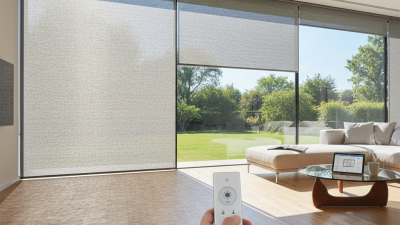
Best Automatic Blinds for Smart Home Solutions?
The rise of smart home technology continues to reshape our living spaces. Among the latest innovations, automatic blinds stand out for their practicality and elegance. According to a report by Markets and Markets, the smart blind market is projected to grow from $1.7 billion in 2020 to $5.5 billion by 2025. This impressive growth indicates that more homeowners are investing in automation for convenience and energy efficiency.
Automatic blinds provide more than just aesthetic value; they offer energy savings and enhanced privacy. Energy Star estimates that up to 30% of a home's heating and cooling energy can be lost through windows. By utilizing automatic blinds, homeowners can minimize energy loss, contributing to a greener lifestyle. However, integrating these systems can be challenging. Proper installation and compatibility with existing smart home setups are crucial for optimal performance.
Choosing the right automatic blinds is essential. With numerous options on the market, it can be daunting to find the perfect fit for your home. Many brands boast advanced features, but not all deliver reliability. It’s crucial to research and compare products before making a decision, ensuring they align with your vision for a smart home.
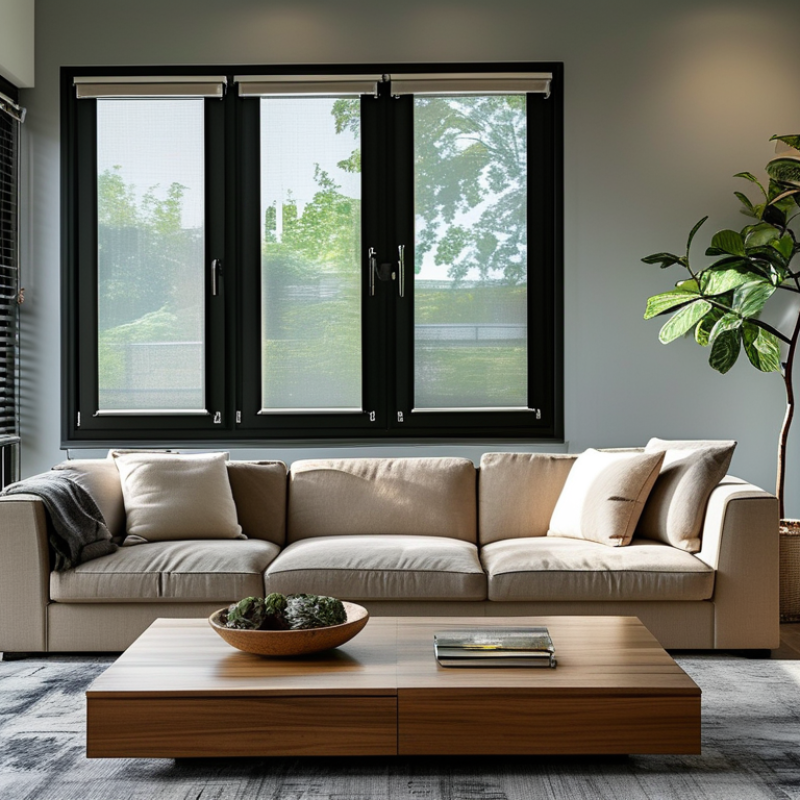
Overview of Automatic Blinds and Their Benefits for Smart Homes
Automatic blinds have become an essential feature in modern smart homes. They not only enhance convenience but also improve energy efficiency. With the ability to control natural light, these blinds can help maintain a comfortable indoor temperature. This is particularly beneficial during scorching summers or chilly winters.
Integrating automatic blinds with smart home systems allows for advanced functionalities. Users can schedule blinds to open or close at specific times. This feature helps reduce energy bills and provides an added layer of privacy. However, some may find the technology overwhelming, and installation can be a puzzle. Despite this, the effort pays off with increased comfort and accessibility.
While automatic blinds offer numerous benefits, they also require maintenance. Dust and dirt can accumulate, affecting their smooth operation. Users need to remember that technology can sometimes falter. Connectivity issues can lead to unexpected behavior. Understanding these potential drawbacks is crucial for a better experience.
Best Automatic Blinds for Smart Home Solutions
| Type of Blinds |
Material |
Control Method |
Energy Efficiency |
Smart Home Compatibility |
| Roller Blinds |
Fabric |
App & Voice Control |
High |
Google Home, Alexa |
| Vertical Blinds |
Vinyl |
Remote Control |
Medium |
IFTTT |
| Cellular Shades |
Honeycomb Fabric |
App Control |
Very High |
Apple HomeKit |
| Roman Blinds |
Fabric |
Voice & App |
Medium |
Google Home, Alexa |
| Smart Blinds |
Smart Fabric |
Voice Control |
Very High |
All Major Platforms |
Types of Automatic Blinds Available for Smart Home Integration
Automatic blinds are becoming a staple in smart home solutions. There are several types available, each with unique features. Motorized roller shades offer a sleek and modern appearance. They can easily integrate with home automation systems and offer functionality like scheduling and remote control.
Another popular type is smart honeycomb shades. They provide excellent insulation, helping to regulate indoor temperatures. These blinds are designed for energy efficiency and can be adjusted via an app. Some models even offer voice control through smart assistants, making them user-friendly.
Vertical blinds are also a common choice. They work well for large windows or sliding doors. While they offer versatility, their movement can sometimes be less smooth compared to roller shades. Homeowners may find that the noise level varies, which can be distracting. Exploring different types ensures a better fit for your lifestyle and specific needs.
Key Features to Consider When Choosing Automatic Blinds
When selecting automatic blinds for smart homes, several key features warrant attention. Smart blinds often need compatibility with home automation systems. According to a report from the Consumer Technology Association, over 50% of smart home devices require integration, making this a vital consideration. Ensure that the blinds can connect with popular platforms. This compatibility enhances convenience and offers flexibility in operation.
Energy efficiency is another crucial factor. Automatic blinds can reduce heating and cooling costs, leading to energy savings. A study by the U.S. Department of Energy shows that well-placed window coverings can reduce energy consumption by up to 25%. Selecting blinds with insulating properties also adds to their effectiveness. Look for shades that can adapt to light levels or temperature changes, providing both comfort and efficiency.
While aesthetics often guide choices, it’s important to reflect on functionality. Some blinds may compromise design for advanced features. Striking a balance can be challenging. Durability is also essential; proper materials ensure longevity despite frequent use. Opting for quality products can prevent premature failures, which is a common concern among consumers. Remember to evaluate warranties and customer reviews to gauge reliability effectively.
Top Brands and Models of Automatic Blinds for Smart Homes
When looking for the best automatic blinds for your smart home, consider key features that enhance functionality and comfort. Smart blinds should easily integrate with existing home automation systems. Many models allow for voice control, enabling effortless management of natural light. A variety of materials, colors, and styles ensures that these blinds fit seamlessly into any interior design.
Popular options include roller blinds and cellular shades. These choices offer improved insulation and light control. Some automatic blinds even come with sensors that adjust based on sunlight or time of day. However, installation can sometimes present challenges. It’s crucial to measure your windows accurately and consider the installation process beforehand.
User feedback often highlights the importance of reliability and ease of use. Occasionally, customers report issues with connectivity or app functionality. Taking time to read reviews can provide valuable insights into the performance of different models. Choosing the right automatic blinds involves balancing aesthetics with practical considerations, ensuring your decision enhances your smart home experience.
Installation and Maintenance Tips for Automatic Blinds
Automatic blinds can enhance your smart home experience. However, proper installation and maintenance are crucial. Recent studies show that over 30% of automatic blind failures stem from poor installation. Many homeowners overlook alignment and leveling. Ensure the brackets are straight and secure. Misalignment can cause the blinds to malfunction.
Routine maintenance is vital for longevity. Dust and debris can accumulate on the mechanisms, affecting performance. It is recommended to clean the blinds every few months. Use a soft cloth or vacuum with a brush attachment. Additionally, check the power sources regularly. Batteries should be replaced at least once a year. Neglecting these tasks can lead to operational issues.
Purchasing quality materials can make a difference. Research indicates that blinds with high-grade components last significantly longer. Nevertheless, even the best products require attention. Scheduling regular checks can identify wear and tear before it escalates. Staying proactive helps avoid costly repairs and replacements down the line.
Best Automatic Blinds Features Comparison