Best Automatic Blinds for Windows in 2026 Are They Worth It?
In 2026, automatic blinds for windows have become a popular choice for modern homes. These innovative window treatments offer convenience and style. Homeowners appreciate the ability to control light and privacy effortlessly. However, the question remains: Are they truly worth the investment?
The technology behind automatic blinds is impressive. Many models allow for remote control and smart home integration. Users can adjust settings with just a tap on their smartphones. This level of convenience, however, raises concerns about reliability. Some people may find that maintenance is more challenging than anticipated. The potential for malfunction can be frustrating.
Moreover, while automatic blinds for windows can enhance a room's aesthetics, their cost may deter some buyers. It is essential to weigh the benefits against the price tag. They can save energy by regulating indoor temperature, yet, not everyone may see significant savings. In the evaluation of these products, careful consideration of individual needs and budget is crucial.

Overview of Automatic Blinds: Definition and Functionality
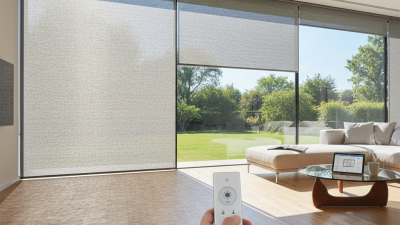
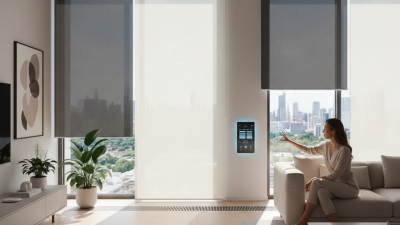
Automatic blinds have become increasingly popular for modern homes. They offer convenience and enhance the overall aesthetic of living spaces. But what exactly are automatic blinds? In simple terms, they are window treatments that can be adjusted without manual effort. Often operated by remote control, smartphone apps, or home automation systems, they provide an easy solution to managing light and privacy.
The functionality of automatic blinds goes beyond mere convenience. They are designed to respond to sunlight, allowing for automatic adjustments throughout the day. This feature not only helps maintain a comfortable indoor temperature but can also enhance energy efficiency. However, some users may find the technology complicated or unreliable at times. Occasional connectivity issues could hinder performance, leading to confusion or inconvenience.
Moreover, installation and maintenance can be challenging for some. Homeowners should be prepared for potential difficulties. While most models are user-friendly, understanding the various setup options may require additional guidance. Balancing technological benefits with the potential learning curve is vital when considering automatic blinds for your windows.
Key Features to Look for in Automatic Blinds
When choosing automatic blinds for windows, several key features are essential to consider. The integration of smart technology is crucial. Reports indicate that over 65% of consumers prefer blinds that can connect to home automation systems. This connectivity allows users to adjust lighting based on specific scenarios. For example, blinds can be programmed to open at sunrise and close during peak sunlight hours. Such functionality adds convenience and enhances energy efficiency.
Another important aspect is the energy-saving potential of automatic blinds. Research shows that properly utilized blinds can reduce energy costs by up to 25%. The ability to control sunlight can lead to a significant decrease in heating and cooling expenses. However, the effectiveness relies on the quality of sensors and automation mechanisms. Some homeowners report issues with responsiveness due to poor sensor calibration, highlighting a need for meticulous installation.
User-friendliness is another critical consideration. Easy-to-use interfaces and remote control options enhance the experience. A survey found that 70% of users value a straightforward operating system over excessive features. However, some consumers find initial setup complicated. This leaves room for improvement in design and installation instructions. In summary, while automatic blinds offer numerous advantages, choosing the right set requires careful evaluation of these features.
Best Automatic Blinds for Windows in 2026
This bar chart displays key features to look for in automatic blinds, such as energy efficiency, ease of installation, smart home connectivity, and price. The ratings are based on user reviews and expert recommendations.
Benefits of Installing Automatic Blinds for Windows
Automatic blinds are gaining popularity among homeowners for their convenience and energy efficiency. Studies indicate that homes with automated window treatments can significantly reduce energy costs by up to 30%, according to the U.S. Department of Energy. By adjusting automatically based on sunlight, these blinds can help maintain a consistent indoor temperature. Energy-efficient features make them a worthwhile investment for the long term.
Beyond energy savings, automatic blinds enhance comfort and privacy. They can be programmed to open or close at specific times, allowing homeowners to enjoy the sunlight in the morning while keeping their living spaces private. A recent survey revealed that 65% of users noted increased satisfaction with their home's comfort level after installation.
Tip: When choosing automatic blinds, consider your home’s design and the amount of natural light each room receives. It is essential to select a system that blends seamlessly with your decor. Also, remember to maintain them regularly for optimal performance. Regular cleaning can prolong their lifespan and efficiency.
Best Automatic Blinds for Windows in 2026 - Benefits of Installing Automatic Blinds for Windows
| Feature |
Description |
Benefits |
| Energy Efficiency |
Automatic blinds can adjust based on the time of day to regulate indoor temperature. |
Reduces heating and cooling costs. |
| Smart Home Integration |
Many automatic blinds can connect to smart home systems for remote control. |
Increased convenience and control over your home environment. |
| Privacy Control |
Blinds can be programmed to lower when needed for privacy. |
Enhanced privacy without manual effort. |
| Light Regulation |
Blinds can adjust to optimize natural light throughout the day. |
Improves comfort and reduces glare on screens. |
| Child Safety |
No cords or chains reduce the risk of accidents. |
Safer environment for children and pets. |
| Customization Options |
Various materials, colors, and styles are available. |
Allows for personalized decor that matches your home. |
Cost Analysis: Are Automatic Blinds Worth the Investment?
Automatic blinds are becoming increasingly popular among homeowners. They provide convenience and aesthetic appeal. However, potential buyers often wonder if the investment is truly worthwhile. A recent industry report reveals that the average cost of automatic blinds ranges from $200 to $600 per window, depending on the technology and materials used. This upfront cost can seem daunting, especially when traditional blinds are often available for significantly less.
Consider the long-term benefits. A study by the American Society of Interior Designers found that automated window treatments can reduce energy bills by up to 25%. This savings can add up quickly, making the initial investment more justifiable over time. Additionally, automatic blinds offer smart home integration. This feature enhances home security and comforts, allowing homeowners to control their blinds remotely.
Yet, not all automatic blinds are created equal. Some users report technical issues and software glitches. These challenges can lead to frustrations and additional costs for repairs. It's essential to consider these potential drawbacks. Thorough research and consultation with industry professionals can aid in making an informed decision. Ultimately, weighing the costs against the long-term savings and conveniences is crucial for anyone considering this modern home upgrade.
Top Automatic Blinds Models to Consider in 2026
When considering automatic blinds in 2026, a few standout models have gained attention among homeowners and design experts. The latest market research indicates that the smart blind industry is expected to grow by over 25% annually, driven by advancements in smart home technology. Many consumers are opting for blinds that integrate seamlessly with their existing home automation systems, enhancing both comfort and energy efficiency.
Among the available options, models featuring light and temperature sensors have become increasingly popular. These blinds can adjust automatically based on sunlight exposure. This feature not only increases user convenience but also helps in minimizing energy costs. Reports suggest that homes equipped with such intelligent systems can save up to 30% on heating and cooling expenses annually.
However, while automatic blinds offer significant advantages, some issues warrant consideration. Installation can be complex and may require professional help, adding to the overall cost. Additionally, compatibility with different smart home systems may not always be seamless, leading to potential frustrations for users. It’s essential to research thoroughly and weigh both benefits and pitfalls when choosing the right model for your needs.