Best Blackout Blinds for Ultimate Light Control Solutions?
When it comes to ultimate light control solutions, selecting the best blackout blinds can make a significant difference. According to renowned interior designer Jane Thompson, "Choosing the right blackout blinds is crucial for both aesthetics and functionality." Blackout blinds not only enhance a room’s ambiance but also ensure privacy and comfort.
Many people underestimate the importance of light control. A room flooded with sunlight can become uncomfortable quickly. Proper blackout blinds can transform any space into a serene haven. They help regulate temperature and protect furnishings from sun damage.
Yet, not all blackout blinds are created equal. A few options on the market may claim full darkness but fall short. It’s essential to research and choose a reliable product. Consider installation, material quality, and style. Quality blackout blinds should satisfy your need for darkness while being easy to use and maintain.
Types of Blackout Blinds and Their Effectiveness in Light Control
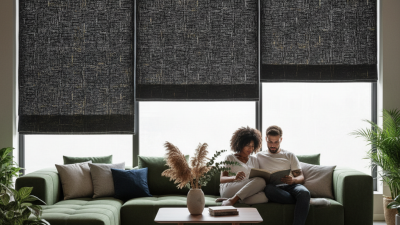
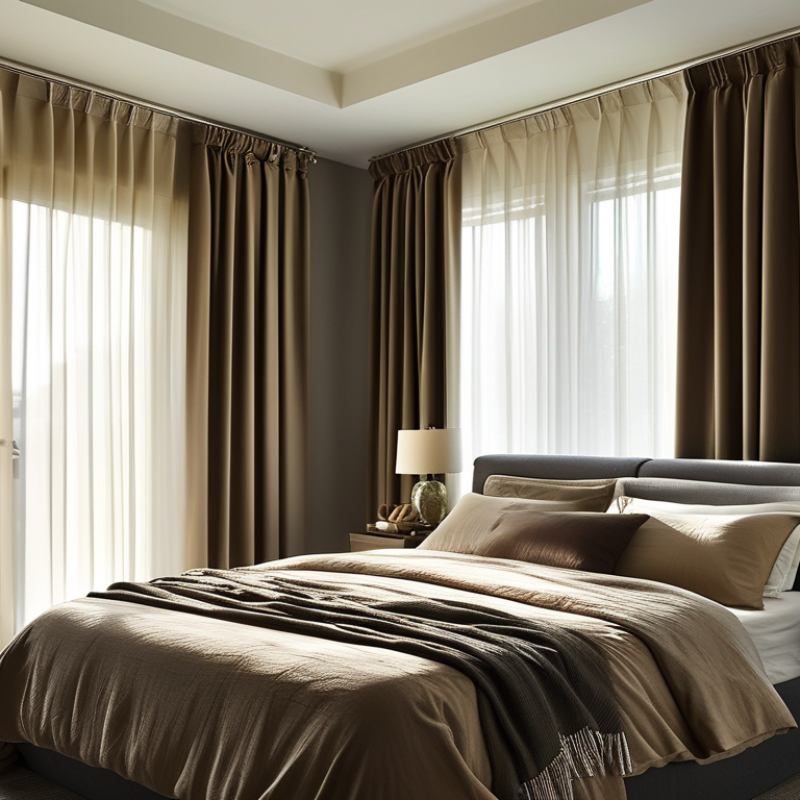
When choosing blackout blinds, understanding the different types is essential. They vary in materials and designs, impacting light control. Fabric blackout blinds are popular for their versatility. They efficiently block sunlight and come in various colors and patterns. However, they may not eliminate all light, especially around the edges.
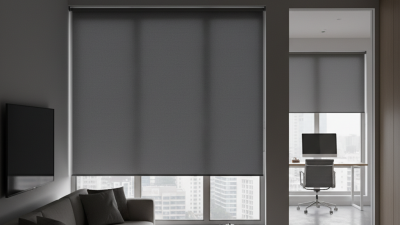
Another option is roller shades, which are effective and easy to install. They can be made of thicker materials for enhanced light blocking. Still, some users report that depending on the room’s size, these shades may not fit perfectly. This can lead to small gaps that allow light in, which might frustrate those seeking total darkness.
Vertical blinds provide another effective solution. They allow for privacy and can be adjusted for light control. Yet, they can be cumbersome to clean. Moreover, they might allow light at the seams. These imperfections highlight the importance of carefully measuring windows before purchase. Sometimes, a perfect fit is harder to achieve than expected.
Key Features to Consider When Choosing Blackout Blinds
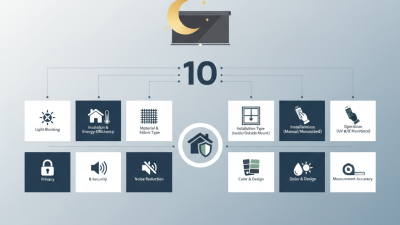
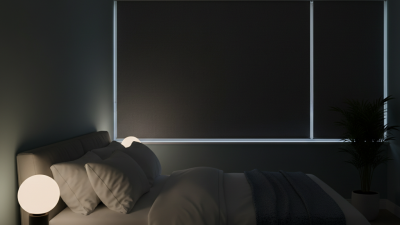
When selecting blackout blinds, several key features warrant careful consideration. Light control is the most critical aspect. High-quality blackout blinds can block out up to 99% of light, allowing for optimal darkness in any room. A recent study highlights that dark environments dramatically improve sleep quality, with 70% of participants reporting better rest after using such window treatments.
Material also plays a pivotal role. Look for polyester or a triple-weave design. These materials are known for their excellent light-blocking capabilities. Additionally, energy efficiency is crucial. According to the Department of Energy, using blackout blinds can reduce heating and cooling costs by up to 25%. This energy efficiency can be a game changer, especially in extreme climates.
Consider the mounting type as well. Inside or outside mount options may influence light gaps and aesthetic appeal. Proper measurements are essential to avoid issues like insufficient coverage. While some consumers overlook this detail, an inaccurate fit can lead to unsatisfactory results. It's vital to prioritize dimensions to ensure maximum effectiveness. The right choice in blackout blinds can improve comfort and enhance the overall ambiance of your living space.
Light Control Solutions: Best Blackout Blinds Features
Top Brands Offering High-Quality Blackout Blinds
When selecting blackout blinds, it's essential to consider quality. Many high-end brands ensure complete darkness, helping you achieve the perfect sleeping environment. Look for materials that have superior thermal insulation. This not only blocks light but also keeps your room cool or warm as needed.
Reading customer reviews can offer valuable insights. Some users might find specific brands easier to install than others. It's crucial to choose a product that suits your window size. Poor fit can lead to light leaks. Measure accurately for an optimal solution.
Another tip is to assess the fabric thickness. Thicker materials generally provide better light control. However, they may also result in a heavier blind. Some designs may come with unique features, like smart control, which allows for adjusting light preferences easily. Don’t shy away from experimenting with different styles and colors, as they can enhance your room's aesthetics while serving their primary function.
Best Blackout Blinds for Ultimate Light Control Solutions
| Feature |
Description |
Light Blockage |
Material |
| Insulation |
Helps maintain room temperature by reducing heat loss |
100% |
Polyester |
| Noise Reduction |
Effective at minimizing external noise |
90% |
Vinyl |
| UV Protection |
Blocks harmful UV rays to protect furniture |
85% |
Fabric |
| Ease of Cleaning |
Can be easily wiped down or vacuumed |
N/A |
Synthetic blend |
Installation Tips for Maximum Light Blocking Efficiency
When installing blackout blinds, achieving maximum light blocking efficiency is key. Proper installation can make a significant difference. Start by measuring your window accurately. Any gaps will allow light to seep through, reducing the blinds' effectiveness. Aim for a snug fit at the top and sides. If blinds hang loosely, sunlight will find a way in.
Consider mounting options carefully. Inside mounts may look cleaner, but outside mounts often block more light. An outside mount can cover the entire window frame, providing better coverage. Ensure that the blinds extend beyond the window edges by a few inches. This attention to detail prevents light from sneaking around the edges.
Also, think about the materials used. Some fabrics work better for light-blocking than others. A thick, dark material can enhance light suppression. Yet, lighter materials might provide a softer look. Don’t overlook the importance of adjustments. Blinds need to be positioned correctly to avoid any accidental gaps. Regularly check their alignment and make small tweaks if necessary. These practices can lead to better outcomes and improved comfort in your space.
Maintaining and Cleaning Your Blackout Blinds for Longevity
Blackout blinds are essential for effective light control in any home. To ensure they last long, regular maintenance is crucial. According to a report by the Window Covering Association of America, improper care can reduce the lifespan of window treatments by up to 50%. Cleaning your blinds properly can prevent dust buildup, which can interfere with their functioning.
A simple tip is to dust the blinds weekly with a microfiber cloth. This prevents dirt from accumulating and keeps them looking brand new. For a deeper clean, use a damp cloth with mild detergent. Avoid harsh chemicals that may damage the fabric. Pay attention to any creases; they can affect how well the blinds block out light.
Longevity also hinges on how you operate them. Always use the cord or mechanism gently. Pulling too hard can lead to wear and tear over time. Consider the environment in which your blinds hang. Humid areas can promote mold growth, so monitoring moisture is vital. Regular assessments of your blinds will help identify any potential issues early on.