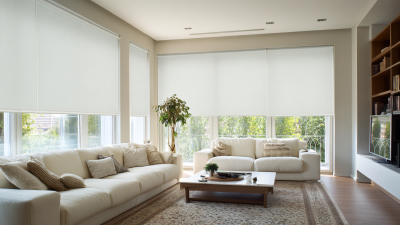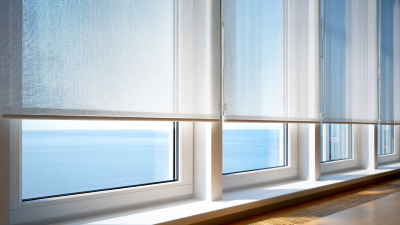
As home automation continues to advance, many homeowners are seeking ways to enhance their living spaces with innovative and convenient technology. One such enhancement is the integration of motorized blinds, a perfect blend of style, functionality, and ease of use. Motorized blinds provide homeowners with the ability to control natural light and privacy effortlessly, often through smart devices or centralized control systems. This not only elevates the aesthetic appeal of a home but also contributes to energy efficiency and comfort.
In this exploration of the best motorized blinds systems for home automation, we will delve into various options available in the market, considering factors such as compatibility with existing smart home systems, ease of installation, and responsiveness to user needs. The right motorized blinds system can transform the way you interact with your living environment, providing you with tailored experiences that align with your daily routines and preferences. Whether you are looking to enhance security, improve energy management, or simply enjoy the convenience of automation, understanding the features and benefits of different motorized blinds will empower you to make an informed choice for your home.
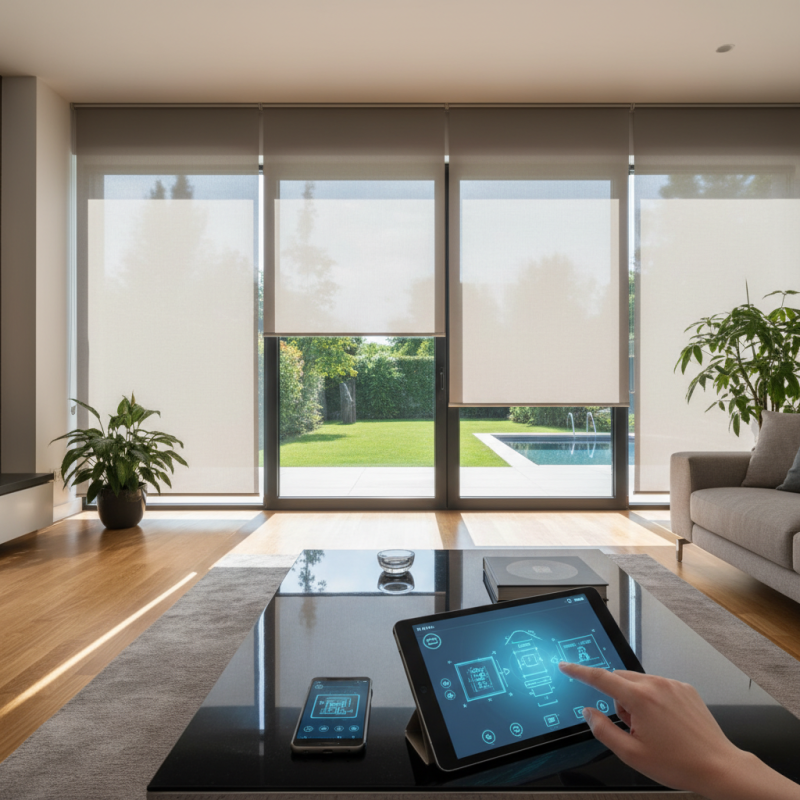
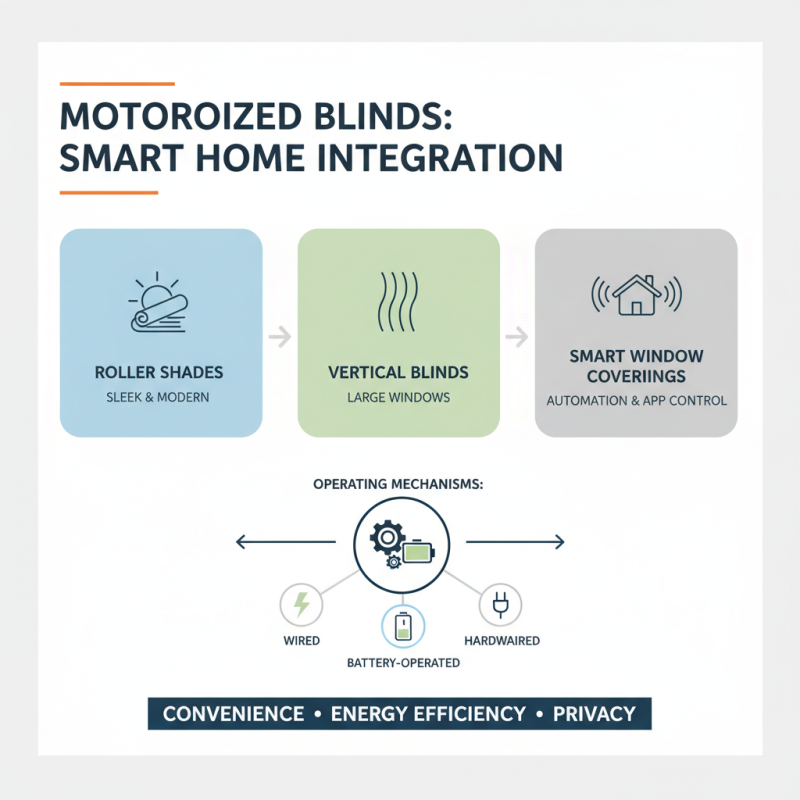
Motorized blinds have become increasingly popular in modern home automation, offering convenience, energy efficiency, and enhanced privacy. Understanding the various types and mechanisms of motorized blinds is crucial for homeowners looking to integrate these systems into their spaces. Generally, there are three main types of motorized blinds: roller shades, vertical blinds, and smart window coverings. Each type uses different operating mechanisms such as wired, battery-operated, or hardwired systems, allowing for flexibility based on the homeowner's preferences and the existing infrastructure of the home.
According to a report by ResearchAndMarkets, the global market for motorized window coverings is expected to grow at a CAGR of 20% from 2021 to 2026. This surge is attributed to the increasing demand for home automation solutions and the pursuit of energy-efficient products. Mechanisms vary from traditional remote controls to advanced smart home systems that integrate voice commands and mobile applications. Homeowners can choose systems that feature Z-Wave or Zigbee technologies, providing seamless interaction with other smart devices. Additionally, data from the Smart Home Market Outlook suggests that over 30% of homeowners prioritize energy efficiency as a significant factor in their automation decisions, highlighting the potential for motorized blinds to contribute to reduced energy consumption through better control of natural light.
When selecting a motorized blinds system for home automation, several key features are essential for ensuring compatibility and seamless integration. Firstly, compatibility with existing home automation platforms is crucial. Look for systems that support popular protocols such as Z-Wave, Zigbee, or Wi-Fi, as these enable communication with your smart home devices and hubs. Verifying that the motorized blinds can be easily incorporated into your existing ecosystem will save time and reduce future hassle.
Another important consideration is the energy efficiency and functionality of the motorized blinds. Many modern systems offer features like scheduling and remote access, allowing you to adjust your blinds based on the time of day or specific events in your routine. Additionally, select a system that has sensors for light and temperature, which can automatically open or close the blinds to enhance comfort and energy savings. By prioritizing these features, you can ensure that your motorized blinds not only serve their primary purpose of light control but also enhance your overall home automation experience.
When selecting a motorized blinds system for home automation, it's essential to conduct a comparative analysis of popular brands to identify the best fit for your needs. Many systems offer a range of features, including connectivity options, control mechanisms, and design flexibility.
Some models are designed for seamless integration with smart home ecosystems, allowing users to control their blinds through voice commands or mobile apps. Others may emphasize ease of installation, with plug-and-play designs that require minimal technical expertise.
Another critical factor to consider is the variety of materials and styles available. Some brands offer a diverse selection of fabrics and colors, enabling homeowners to match their decor while enjoying the functionality of motorized blinds. Additionally, energy efficiency features, such as those that utilize smart sensors to adjust based on daylight, can provide added value. Evaluating customer reviews and product reliability can also guide your decision, ensuring that the selected system not only meets your functional requirements but also stands the test of time.
When installing motorized blinds, proper planning and preparation are crucial to ensure a smooth process. Begin by measuring your windows accurately to determine the appropriate size for your blinds. Consider the type of mounting you prefer: inside or outside the window frame. Gather all necessary tools, including a drill, screwdriver, and level. It’s essential to read the manufacturer’s instructions carefully, as different systems may have varying installation requirements.
Once you’ve ensured all measurements are correct and tools are ready, proceed with the installation. Start by attaching the brackets that will hold the blinds in place. After securing the brackets, carefully insert the blinds according to the guidelines provided. If the system is powered, make sure to connect it to your smart home network, following the necessary steps for syncing it with your automation system.
Maintenance of motorized blinds involves regular checks to ensure they are functioning smoothly. Dust and clean the blinds periodically to prevent dust build-up, which can affect their operation. If you encounter any issues, consult the troubleshooting section of the user manual or contact a professional for assistance. Keeping the mechanical components lubricated can also extend the life of your system, ensuring that your motorized blinds continue to operate seamlessly within your home automation setup.
Integrating motorized blinds into your home automation system can significantly enhance both convenience and energy efficiency. By connecting these blinds to your smart home network, you can control them using voice commands, smartphone applications, or automated schedules. This means you can easily adjust the lighting in your rooms or maintain privacy without needing to physically interact with the blinds. Imagine waking up to natural light gradually filling your space, as your blinds automatically open at a preset time each morning, creating a seamless transition from night to day.
Moreover, motorized blinds can be integrated with other smart home devices for a truly synchronized experience. For example, when you set your thermostat to a certain temperature, the blinds can automatically close during the hottest parts of the day, preventing heat from entering and reducing your cooling costs. Additionally, if your security system detects movement at night, the blinds can close to enhance privacy and security.
By thoughtfully incorporating motorized blinds into your home automation setup, you create a dynamic living environment that adapts to your lifestyle and preferences.