Best Wooden Blinds for Windows What to Consider Before Buying?
When choosing the best wooden blinds for windows, several factors come into play. The craftsmanship of wooden blinds can vary significantly. It’s important to consider the type of wood used, as different species can affect appearance and durability. You may find options like bamboo, oak, or cedar, each offering unique characteristics.
Light control is another consideration. Wooden blinds for windows can provide excellent light management, but not all designs achieve this equally. Think about how much light you want and when. The color and finish of the blinds also influence your room's ambiance. Darker shades can create warmth, while lighter colors may make spaces feel larger.
Don’t overlook the installation process or maintenance requirements. Some wooden blinds may require more care, impacting long-term satisfaction. Reflect on your specific needs—what looks good may not always work well in your space. It’s essential to balance aesthetics and functionality for the best results.
Factors Influencing the Durability of Wooden Blinds
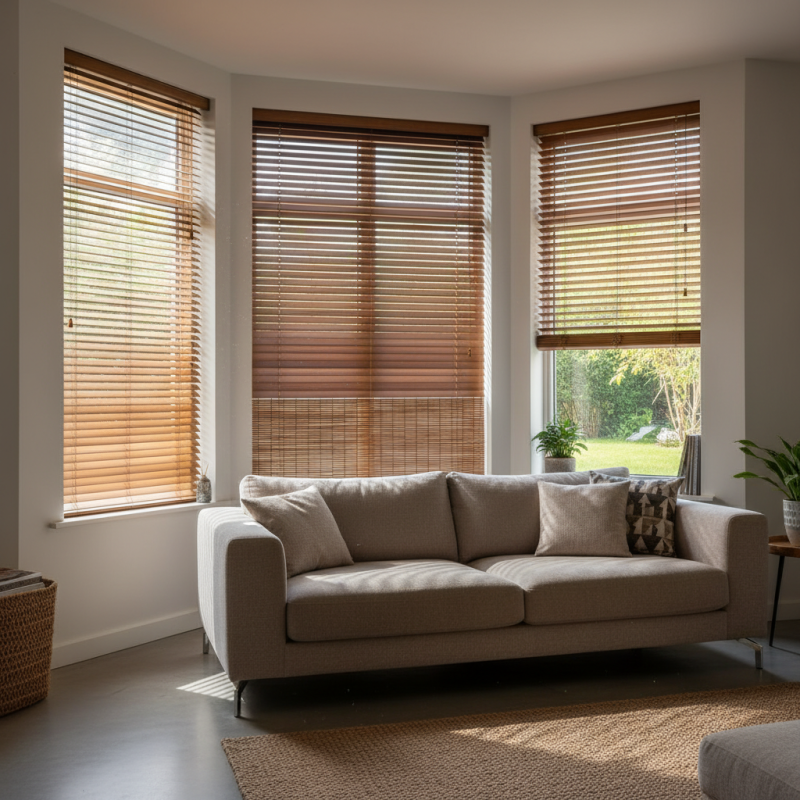
When considering wooden blinds for your windows, durability is crucial. Several factors influence their long-lasting appeal. The type of wood used significantly affects strength and resilience. For instance, hardwood blinds tend to resist warping and moisture better than softwoods. However, they can be more expensive.
Another important aspect is the finish applied to the blinds. A high-quality finish protects the wood from scratches, dust, and UV rays. Without proper treatment, the blinds may fade or deteriorate over time. This could lead to a short lifespan, which isn't ideal for your investment.
Installation also plays a role in durability. Improper fitting can cause stress on the wood, leading to warping or damage. It’s essential to ensure the blinds are hung correctly. Over time, cleaning habits can also impact durability. Some methods may not be suitable for wooden surfaces. A gentle approach is often best. Consider these details carefully to enhance the longevity of your wooden blinds.
Best Wooden Blinds for Windows: What to Consider Before Buying? - Factors Influencing the Durability of Wooden Blinds
| Factor |
Description |
Impact on Durability |
Recommendations |
| Material Quality |
The type of wood used (e.g., hardwood vs softwood). |
High-quality hardwoods are more durable. |
Opt for blinds made from hardwoods like oak or maple. |
| Finish |
The protective coating applied to the wood. |
Good finishes can resist moisture and UV damage. |
Choose blinds with high-quality varnish or sealant. |
| Maintenance |
Regular care needed to keep blinds looking new. |
Proper cleaning and care enhance longevity. |
Clean with a soft cloth and avoid harsh chemicals. |
| Installation |
Correct installation affects performance and lifespan. |
Improper installation can lead to damage. |
Follow manufacturer instructions or hire a professional. |
| Environmental Exposure |
Exposure to sunlight, humidity, and temperature changes. |
Can cause warping, fading, or cracking over time. |
Use blinds in appropriate locations away from direct sunlight. |
Types of Wood Used in Blinds and Their Impact on Quality
When considering wooden blinds, the type of wood used significantly impacts their quality. Commonly used woods include basswood, oak, and bamboo. Each type brings unique characteristics. Basswood is lightweight and smooth, making it a popular choice. Oak offers durability but may be heavier. Bamboo is eco-friendly and adds a natural aesthetic.
Tips: Look for blinds made from high-quality materials. They tend to be more durable and visually appealing.
The finish applied to the wood also matters. It affects the blind's appearance and longevity. Some finishes may fade under sunlight while others resist wear. Choosing the right finish can enhance both beauty and durability.
Tips: Consider how much sunlight your blinds will encounter. This will help in deciding the right finish.
Remember, not all wooden blinds are created equal. Some may look great but lack sturdy construction. It’s essential to examine the craft behind them. Pay attention to the slats’ alignment and the ease of movement. Thicker slats often indicate higher quality.
Energy Efficiency: How Wooden Blinds Contribute to Home Insulation
Wooden blinds are more than just a design choice; they’re functional. These blinds provide significant energy efficiency for windows. The natural materials help insulate your home against extreme temperatures. When the sun beats down on a summer day, wooden blinds act as a barrier. They reflect sunlight and reduce heat gain indoors. This process helps you keep your home cooler. On colder days, they also trap warmth, minimizing heat loss.
Installing wooden blinds can lead to noticeable savings on energy bills. However, not all wooden blinds are created equal. The thickness and quality of the wood matter greatly. Thin wooden slats may not offer the same insulation benefits as thicker ones. Cheaper options might lack the durability needed for long-term use. You might find yourself replacing them sooner than expected. Taking time to research the right choice is crucial.
Additionally, the color and finish of wooden blinds can influence their energy efficiency. Darker shades absorb more heat, while lighter colors reflect it. This aspect might not be evident at first glance. However, over time, light-colored blinds may prove advantageous in keeping spaces cooler. Always consider how aesthetics and functionality interact. The ideal choice should enhance your home's appeal while delivering practical benefits. Aim for balance in your selection.
Energy Efficiency of Wooden Blinds for Home Insulation
Maintenance Requirements for Different Styles of Wooden Blinds
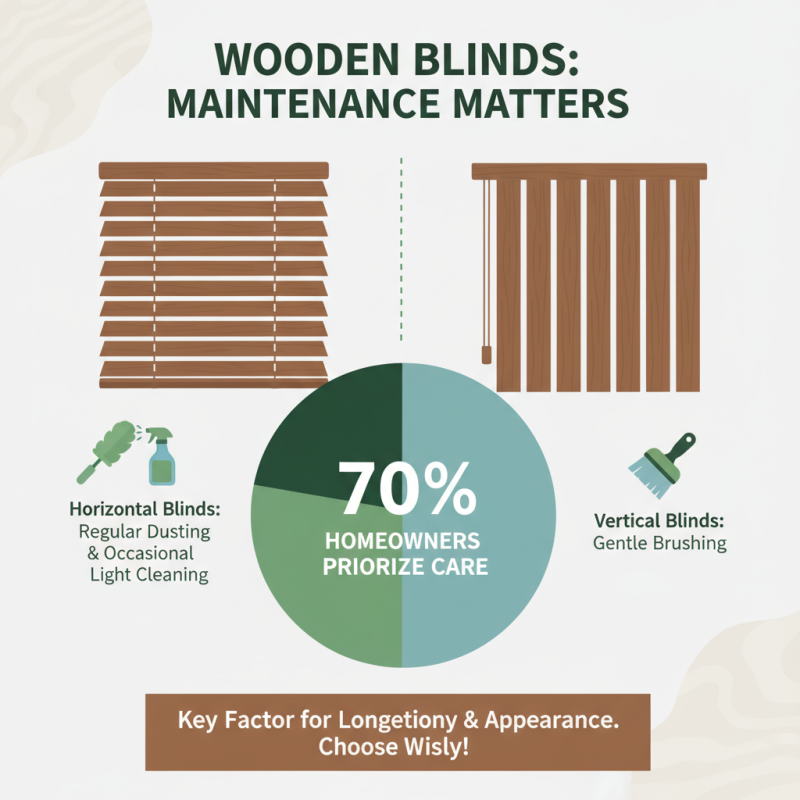
When deciding on wooden blinds, maintenance is an essential factor. Different styles require various care routines, impacting their lifespan and aesthetics. According to a recent industry report, 70% of homeowners find maintenance a key consideration when choosing window treatments.
Natural wood blinds typically need regular dusting and occasional polishing. Dust can accumulate quickly in textured wood, making cleaning essential. A microfiber cloth or a soft duster works wonders here. The same report indicates that neglecting this basic care can lead to a decline in the appearance and integrity of the blinds within just six months.
Faux wood options present a different scenario. They are known for their resistance to moisture, making them ideal for humid environments. A simple wipe with a damp cloth can maintain their look. Yet, over-cleaning or using harsh chemicals can damage their finish. Balance is necessary. Homeowners must weigh the effort of cleaning against the durability of the product. Each choice in material suits specific needs but requires thoughtful consideration and care.
Aesthetic Considerations: Choosing the Right Finish and Color for Decor
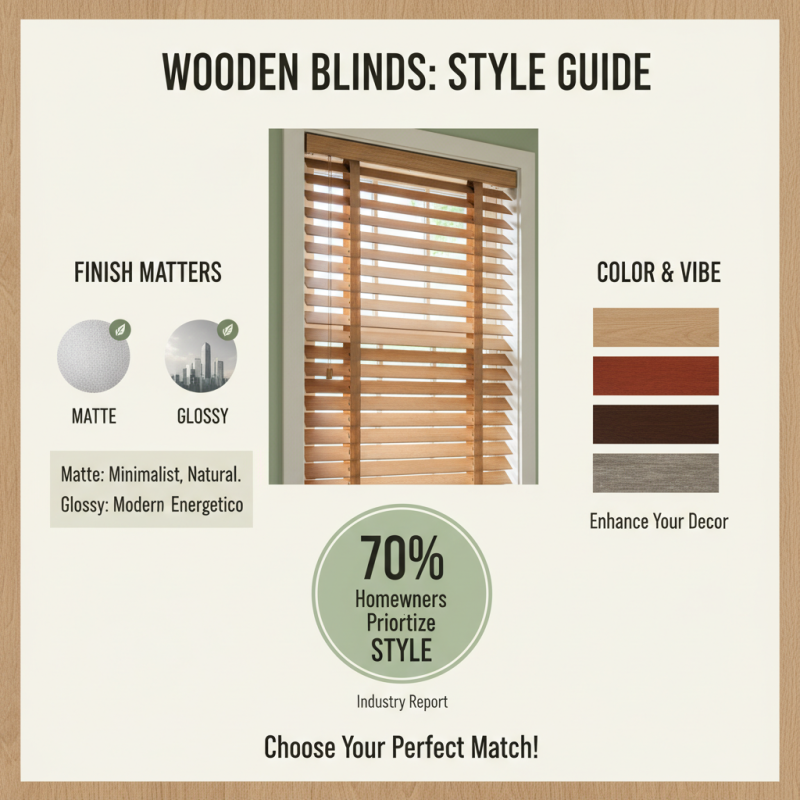
When choosing wooden blinds, the finish and color are essential. Aesthetics can dramatically impact a room's vibe. According to a recent industry report, nearly 70% of homeowners prioritize style over functionality when selecting window treatments. The right finish can either enhance or clash with your existing decor. For instance, matte finishes work well in minimalist settings, while glossy finishes suit modern, vibrant designs.
Color plays a vital role in the decision-making process. Natural wood tones provide a warm, cozy feel, but dark shades can create a dramatic ambiance. Many homeowners underestimate how color can affect mood and lighting. A survey found that 55% of people feel more relaxed in rooms with earthy tones. However, not every color works for all spaces. Bright colors may not mesh well with traditional interiors, leading to discord.
It's also important to remember that personal preference is subjective. A color that seems perfect for one individual may be too bold or dull for another. The challenge lies in balancing personal taste with overall decor harmony. Experimenting with samples can help, yet it doesn't guarantee satisfaction. Selecting the right finish and color requires careful thought and reflection on how these choices will impact your living space.