Why Choose Blackout Shades for Your Home?

A bedroom can look calm at noon and still feel too bright at 5 a.m. Streetlamps, early sun, and reflections from nearby buildings can disturb a dark, restful space. Blackout shades offer a practical way to limit incoming light, especially when their fabric and side fit suit the window. The difference is tangible: less glare on a screen, fewer bright stripes across the pillow, and more control over a room’s atmosphere.

There is a useful reason to consider darkness. The U.S. Centers for Disease Control and Prevention advises adults to get at least seven hours of sleep each night. That guidance does not mean blackout shades guarantee better sleep; routines, health, noise, and temperature matter too. Still, reducing unwanted light can help people who work night shifts or face bright outdoor lighting. Small gaps at the edges can let light through, so careful measuring and installation matter.

Comfort is not the only consideration. The U.S. Department of Energy reports that windows account for about 25% to 30% of residential heating and cooling energy use. Well-fitted window coverings may help manage heat and glare, although results depend on the window, shade construction, and climate. Blackout shades are not a cure-all. They can make a room feel more private and controlled, but they may also darken it when daylight is welcome. The best choice balances sleep, daily use, and energy goals—without expecting one shade to solve every problem.
Why Choose Blackout Shades for Your Home?

What Blackout Shades Are and How They Work

Why Choose Blackout Shades for Your Home?
What Blackout Shades Are and How They Work

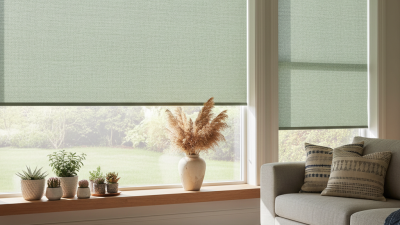
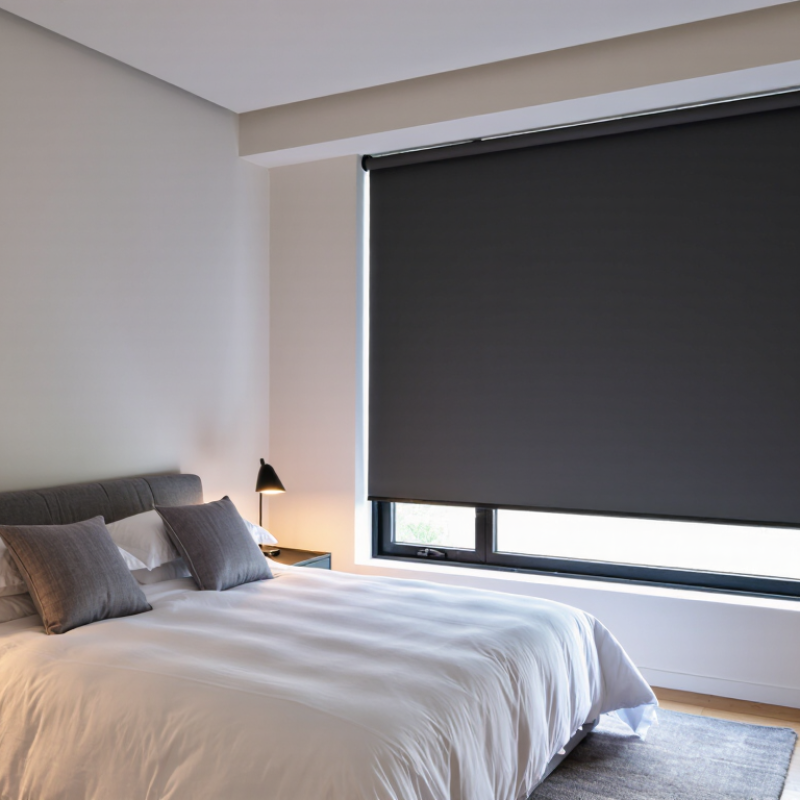
Blackout shades use dense, light-blocking fabric, often with an opaque backing, to darken a room. When lowered, the material stops most light from passing through the window. Yet light can still slip around the edges, especially on bright mornings. Side channels or a close-fitting mount can reduce those gaps. The shade also softens direct sunlight, helping limit glare on screens and fading on rugs.

Their thermal effect depends on fabric, fit, and window type. The U.S. Department of Energy’s Energy Saver guidance estimates that heat gain and loss through windows account for 25–30% of residential heating and cooling energy use. That figure describes windows, not savings from blackout shades. Still, it shows why window coverings can matter. Some shades slow heat transfer by trapping a thin layer of air; they are not a substitute for good insulation. A small, imperfect fit can make the room less dark than expected.

Tip: For a darker bedroom, measure the frame carefully and check for side gaps before buying. Test the shade at midday, when sunlight reveals leaks quickly. Blackout does not mean soundproof, either.

Why Choose Blackout Shades for Your Home?

Blackout shades are designed to block nearly all light passing through their fabric. They can help darken a room for sleep, but light may still enter around the edges depending on the fit and installation.

Approximate illuminance levels in lux; actual conditions vary. Values describe ambient light, not blackout-shade performance. The horizontal axis is logarithmic to show the wide range.

How Blackout Shades Control Light and Improve Privacy

Blackout shades use dense, often layered fabric to block most incoming daylight. In a bedroom, that can soften the bright edge of early morning and reduce glare on a screen. Fit matters: light can still slip through side gaps, especially around shallow window frames. Measure carefully, and consider an outside mount when a darker room is the goal.

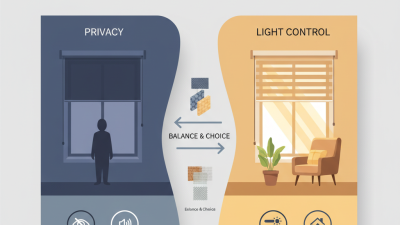
Privacy changes with the light. During the day, a closed shade limits views into the room; at night, an illuminated room can reveal silhouettes through gaps or thinner materials. Check the shade after dark with indoor lights on. It is a small test, but an important one. The U.S. Department of Energy’s Energy Saver guidance estimates that heat gain and loss through windows account for about 25%–30% of residential heating and cooling energy use. Blackout shades may help manage solar heat, though results depend on fabric, fit, window orientation, and installation. Darker rooms are not automatically cooler, and no shade can seal every edge perfectly.

Benefits for Sleep, Comfort, and Energy Use

Why Choose Blackout Shades for Your Home?

Blackout shades can make a bedroom noticeably darker, especially when early sunlight reaches your pillow or streetlights glow through the glass. Less light may support a steadier bedtime routine, though shades cannot fix every sleep problem. The CDC says adults generally need at least seven hours of sleep per night. A darker room can help some people protect that time, particularly during daytime sleep. Small detail, real difference.

They can also soften glare on a laptop screen and reduce direct sun on a sofa or hardwood floor. The U.S. Department of Energy reports that windows account for about 25–30% of residential heating and cooling energy use. Well-fitted shades may help limit unwanted solar heat, but the result depends on the window, fabric, and installation. They are useful, not magic.

Tips: Measure each window carefully, including the frame. Choose side channels or an outside mount if light leaks bother you. On sunny afternoons, close shades before the room heats up; in winter, open them when sunlight can warm the space. Check the room again after a week. A small gap may matter more than expected.

Room-by-Room Uses for Blackout Shades

Why Choose Blackout Shades for Your Home?

Room-by-Room Uses for Blackout Shades

In bedrooms, blackout shades can reduce morning glare and streetlight, helping create a darker place to sleep. They are especially useful for shift workers who rest during daylight. Measure the window carefully: light can still slip around the edges, even with opaque fabric. Small gaps matter.

In a nursery, darker conditions may make daytime naps calmer, while a simple shade is easy to adjust. Choose a cordless design, and keep window coverings and furniture arranged according to the product’s safety instructions.

In a media room, blackout shades can soften reflections on a screen. They work best when the shades cover the full window and other bright light sources are also controlled.

Living rooms and kitchens need a little more thought. Blackout shades can help with afternoon sun on a sofa or dining table, but keeping them closed all day may make a room feel gloomy. A layered setup, such as blackout shades paired with lighter curtains, gives more flexibility. It is easy to assume one shade suits every room; in practice, light direction, window size, and how you use the space can change what feels comfortable.

Factors to Consider When Choosing Blackout Shades

Factors to Consider When Choosing Blackout Shades

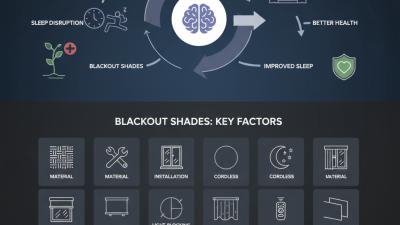
Start with the room’s actual needs. A nursery or street-facing bedroom may benefit from stronger light control than a living room. Blackout fabric can darken a space, but light may still slip around the edges. Small gaps matter. Measure each window carefully, including its depth, and decide whether the shade will sit inside or outside the frame. An outside mount can cover more of the opening, while an inside mount offers a neater fit.

Check the fabric, too. Heavier materials may feel substantial, but they can make a shade harder to raise. Dark colors do not automatically block more light than pale ones; the fabric’s construction and lining matter more. Ask how the shade performs in bright daylight, and look for clear care instructions. Dust gathers along the bottom edge, where it is easy to miss.

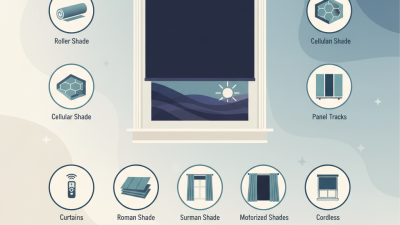
Daily operation deserves attention. A cord-free design may be easier to use around children, while motorized controls can help with high windows. Both add cost or require planning. Check the hardware, too. Consider whether the shade can be cleaned without taking it down. Blackout shades are not a cure for every bright room: a narrow strip of uncovered glass can still be noticeable, and no installation is perfectly foolproof. That trade-off is real.

Call Now