How to Choose the Perfect Horizontal Blinds for Your Home?
Choosing the perfect horizontal blinds for your home can be challenging. With the variety of options available, it’s easy to feel overwhelmed. According to a report by the Window Covering Association of America, "horizontal blinds account for over 25% of the market share in residential window treatments." This shows their popularity and why they deserve careful consideration.
Expert Thomas Greene, a leading specialist in window coverings, emphasizes, "The right horizontal blinds can transform your living space completely." It's true; they not only enhance aesthetics but also offer essential privacy and light control. However, finding the ideal type requires understanding specific needs.
Consider factors like materials, colors, and functionalities. Some styles might not suit your home's vibe. Investing in high-quality horizontal blinds can provide long-term benefits, yet there’s a risk in selecting a poorly designed option. Reflecting on your choices can lead to better outcomes, ensuring that every detail contributes to your home's overall design.
Factors to Consider When Choosing Horizontal Blinds for Home Decor
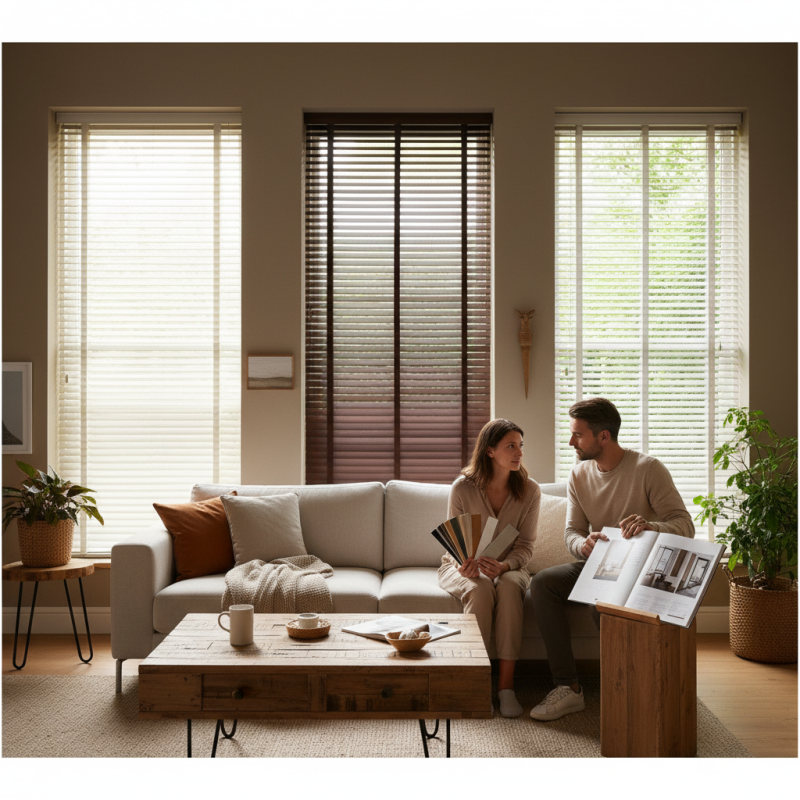
When choosing horizontal blinds for your home, several factors come into play.
Start by considering the material.
Wooden blinds offer warmth and elegance.
However, they may warp in humid areas.
Aluminum blinds are durable and easy to maintain. They can be a practical choice for kitchens or bathrooms.
Next, think about the width and length of the blinds. Measure your windows accurately.
Misjudged sizes can lead to dissatisfaction.
Blinds that are too wide can look awkward.
If they are too narrow, they may let in unwanted light.
Always double-check your measurements.
Tips: Choose a color that complements your room's decor.
Neutral shades blend well with many themes.
Dark colors can add drama but may overwhelm small spaces.
Additionally, consider the level of light control you desire. Some blinds allow partial sunlight,
while others provide complete privacy. Reflect on your needs carefully.
Types of Horizontal Blinds: Materials and Their Impact on Aesthetics
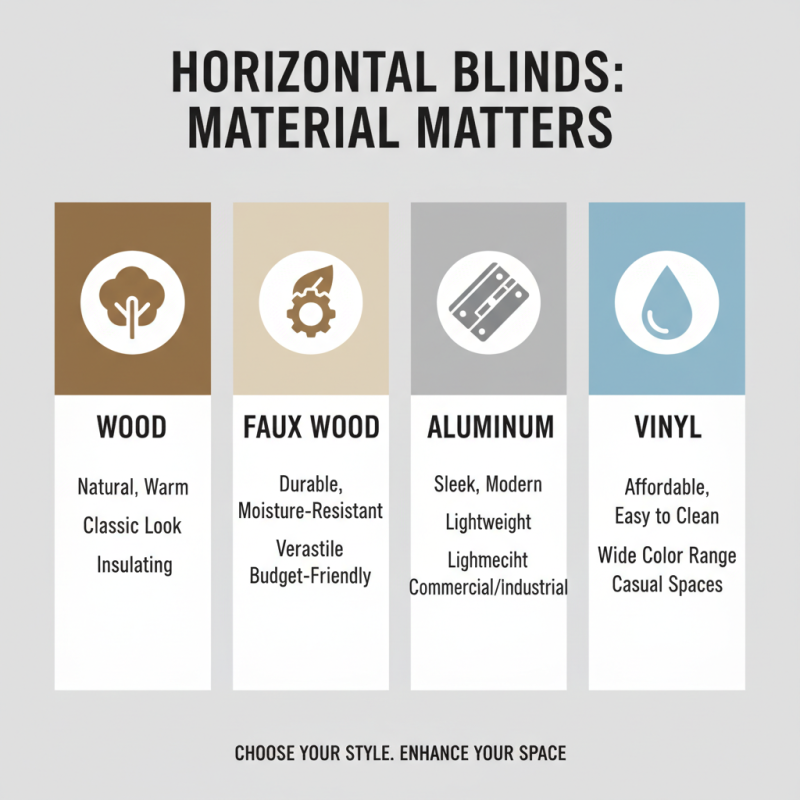
When choosing horizontal blinds, materials play a significant role in aesthetics. Wood, faux wood, aluminum, and vinyl are common options. Each material has its own unique characteristics that can enhance or detract from your space's visual appeal.
For instance, real wood blinds bring warmth and elegance to a room. They are a classic choice, adding texture and depth. However, they require more maintenance and can warp in humid environments. A study by the Window Coverings Association of America (WCAA) found that 40% of homeowners appreciate the natural look of wood, even with the challenges.
Faux wood blinds mimic the appearance of wood while resisting moisture damage. They are perfect for kitchens and bathrooms. Aluminum blinds are sleek and modern, providing a minimalist aesthetic. A report indicated that 35% of homeowners prefer aluminum for its durability and cost-effectiveness. Yet, they can appear cold in certain settings, which might not suit every home.
Vinyl blinds are budget-friendly and come in various colors. They are easy to clean but lack the richness of wood. It's important to consider how each material aligns with your vision for the space. Often, homeowners overlook the long-term effects of material choice on ambiance. Balancing aesthetics and functionality can sometimes lead to tough decisions, but the results are worth the contemplation.
Measuring Windows for Horizontal Blinds: Accurate Techniques and Tips
When measuring windows for horizontal blinds, precision is crucial. Start by gathering a tape measure, a pen, and paper. Measure the width of your window frame
at three distinct points. This helps ensure you get the widest measurement. If the window is not perfectly square, this step is vital. Record the smallest width.
Next, measure the height from the top of the frame to the sill. Again, take measurements at different points. Windows might not align perfectly. It's common for
modern homes. Make sure every measurement is exact. Write them down clearly to avoid confusion later.
Don’t forget to consider any obstructions, like handles or window cranks. They can influence the space required for installation. If it's your first time, you might
make mistakes. Double-check your numbers before making any purchase. Inaccurate measurements lead to ill-fitting blinds, which can be frustrating. Taking these steps ensures your
horizontal blinds will fit beautifully and function well.
Energy Efficiency of Horizontal Blinds: Cost Savings and Insulation Benefits
Horizontal blinds can significantly influence energy efficiency in your home. They act as a barrier against heat loss in winter and prevent heat gain in summer. This dual functionality can lead to noticeable cost savings on energy bills. For instance, keeping your blinds closed during the hottest parts of the day can reduce cooling costs and maintain a comfortable indoor temperature.
The insulation benefits of horizontal blinds are often underestimated. Properly installed blinds can reduce the transfer of heat through windows. They trap air between the blind and the window, creating an insulating layer. It’s easy to overlook this simple solution. Sometimes, homeowners focus on aesthetics or style instead. A beautiful blind that lacks efficiency won't contribute to energy savings long-term.
When choosing horizontal blinds, consider materials carefully. Wood and thicker fabrics often provide better insulation. However, cheaper options might not offer the same performance. These decisions can be tricky. Balancing cost and efficiency is essential. You may need to reflect on your specific needs. Will the investment pay off in the long run? Consider experimenting with different options to see which best meets your home's energy-saving goals.
Maintenance and Care for Horizontal Blinds: Longevity and Performance Insights
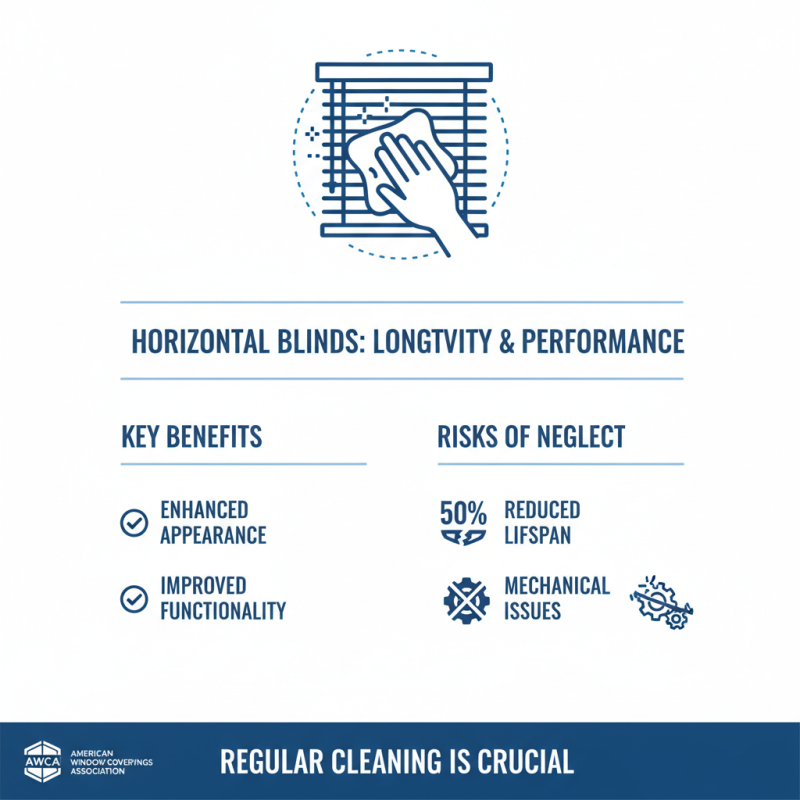
When it comes to horizontal blinds, maintenance is crucial for longevity and performance. Regular cleaning can enhance their appearance and functionality. A study by the American Window Coverings Association found that neglect can reduce the lifespan of blinds by up to 50%. Dust and grime buildup can also lead to mechanical issues.
To keep horizontal blinds in top shape, a simple routine is effective. Use a soft cloth or a microfiber duster weekly. For deeper cleaning, a gentle soap solution can work wonders. However, some may find themselves struggling to remove stubborn stains, leading to frustration and less effective results. You might even need to consult professionals occasionally, which can be inconvenient.
Moreover, consider the environment where your blinds are installed. Humidity and exposure to direct sunlight can accelerate wear and tear. A report indicated that blinds in kitchens or bathrooms could require more frequent maintenance. Understanding these factors can help you make better choices. Proper care really can transform the way your horizontal blinds perform. It's an ongoing effort but worth the investment.