How to Choose the Best Hotel Outdoor Seating for Guests?
Choosing the best Hotel Outdoor Seating is vital for enhancing guest experiences. Experts in the hospitality industry emphasize this point. Sarah Thompson, a renowned hotel design consultant, once said, "Comfortable outdoor seating transforms spaces into memorable guest experiences." Her insight highlights the significance of thoughtful selection in outdoor furnishings.
Outdoor seating serves more than a functional purpose. It creates an inviting environment where guests can unwind. Choosing the right seating requires careful consideration of design, materials, and comfort. Factors like local climate and the hotel's theme also play crucial roles.
There may be temptation to prioritize aesthetics over comfort. However, neglecting guest comfort can lead to dissatisfaction. In the end, balancing style with functionality is essential. Investing in quality Hotel Outdoor Seating directly impacts guest satisfaction and return rates.
Understanding the Importance of Outdoor Seating for Hotel Guests
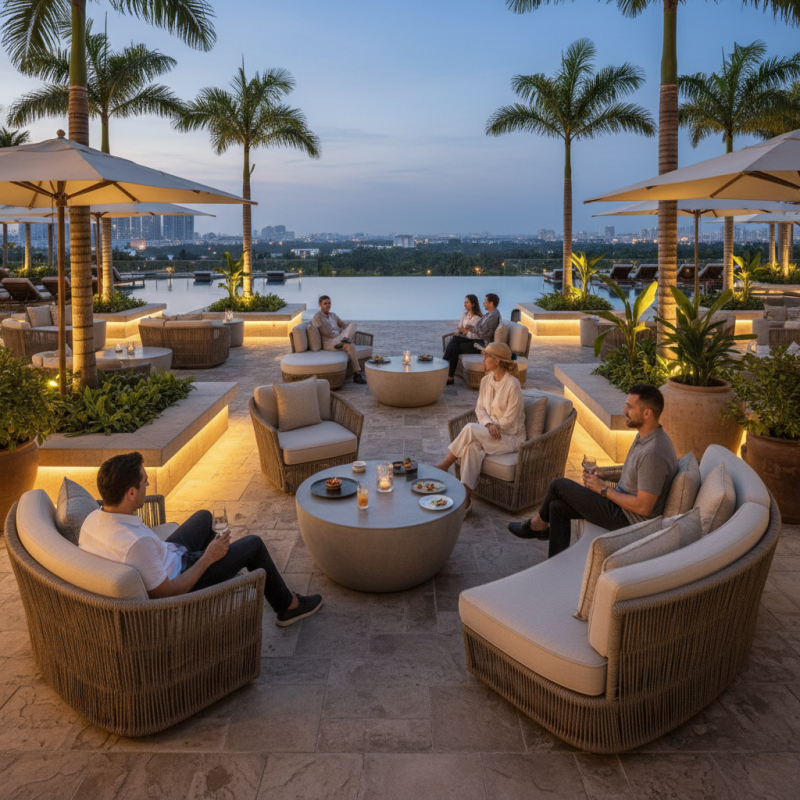
Outdoor seating can significantly enhance a hotel's appeal. For guests, it offers a space to relax and enjoy the surroundings. A well-designed area can create memorable experiences. Comfortable chairs and tables are essential. Guests appreciate the option to dine al fresco or sip a drink in the sun.
The atmosphere of outdoor seating directly affects guest satisfaction. Natural light and fresh air contribute to a sense of well-being. Many hotels underestimate this factor. It’s not just a place to sit; it’s about creating the right vibe. Providing shade is important for hot days, while cozy blankets can appeal to those who enjoy cool evenings.
Incorporating greenery can enrich the experience. Plants and flowers add life and color. Guests are likely to linger longer in such warm, inviting spaces. Additionally, the layout should allow for easy movement. Accessibility can be a concern, but it is often overlooked. Investing in quality outdoor furniture reflects a commitment to guest comfort and enhances overall enjoyment. Each detail counts.
How to Choose the Best Hotel Outdoor Seating for Guests?
| Seating Type | Material | Comfort Level | Maintenance Level | Weather Resistance |
| Lounge Chairs | Aluminum | High | Low | Excellent |
| Dining Sets | Wicker | Medium | Medium | Good |
| Benches | Teak Wood | High | High | Very Good |
| Daybeds | Synthetic Resin | Very High | Low | Excellent |
| Folding Chairs | galvanized Steel | Medium | Very Low | Good |
Assessing the Space and Layout for Outdoor Seating Options
When assessing outdoor seating options for hotels, start by understanding your space. Look at existing layouts. Are there natural views? Consider how sunlight enters the area. Shade is crucial for comfort. A well-planned space invites guests to linger.
**Tips:** Measure the area accurately. Use those dimensions to visualize different seating arrangements. Allow ample space for movement. Consider walkways and access routes. Think about weather patterns, too. Will your guests enjoy breakfast in the morning sun or evening shade?
Evaluate the seating style. Comfortable, stylish options can create inviting vibes. Mix tables and lounge chairs for relaxation. A variety of seating arrangements encourages social interaction. However, ensure that the furniture remains practical. Heavy winds can be an issue. Lightweight options might not withstand a storm.
**Tips:** Invest in durable materials. Weather-resistant furniture can save money in the long run. Maintain cleanliness regularly. A tidy outdoor space promotes a positive image. Observe guest behaviors. Adjust seating arrangements based on usage patterns and preferences. Observing can lead to improvements.
Outdoor Seating Space Assessment for Hotels
Selecting Comfortable and Durable Seating Materials
Choosing the right outdoor seating for guests is crucial. Comfortable and durable materials can enhance the overall experience. When selecting materials, consider elements like weather resistance and comfort level. For example, teak wood is known for its durability and ability to withstand the elements. Cushions made from high-quality outdoor fabric can provide comfort but require maintenance.
Another option is aluminum. It is lightweight and rust-resistant, making it suitable for various climates. However, it may lack the warmth of wood. Fabrics made from solution-dyed acrylic are worth considering too. These materials resist fading and mildew, ensuring long-lasting aesthetics.
Reflect on how the materials will age. Will they still look appealing after a couple of years? Durability is essential, but so is the seating's appearance over time. Sometimes, investing in pricier options pays off in the long run. Remember to ask for feedback from guests to refine seating choices in the future.
Incorporating Style and Aesthetics into Outdoor Seating Design
Creating inviting outdoor seating areas in hotels is essential for enhancing guest experience. According to industry reports, aesthetically pleasing outdoor spaces can increase guest satisfaction by up to 25%. Unique designs and thoughtful nature integration significantly impact how guests perceive a hotel's ambiance.
The choice of furniture plays a crucial role. Lightweight, durable materials are preferred due to varying weather conditions. However, many establishments overlook the balance between comfort and style. Bright colors attract attention, while neutral tones can blend with surroundings. Mixing textures can create visual interest, but overcomplicated arrangements may confuse guests. Striking the right balance is key.
Lighting is equally important. Ambient lighting can transform a space, making it cozy at night. However, too much light can feel harsh, detracting from relaxation. Incorporating natural elements, like plants, enhances aesthetics but requires regular maintenance. Neglect can lead to a cluttered appearance, diminishing the space's appeal.
Thoughtful planning is necessary to maintain both beauty and functionality in outdoor seating designs.
Ensuring Safety and Accessibility in Outdoor Seating Areas
When selecting outdoor seating for hotel guests, safety and accessibility are paramount. Ensure pathways are clear and well-marked. Consider the materials used, as certain surfaces can become slippery when wet. All seating should be stable and secure. Tables need to be placed at an appropriate height for both standing and seated guests. This way, patrons can enjoy their meals without struggling to reach.
Think about ADA compliance. Proper spacing between tables allows for wheelchair access. Some guests may require a little extra room. Ensure there's enough space for mobility aids. Light levels should also be considered. Bright areas are welcoming but also need to prevent glare, which can be uncomfortable. Adding features like shade sails can provide comfort while protecting guests from direct sunlight.
Identifying potential hazards is crucial. Sharp edges and unstable furniture should be avoided. Outdoor seating must be easy to navigate. Adequate lighting at night is also essential for safety. While creating an inviting atmosphere, one must not overlook these basic principles. Keeping a balance between aesthetics and functionality can lead to a better guest experience overall.