How to Choose the Best Motorized Window Shades for Your Home?
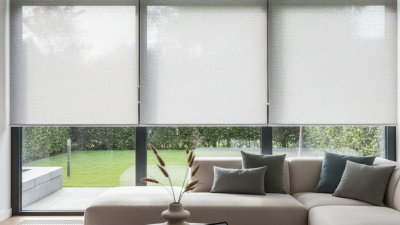
As homeowners seek to enhance comfort and style, the demand for motorized window shades is rapidly growing. Recent industry reports indicate that the market for these shades is projected to reach $4.4 billion by 2026, reflecting an increasing desire for automation in home decor. These shades offer convenience, energy efficiency, and modern aesthetics, making them a popular choice among consumers.
According to industry expert Sarah Thompson, "Motorized window shades not only elevate a room's design but also improve energy management in homes." This insight underscores the importance of selecting the right shades for your space. Choosing motorized options allows for optimal light control and privacy, which are crucial elements for any home.
However, not all motorized window shades are created equal. Factors such as material, size, and technology can significantly impact performance and user experience. With so many choices in the market, potential buyers may feel overwhelmed. Careful consideration is key to ensuring that your investment meets both aesthetic and functional needs. Achieving the perfect balance between style and efficiency requires thoughtful reflection on what truly fits your personal space.
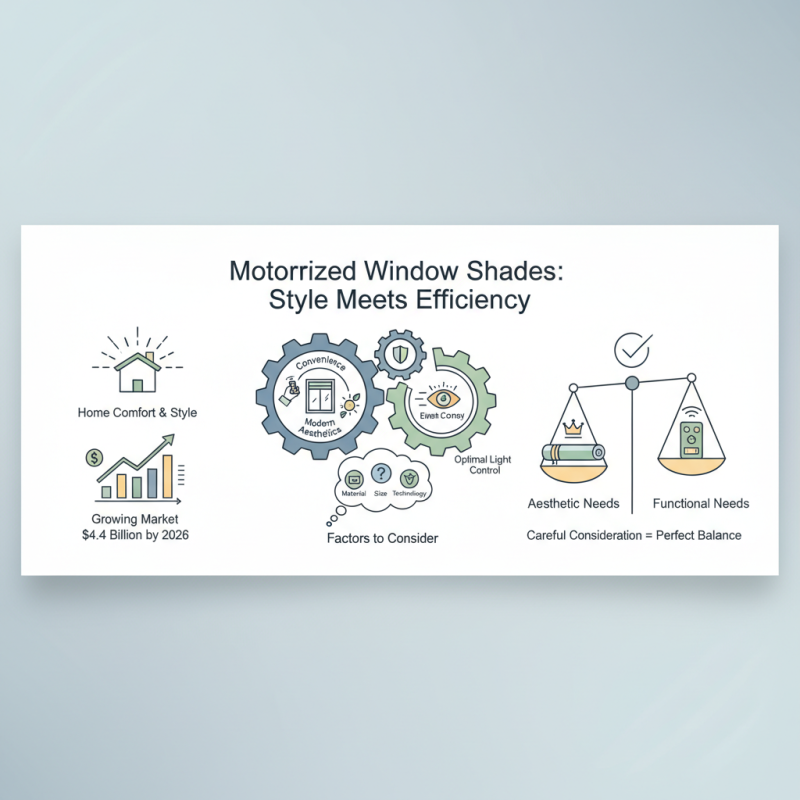
Factors to Consider When Selecting Motorized Window Shades for Your Home
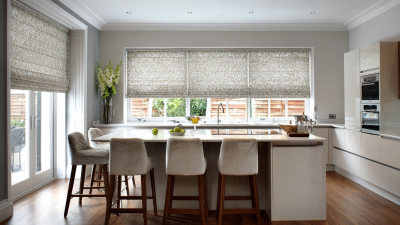
When selecting motorized window shades for your home, consider functionality and design. Think about how much light control you need. Room orientation matters. North-facing rooms may require different shades than those facing west. Make sure the shades match your décor style. Color is just as crucial as texture. Lighter colors can brighten a room, while darker shades provide a cozy feel.
Energy efficiency is another important aspect. Some motorized shades offer insulation benefits, reducing energy costs. The choice of materials impacts durability and ease of cleaning. Check if they are easy to maintain, as this affects long-term user satisfaction. Remote control or smart home compatibility can also enhance user experience, but not everyone needs these features.
It’s wise to read reviews and seek expert opinions before making a decision. Many overlook the installation process, which can be complex. Some shades may require professional help, affecting your overall budget. Always consider your specific needs and environment to avoid potential regrets. A little planning can provide a satisfying result in the end.
Understanding Different Types of Motorized Window Shades Available on the Market
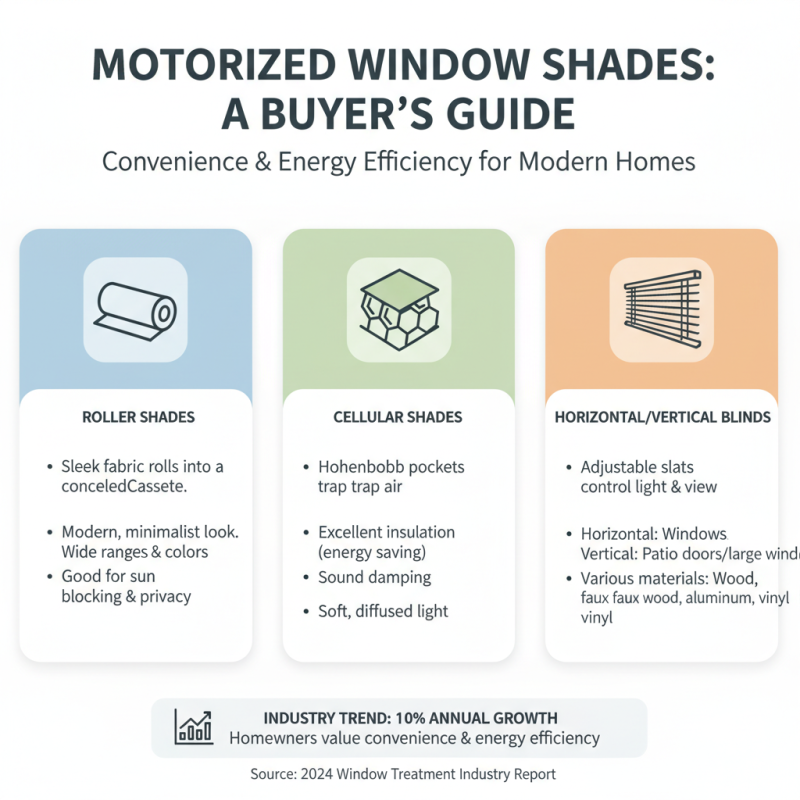
Motorized window shades come in various styles, each with distinct features. The most common types include roller shades, cellular shades, and horizontal or vertical blinds. According to a recent industry report, the demand for motorized shades is projected to grow by 10% annually, with homeowners increasingly valuing convenience and energy efficiency.
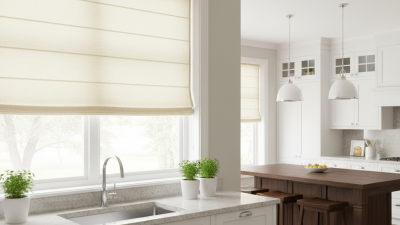
Roller shades are popular for their simplicity. They can block out light effectively while providing a sleek appearance. Cellular shades, on the other hand, offer superior insulation. Their honeycomb structure traps air, which can reduce heating and cooling costs. Many homeowners appreciate the energy savings. However, installation can be tricky, sometimes requiring professional help.
Another option is smart blinds. They integrate with home automation systems, allowing users to control them via a smartphone or voice commands. While this provides convenience, the technology can sometimes fail or need frequent updates. Homeowners should consider compatibility with their existing systems. Research shows that integrating smart shades can result in up to 30% energy savings, making them an appealing choice for eco-conscious consumers.
Assessing Energy Efficiency: How Motorized Shades Can Reduce Utility Bills
Motorized window shades offer more than just convenience. They can significantly improve your home's energy efficiency, leading to lower utility bills. By automatically adjusting to the sunlight throughout the day, these shades minimize the reliance on heating and cooling systems. When shades block direct sunlight, your home stays cooler in summer. This can reduce the need for air conditioning, which directly lowers energy consumption.
Moreover, during colder months, motorized shades can help retain heat. By closing during the night, they create an insulating barrier. This keeps warmth inside your home, allowing you to use less heating. Energy savings can be substantial over time, especially if you are in an area with extreme temperatures.
It’s important to consider the quality of the shades. Not all motorized options are the same. Some may wear out quickly, leading to replacement costs. Be mindful of this when making your choice. An informed decision can lead to lasting benefits. Think about how you use each room and where you may need better temperature control. Failing to assess these factors might mean missing out on significant savings.
Energy Efficiency of Motorized Window Shades
Evaluating Smart Technology Integration for Motorized Window Shades
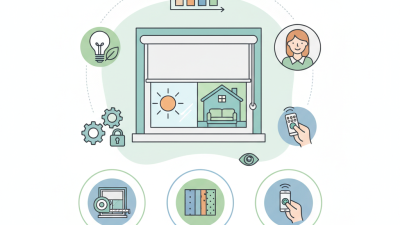
When considering motorized window shades, smart technology integration is essential. These shades can enhance comfort and convenience. Imagine controlling your shades with a simple voice command or through a mobile app. This level of accessibility keeps pace with modern lifestyles.
However, the integration process can be complex. Not all systems are compatible with every smart home setup. Identify your existing devices before purchasing. Ensure that your shades can connect seamlessly to your home automation system. It's worth investing time to avoid future headaches.
Consider how you use natural light during the day. Motorized shades can adjust automatically, based on the time of day or sunlight intensity. This feature adds not only convenience but also energy efficiency. Regularly assess your setup to see if it meets your evolving needs.
How to Choose the Best Motorized Window Shades for Your Home?
| Feature |
Description |
Smart Technology Integration |
Energy Efficiency |
Price Range |
| Remote Control |
Allows for convenient operation from a distance. |
Compatible with many smart home systems. |
Helps reduce energy costs by optimizing sunlight use. |
$150 - $400 per window |
| App Control |
Control shades via smartphone app. |
Works with iOS and Android platforms. |
Can be set to automatically adjust based on time of day. |
$200 - $500 per window |
| Voice Control |
Voice-activated controls for hands-free operation. |
Compatible with Alexa, Google Assistant, and Siri. |
Enhances comfort by managing light without physical interaction. |
$250 - $600 per window |
| Light Sensors |
Automatically adjust to changes in light levels. |
Can sync with your property's energy management system. |
Maximizes energy savings by reducing cooling needs. |
$300 - $700 per window |
| Smart Home Integration |
Can be incorporated into a comprehensive smart home setup. |
Works seamlessly with various smart home devices. |
Optimizes heating and cooling for increased efficiency. |
$400 - $800 per window |
Comparing Costs and Installation Options for Motorized Window Shades
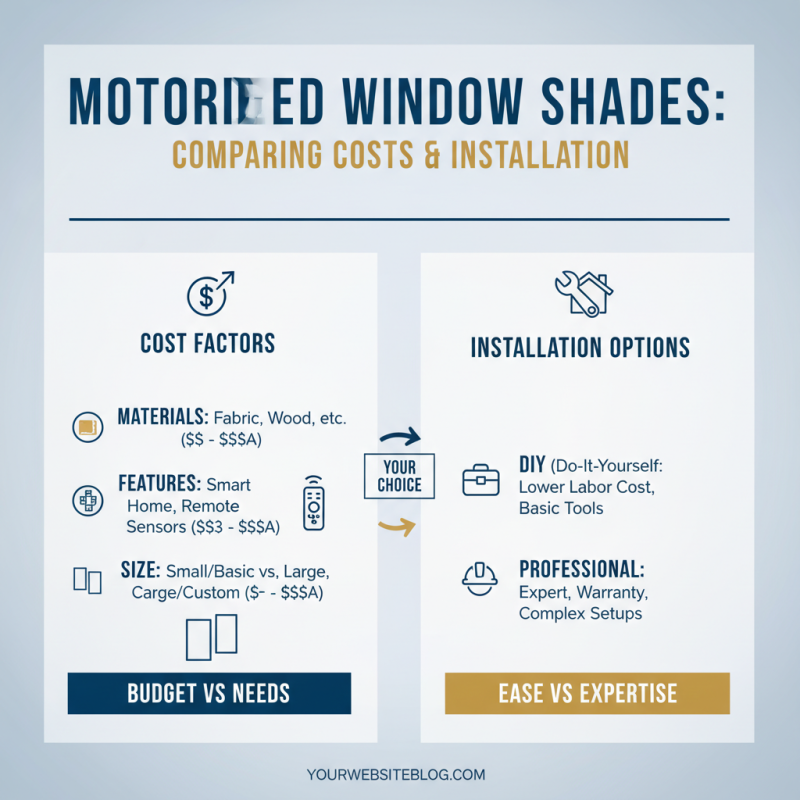
When considering motorized window shades, cost and installation options are crucial factors. The price of these shades can vary significantly based on materials, features, and sizes. Basic models may start at a few hundred dollars, while high-end options can run into the thousands. It’s essential to evaluate what fits your budget while meeting your style and functionality needs.
Installation can either be a DIY project or handled by professionals. DIY installation can save money, but it may lead to errors. You’ll need tools and some technical skills. For those who prefer a hassle-free experience, hiring an expert is a good choice. Professionals can ensure proper placement and functionality, reducing the chance of mistakes. Yet, this route can be pricier, impacting your overall budget.
Before making a decision, reflect on the long-term value of your investment. Do you need a smart home integration? Consider if the added cost justifies the benefits. Think about the maintenance and potential repairs in the future. Overall, careful planning can lead to a satisfactory solution for your home’s shading needs.