How to Choose the Best Remote Control Blinds for Your Home?
Choosing the right remote control blinds can significantly enhance your home’s comfort and aesthetics. With various options available, the task can feel overwhelming. It's essential to consider your specific needs and preferences before making a decision.
When exploring remote control blinds, think about factors such as functionality, style, and the room's lighting. Different materials and designs can dramatically change the atmosphere of your space. For instance, sheer materials allow natural light while providing privacy, whereas blackout options are ideal for bedrooms.
While it's tempting to choose based solely on looks, functionality should be a priority too. How easy is it to operate the remote? Can it integrate with your smart home system? Reflecting on these questions can help in making a well-informed choice. Ultimately, investing time in this decision can lead to a more harmonious living environment.
Understanding the Benefits of Remote Control Blinds for Your Home
Remote control blinds are gaining popularity in modern homes. One key benefit is convenience. With just a click, homeowners can adjust light levels or maintain privacy. According to a study by the American Society of Interior Designers, over 70% of homeowners find automated window treatments enhance their living experience. This ease of operation can be especially helpful for those with mobility issues.
Energy efficiency is another compelling aspect. Automated blinds can help regulate indoor temperatures. The U.S. Department of Energy reports that windows account for 25% to 30% of residential heating and cooling energy use. Installing remote control blinds allows users to optimize their energy consumption, potentially lowering utility costs. However, it's important to choose products that align with your specific needs and window types.
Many users also appreciate the security aspect. Automated blinds can create the illusion of occupancy. A report by Home Security Research found that homes with automated lighting or window treatments are 30% less likely to be targeted by burglars. Yet, while these benefits are significant, selecting the right system can be complex. Assessing your home’s style, window dimensions, and operating mechanisms is crucial for achieving the best results. Balancing aesthetics with functionality may require some trial and error.
Factors to Consider When Choosing Remote Control Blinds
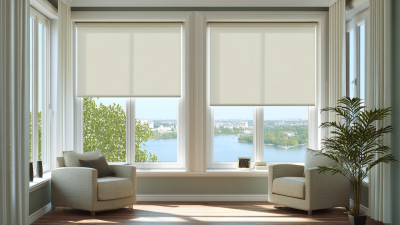
When selecting remote control blinds for your home, consider the fabric type. Different materials affect light filtration and privacy. Sheer fabrics can create a soft ambiance. Darker materials offer better room darkening. Each choice impacts the room's feel.
Next, evaluate the size and fit of the blinds. Accurate measurements are crucial. Blinds should cover the window completely without gaps. An incorrect fit may affect their functionality. Consider the installation method, which can also influence ease of use.
Lastly, think about control options. Some blinds use a hand-held remote, while others can be integrated into smart home systems. Look for reliable connectivity features as this can enhance usability. Reflect on how technology fits your lifestyle. Balancing convenience and practicality is essential when making your choice.
Different Types of Remote Control Blinds Available
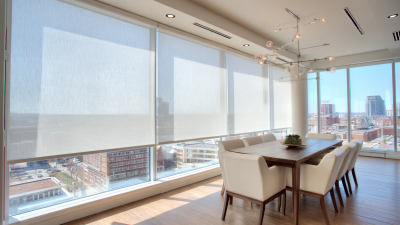
When considering remote control blinds for your home, it's important to explore the different types available. Motorized roller shades are popular for their sleek design and convenience. These shades can seamlessly fit into modern decor while providing effective light control. According to a report from the Window Coverings Association of America, roller shades hold over 30% of the market share in the motorized window treatment sector.
Another option is remote control Roman shades. They combine elegance with functionality, offering a soft fabric feel. These shades can enhance a room's aesthetics while allowing for remote adjustments. Homes with higher ceilings or large windows often benefit from smart blinds. A survey from the American Society of Interior Designers indicates that automated blinds are increasingly preferred in luxury homes, with 40% of homeowners considering them essential for comfort and convenience.
Vertical blinds are also a viable choice, especially for wide windows and sliding glass doors. They provide versatility and are often easier for children and pets to operate. Despite their practicality, some users express frustration over maintenance. Dust accumulation can be a concern, requiring regular cleaning to maintain appearance. It’s wise to weigh these details when making a choice. The right type of remote control blinds should balance functionality, aesthetics, and ease of upkeep.
Evaluating the Compatibility with Your Home's Interior Design
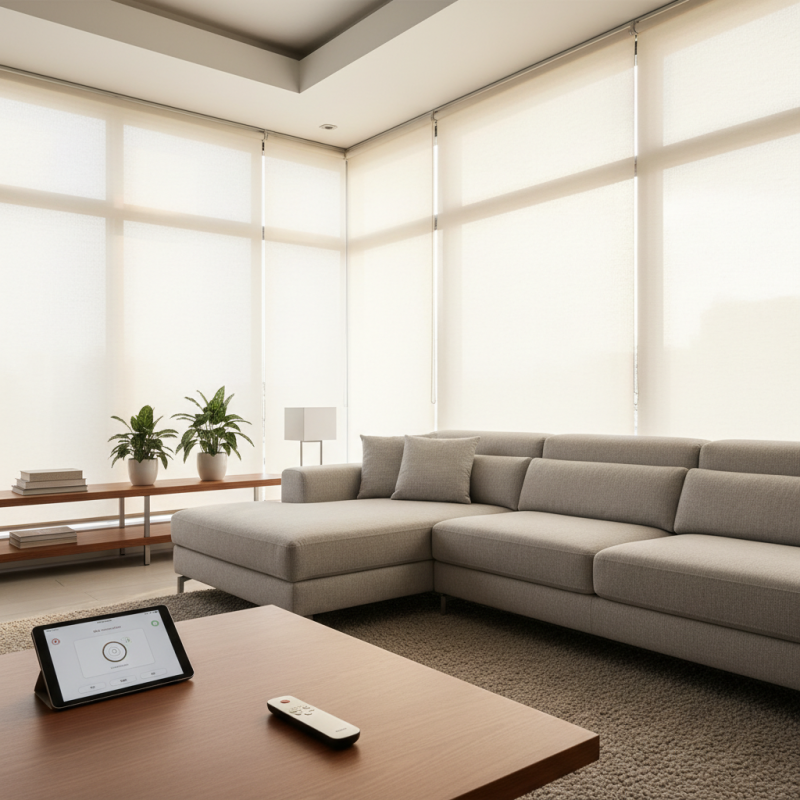
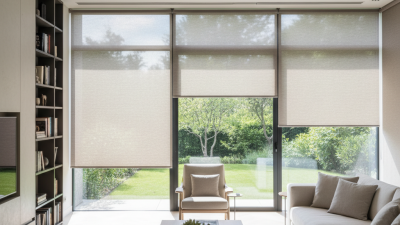
When choosing remote control blinds, it's essential to consider their compatibility with your home's interior design. Start by assessing your overall aesthetic. Are your rooms modern and sleek, or do they lean towards a more traditional look? Blinds should harmonize with existing colors and materials. A minimalist space might benefit from sheer, light-filtering fabrics. These add softness without overpowering the decor.
Take a close look at the texture and patterns of the blinds too. Textured materials can provide depth to a simple room. Geometric patterns can enhance a contemporary feel. Yet, dramatic choices can clash unexpectedly. Make sure to visualize how various options will fit within your space. Sometimes, even small adjustments can completely transform the atmosphere.
Think about the functionality of the blinds as well. How often do you open or close your blinds? A design that matches your routine is vital. Remote control features should blend seamlessly into your lifestyle. It’s worth noting that oversize or heavy blinds could pose challenges in operation. Evaluating all these aspects will lead to a more cohesive look in your home.
Installing and Maintaining Remote Control Blinds Effectively
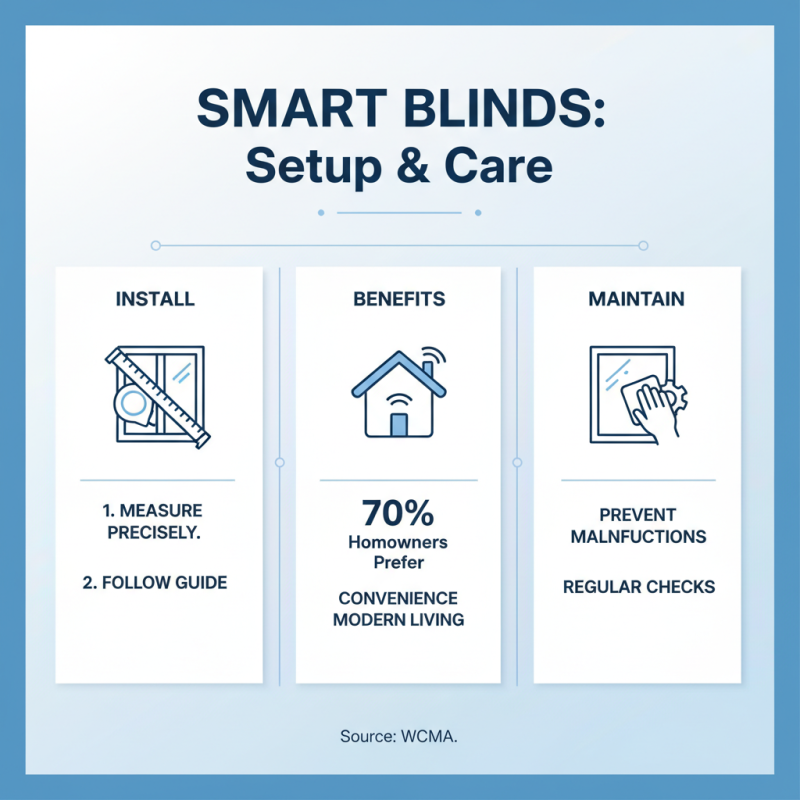
Installing and maintaining remote control blinds effectively can greatly enhance your living space. According to the Window Covering Manufacturers Association, about 70% of homeowners prefer automated solutions for convenience. Proper installation is crucial. Measure your windows accurately to ensure the blinds fit perfectly. Make sure to read the manufacturer’s guidelines carefully. This helps prevent installation mistakes that can lead to malfunctions.
Routine maintenance is just as important. It’s recommended to clean your blinds every few months with a soft cloth or a vacuum attachment. This prevents dust buildup, which can affect motor functionality. Some users neglect this step, causing their blinds to operate less effectively over time. Regularly check the battery life of your remote control, as a weak battery can lead to unreliable performance.
Consider using a smart home system for seamless integration with other devices. A report by MarketsandMarkets indicated that the smart blind market is projected to grow by over 25% annually. However, transitioning can be a challenge. Compatibility issues may arise between different systems. Always stay informed about updates to ensure smooth functioning. A little oversight can lead to frustration and inefficiency.