How to Choose the Best Wood Blinds for Your Home Decor?
When it comes to home decor, selecting the right window treatments can transform a space. Expert designer Lisa Johnson emphasizes, "Wood blinds bring warmth and elegance to any room." The choice of wood blinds not only affects aesthetics but also influences energy efficiency and privacy.
Different styles and finishes can enhance your interior design. However, what might work for one home may not suit another. It’s crucial to consider the unique attributes of your living space before making a decision. For instance, lighter wood blinds can brighten a small room, while darker shades can add sophistication to larger areas.
Researching various options is essential. While wood blinds provide a classic look, they require maintenance. Reflect on whether you have the time for upkeep. Consider your decor style, room function, and overall ambiance. Properly chosen, wood blinds can elevate your home decor, but there’s a need to balance personal taste with practical needs.
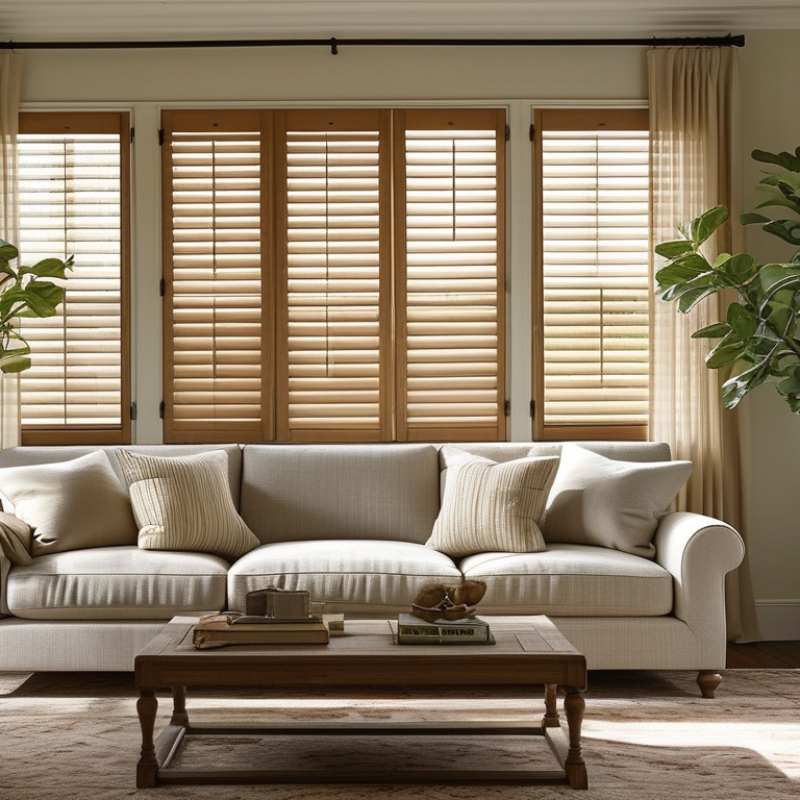
Understanding the Various Types of Wood Blinds Available
When considering wood blinds for your home, it's essential to understand the different types available. Wood blinds can be categorized into natural wood, faux wood, and composite options. Each type offers unique advantages, but their aesthetics and functionality can greatly affect your decor.
Natural wood blinds are crafted from real wood, providing a timeless and elegant look. According to a report by the Window Covering Manufacturers Association (WCMA), these blinds can enhance a room’s atmosphere while providing effective light control. However, they may not be ideal for moisture-prone areas like bathrooms or kitchens. Faux wood options, designed to mimic the appearance of natural wood, withstand humidity better. They are often made of vinyl or composite materials, offering durability without compromising style.
Composite blinds combine features of both wood and synthetic materials. These are typically more affordable than natural wood. However, they might lack the upscale appeal of genuine wood. According to industry research, consumers often prioritize visuals over price, leading to potential buyer's remorse.
Choosing the right wood blinds involves balancing aesthetic desires and practical needs, ensuring you don’t end up with regrets later.
Assessing the Style and Design Aesthetics of Your Home Decor
Choosing wood blinds for your home is not just about functionality. It is also an opportunity to enhance your decor. Start by assessing the style and design aesthetics already present in your home. Does your space lean towards modern minimalism or rustic charm? Identifying your decor style will help you select the perfect wood blinds.
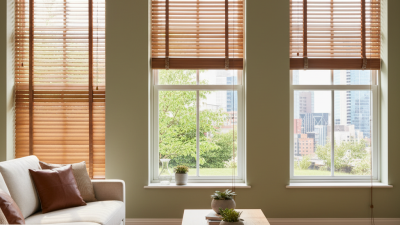
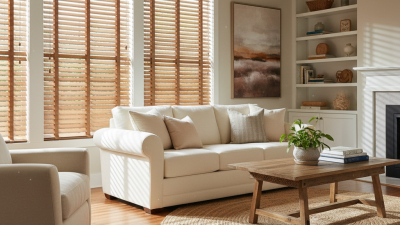
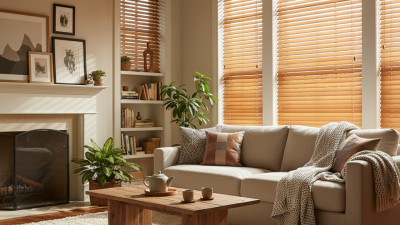
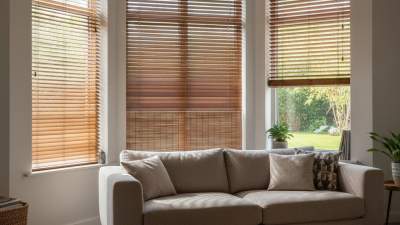
Consider the color and finish of the blinds. Rich, dark woods can add warmth to a bright room. Light-colored blinds can make a small space appear larger and more open. Aim for harmony, ensuring that the blinds complement existing furniture and wall colors. Subtle contrasts can work well, but avoid clashing tones.
Tips: Measure your windows accurately. This simple step prevents the frustration of ill-fitting blinds. Think about your privacy needs. Different styles provide varying levels of light control. Lastly, understand the maintenance required. Some wood finishes may need more care than others. Reflect on these details while choosing, ensuring your final decision aligns with your aesthetic and practical needs.
Evaluating the Quality and Durability of Wood Blinds
When evaluating the quality of wood blinds, start by examining the materials. High-quality wood blinds come from durable hardwoods, such as maple or oak. These materials resist warping and fading, ensuring they maintain their beauty over time. Cheaper alternatives, like particle board or cheap veneers, do not provide the same durability. Sturdiness in the slats is key—they should feel heavy and robust to the touch.
Consider the finish of the wood blinds as well. A good finish helps protect against scratches and moisture. Look for blinds that have a multi-layered finish. This not only enhances color but also adds a layer of protection. While some brands offer great options, it’s advisable to research how their finishes hold up over time. Pay attention to customer feedback, as it often highlights real-life experiences that can guide your choice.
Installation should also be taken into account. Poorly installed blinds can lead to issues like jamming or sagging. Ensure the mechanism functions smoothly before purchase. Even if a set of blinds looks spectacular, if they’re hard to operate, you may regret your decision. Aim for a balance between style and practicality. Your wood blinds should not only elevate your decor but also offer long-lasting reliability.
Quality and Durability Assessment of Wood Blinds
Choosing the Right Color and Finish for Your Wood Blinds
Choosing the right color for wood blinds can dramatically influence your home decor. Light colors can make a room feel airy and spacious. They reflect sunlight, offering brightness even on gray days. On the other hand, dark shades bring warmth and coziness. They create a dramatic effect, perfect for creating a more intimate atmosphere.
Consider your existing decor when selecting a finish. Matte finishes offer a seamless look, blending beautifully with contemporary styles. Glossy finishes, however, can add a touch of elegance and sophistication. Sometimes, blending different finishes might feel right, especially if you have a variety of textures in your space. Open your mind to colors you might initially reject; they could enhance your overall theme.
Reflect on the materials used in your decor. Wood blinds should complement your furniture and other elements. A mismatch can disrupt harmony. It’s worth asking for swatches before committing to a color. Seeing how they look in your own space can be illuminating. Don't rush the decision; take time to envision how the colors and finishes will interact in the long run.
Measuring Your Windows Accurately for Perfect Fit and Installation
Measuring your windows accurately is crucial for selecting the best wood blinds. Start by gathering your tools: a tape measure, pencil, and paper. Measure the width in three places: top, middle, and bottom. This gives you an average width. Windows often have slight irregularities.
Next, measure the height from the top of the frame to the window sill. Again, do this in three spots—left, center, and right. Use the longest measurement for accurate fitting. You might discover discrepancies between the measurements. Don’t fret over it; it's common. Just ensure you are consistent with your method.
Consider the mount type when measuring. Inside mounts require slightly different dimensions compared to outside mounts. An inside mount may need precise measurements of your window frame depth. An outside mount should extend beyond the window frame, adding a fuller look. Taking these details into account ensures your wood blinds fit perfectly and elevate your home decor effectively. Attention to these measurements reflects your commitment to quality and aesthetics in your living space.