Finding reliable roller shades manufacturers in China requires more than comparing prices on a supplier platform. The right partner should combine production experience, consistent quality, clear communication, and dependable export support. This guide explains how to evaluate factories before placing a serious order.
Begin with the details.
A professional manufacturer should provide fabric samples, product specifications, installation drawings, and transparent quotations. Ask about fabric composition, openness factors, tube sizes, control systems, packaging, and available customization. A small sample can reveal uneven edges, weak stitching, color variation, or noisy operation. These details matter in real projects.
Factory verification also deserves careful attention. Review business credentials, production capacity, quality-control procedures, and experience with similar markets. When possible, arrange a video inspection or an independent factory audit. Check whether the supplier can provide relevant test reports and compliance documents for your destination market. Do not rely on copied certificates or attractive showroom photos alone.
Price is important, but it rarely tells the whole story. A low quotation may exclude testing, spare parts, improved packaging, or after-sales support. Request a complete cost breakdown and confirm lead times in writing. Discuss sample approval, production inspections, warranty terms, and remedies for defects before payment.
No supplier is perfect.
Even experienced buyers can overlook communication gaps or unclear tolerances. A written specification sheet reduces that risk. By comparing evidence instead of promises, you can identify roller shades manufacturers with stronger capabilities, realistic delivery plans, and a more reliable foundation for long-term cooperation.
Before searching for roller shades manufacturers in China, define the product you actually need. Record window dimensions, mounting type, fabric openness, color range, and light-control goals. A bedroom may require blackout fabric, while a sunny office may need glare reduction. Moisture-resistant materials suit bathrooms and coastal properties. Small details matter.
Your target market should shape every specification. For rental housing, prioritize simple operation, durable fabrics, and affordable replacement parts. For hotels, consider quiet motors, consistent colors, and easy cleaning.
High-end residential buyers may expect custom sizes, premium textures, and smart control. Also check local installation habits and climate conditions. A heavy shade can fail on a weak mounting surface.
My early product brief was too broad, and supplier quotations were difficult to compare. I corrected it with a clear requirement sheet and measurable tolerances. Ask for fabric samples, test reports, packaging details, and production timelines. Confirm whether measurements include brackets, tubes, and control components. Request a pilot order before committing to larger quantities. Inspect stitching, tube alignment, chain movement, and surface finish. Do not rely on attractive photographs alone. Real samples often reveal unexpected color shifts. That was an uncomfortable lesson. Track defects and customer feedback after installation, then adjust the next specification.
China’s roller shades industry is concentrated in several practical manufacturing regions. Zhejiang, especially around Ningbo, Huzhou, and Hangzhou, offers strong textile supply chains and experienced window covering workshops. Many factories here produce sunscreen fabric, blackout fabric, zebra shades, and manual roller systems.
Guangdong is another important area. Foshan and nearby cities are known for aluminum processing, hardware, motorized components, and export-oriented assembly. This makes the region useful when a project requires coordinated fabric, tubes, brackets, and control systems. Jiangsu, including Suzhou and surrounding cities, also deserves attention. Its factories often show better process control and stable quality management. However, regional reputation is not proof of factory capability. I have seen attractive samples hide weak stitching, uneven tube cutting, or inconsistent fabric batches. A careful review remains necessary.
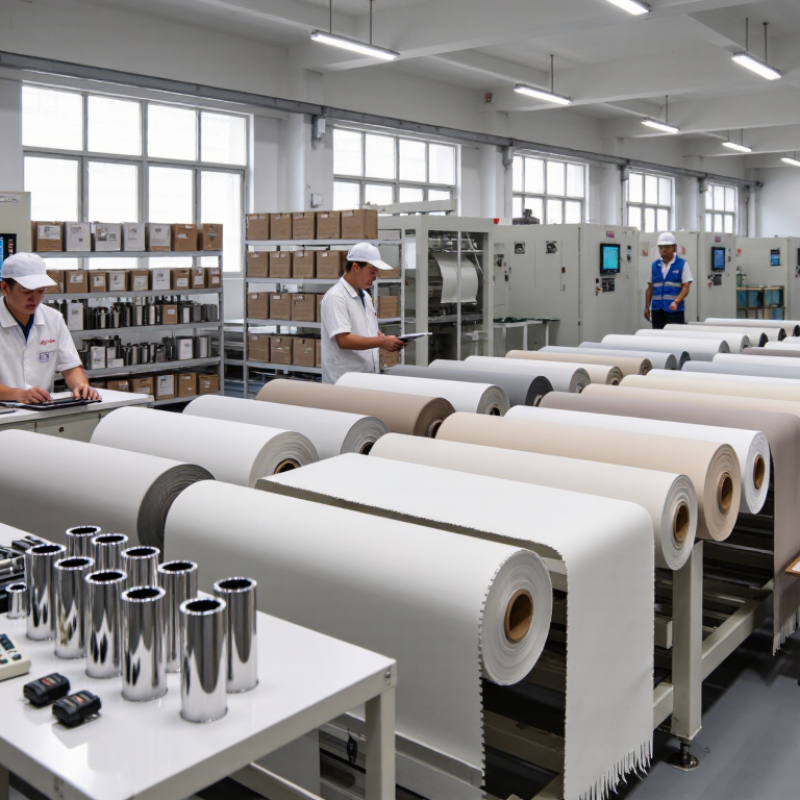
Tips: Ask suppliers for factory videos, material specifications, and recent production photos. Request samples from different batches. Check shade width tolerance, fabric openness, chain operation, and mounting strength. For motorized products, confirm testing records and compatible voltage before placing an order. Visiting the factory can reveal storage conditions, worker training, and whether assembly is genuinely performed onsite. Do not judge by location alone. Compare at least three manufacturers, and record every promise in the purchase specification. Small details matter.
How to Find Top Roller Shades Manufacturers in China?
When evaluating roller shades manufacturers in China, inspect quality beyond product photos. Request fabric samples, tube samples, and finished shades from the same production line. Check edge cutting, stitching, coating consistency, and smoothness during repeated operation. A reliable manufacturer should explain material specifications, light-control performance, color fastness, and expected service life. Ask for inspection records and traceability documents. These details show practical experience, not just sales language.
Certifications also require careful verification. Confirm that certificates match the exact product, factory, and current production period. Safety reports should cover cords, operating systems, fabrics, and chemical limits where applicable. Production capacity matters equally. Visit the facility if possible, or request a live video inspection of cutting, assembly, testing, and packing areas. Review monthly output, equipment condition, quality-control staffing, and backup production plans. A large factory is not automatically dependable. I have seen capacity claims change after a detailed order review.
Tips: Compare samples from three manufacturers under identical light and operating tests. Ask how they handle defects, delayed materials, and urgent replacements. Request a small trial order before scaling up. This step may feel slow, but it reveals communication gaps and process weaknesses early. Also, leave room for honest uncertainty; factory audits and certificates cannot predict every shipment problem. Regular inspections remain necessary.
Evaluate manufacturers by quality, certifications, and production capacity.
This practical screening model assigns the greatest weight to product quality and production capacity, while certifications provide independent evidence of process control, material safety, and export readiness. Request documented test reports, current certificates, factory audit records, and verified production figures before selecting a supplier.
How to Find Top Roller Shades Manufacturers in China?
A reliable search starts with detailed price comparisons, not the lowest quotation. Ask each manufacturer to separate fabric, tube, brackets, packaging, tooling, inspection, and shipping costs. This exposes hidden charges. Request prices for several quantities, such as 100, 500, and 1,000 units. A large price difference may reflect fabric quality or weaker components. Always order a physical sample before approving bulk production. Check the shade’s smoothness, stitching, color, and mounting strength. It takes time, but it prevents expensive surprises.
Customization requires more than choosing a fabric color. Discuss dimensions, blackout levels, openness factors, control systems, bottom rails, labels, and packaging. Ask for technical drawings with measurements and tolerances. Standard products may ship within two to three weeks, while customized orders often need four to eight weeks. Confirm the production schedule in writing. Include sample approval, material purchasing, manufacturing, inspection, and shipping. Plans can change. Even careful buyers sometimes underestimate seasonal delays or fabric shortages.
Communication often reveals manufacturing discipline. Send clear drawings, reference photos, color codes, and packing instructions. Evaluate whether the supplier answers technical questions directly. Fast replies are not enough. Ask for progress photos, inspection records, and a video call from the workshop when appropriate. One practical mistake is changing specifications after production begins. It can create rework, delays, and inconsistent shades. A dependable manufacturer should explain risks instead of promising everything immediately. Keep written records of every revision, approval, and delivery commitment.
| Supplier Profile | Typical Ex-Factory Price* | Standard Product Range | Customization Capability | Minimum Order Quantity | Sample Lead Time | Bulk Production Lead Time | Communication & Service | Best Fit For |
|---|---|---|---|---|---|---|---|---|
| Supplier A ★★★★★ |
US$7.50–18.00 per m² for manual fabric shades |
Blackout Sunscreen Light-filtering |
High Custom widths, fabrics, tube sizes, bottom rails, packaging, and private-label labels |
100–300 units per fabric/color | 7–12 working days | 25–35 working days after sample approval | English email and messaging support; technical drawings and quotation typically provided within 1–2 working days | Importers requiring broad fabric selection and private-label production |
| Supplier B ★★★★☆ |
US$6.00–14.50 per m² for manual fabric shades |
Polyester PVC sunscreen Basic blackout |
High Made-to-measure dimensions, printed fabrics, motorized options, and carton customization |
200–500 units per design | 8–15 working days | 30–45 working days | Responsive sales contact; communication is strongest when specifications are supplied in a structured purchase sheet | Mid-sized distributors balancing customization and price |
| Supplier C ★★★★☆ |
US$4.80–11.00 per m² for economy manual shades |
Standard blackout Roller blinds Chain-operated |
Medium Standard fabrics and hardware; limited options for special colors and uncommon dimensions |
300–800 units per specification | 5–10 working days | 20–30 working days for repeat designs | Competitive pricing and fast replies during order placement; follow-up may require more frequent reminders | Retailers focused on high-volume, cost-sensitive programs |
| Supplier D ★★★★☆ |
US$12.00–32.00 per m² for motorized shades |
Motorized Smart-home compatible Blackout |
High Motor types, remote controls, rechargeable batteries, control systems, and custom fabric sizes |
50–100 units per motor model | 10–18 working days | 35–50 working days | Better technical support than general-purpose factories; electrical specifications and compatibility must be confirmed before production | Residential and commercial projects requiring automated window coverings |
| Supplier E ★★★☆☆ |
US$5.50–13.00 per m² for manual fabric shades |
Basic sunscreen Light-filtering Decorative fabrics |
Medium Good fabric variety; fewer options for custom hardware, special packaging, and complex project requirements |
100–300 units per color | 10–15 working days | 30–40 working days | Suitable for routine orders; response quality may vary between sales representatives and product categories | Small wholesalers testing new designs or regional markets |
| Supplier F ★★★☆☆ |
US$8.00–20.00 per m² for commercial-grade shades |
Fire-retardant Contract fabrics Large-size shades |
High Commercial fabric certificates, reinforced components, large widths, and project-based packaging |
50–150 units per project specification | 12–20 working days | 40–60 working days | Project documentation is generally available; approval stages can be slower because of compliance and quality checks | Hotels, offices, healthcare facilities, and contract interior projects |
Recommended comparison criteria: request the same product specifications from each supplier, confirm fabric and hardware samples, verify production capacity, clarify the definition of lead time, and obtain a complete quotation with Incoterms and payment terms.
Finding a capable roller shades manufacturer requires more than comparing catalog photos and low quotations. Request physical samples before discussing large volumes. Examine fabric openness, coating, color consistency, tube strength, and operating smoothness. Measure the finished width and drop yourself. Small errors become expensive at scale. Ask for sample labels, material specifications, and a written quotation showing packaging and tolerances. Test samples in a real window, not only under showroom lights. Blackout fabric may leak light around the edges.
A factory audit should verify capacity, not just appearance. Review cutting, sewing, assembly, and final inspection areas. Check whether production records match the claimed equipment and workforce. Ask how defects are logged and corrected. Inspect incoming-fabric storage for moisture, dust, and mixed lots. Confirm that critical components can be traced to purchase records. Request recent quality reports and relevant compliance documents. A polished showroom can mislead. If access is limited, use an independent auditor and require dated photographs. Do not accept copied certificates without checking issuer details.
Use a controlled trial order before committing to a container. Include several sizes, fabrics, colors, and control types. Record delivery time, carton damage, dimensions, noise, and installation experience. Ask an installer to document every adjustment. Compare actual results with approved samples and drawings. One weak corner weld or uneven hem deserves investigation. Keep communication in writing. Suppliers should explain changes before production, not after shipment. My sourcing reflection is simple: a fast quote feels efficient, but clear evidence is more valuable. Leave room for rework, because first trials rarely expose every production weakness.