What is Remote Control Blinds and How Do They Work
In recent years, the demand for remote control blinds has surged, driven by the increasing need for convenience and energy efficiency in modern households and workplaces. Industry reports indicate that the global smart blinds market is expected to grow at a compound annual growth rate of over 25% from 2023 to 2030. This growth is largely fueled by advancements in smart home technology and the rising popularity of integrated home automation systems. Remote control blinds not only provide users with the ability to adjust light levels with the push of a button but also enhance energy savings by optimizing natural lighting throughout the day.
According to Dr. Emily Carter, a leading expert in smart home solutions, "Remote control blinds represent a significant leap in home automation; they allow users to tailor their environment effortlessly, contributing to both comfort and sustainability." As advancements in technology continue to evolve, remote control blinds are becoming an integral part of the smart home ecosystem, combining aesthetics with functionality. Users are increasingly recognizing the benefits of these innovative solutions, which provide not just convenience but also personalized control over their living spaces. The fusion of innovation and practicality in remote control blinds positions them as a key element in the future of home design and energy management.
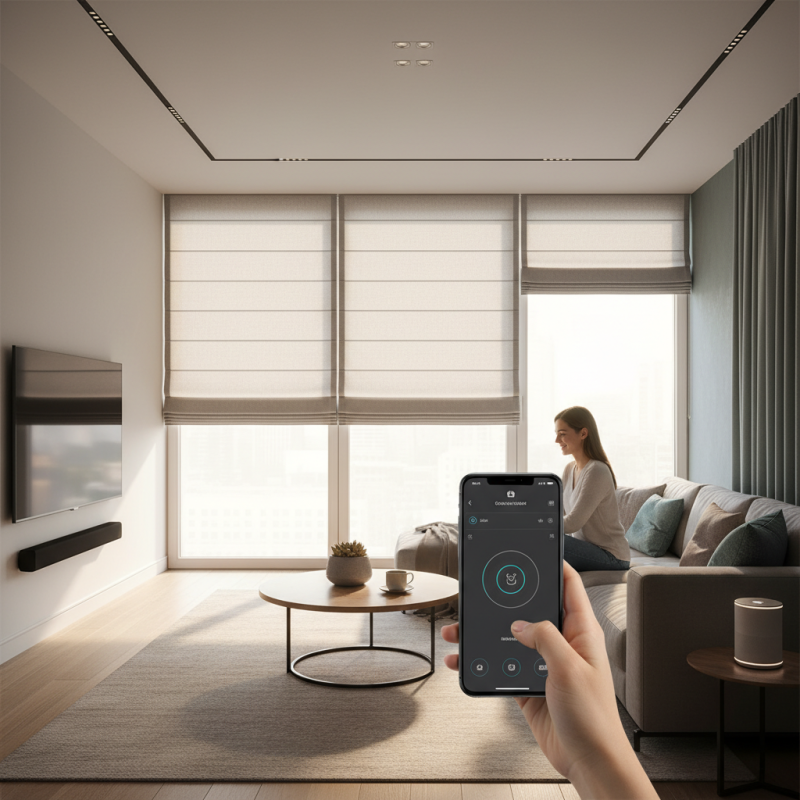
What Are Remote Control Blinds?
Remote control blinds are an innovative window treatment that combines convenience with modern technology. Designed to provide effortless control over light and privacy, these blinds can be operated from a distance using a remote or smart home system. Typically powered either by battery or hardwired directly into a home’s electrical system, they offer users the ability to adjust the position of the blinds without the need to physically manipulate them.
The workings of remote control blinds rely on motors embedded within the blind mechanisms. When a user presses a button on the remote, a signal is sent to the motor, prompting it to open or close the blinds according to the desired setting. Many of these systems come with additional features, such as programmable timers or integration with home automation systems, which can enhance the user experience by allowing for scheduled operation or integration with other smart devices. Overall, remote control blinds not only elevate the aesthetics of a space but also provide practical benefits in terms of energy efficiency and home security.
Types of Remote Control Blinds Available
Remote control blinds have revolutionized the way we manage natural light and privacy in our homes. With advanced technology, these blinds can be operated at the touch of a button, providing convenience and enhancing the overall aesthetic of a room. When it comes to types of remote control blinds available, there are several options to choose from, each catering to different preferences and needs.
One popular option is motorized roller blinds, which offer a sleek and modern appearance. These blinds roll up and down seamlessly and can be customized in various fabrics and colors to match any décor. Another type is motorized vertical blinds, ideal for large windows or sliding doors. These minimize light gaps and allow for easy adjustment of light levels while providing a smooth and sophisticated look. For those seeking a softer feel, remote control Roman shades combine elegance with functionality, folding neatly when raised and offering a variety of textile options.
Additionally, smart blinds have emerged as a cutting-edge choice, integrating with home automation systems for even greater control. Users can program these blinds to operate according to time of day, weather conditions, or even remotely via smartphone apps. This not only enhances energy efficiency by allowing optimal use of natural light but also adds an extra layer of security when homeowners are away. With these varied options, remote control blinds cater to a wide range of styles and functional needs, making them an ideal addition to modern living spaces.
Types of Remote Control Blinds and Their Popularity
How Remote Control Blinds Operate Mechanically
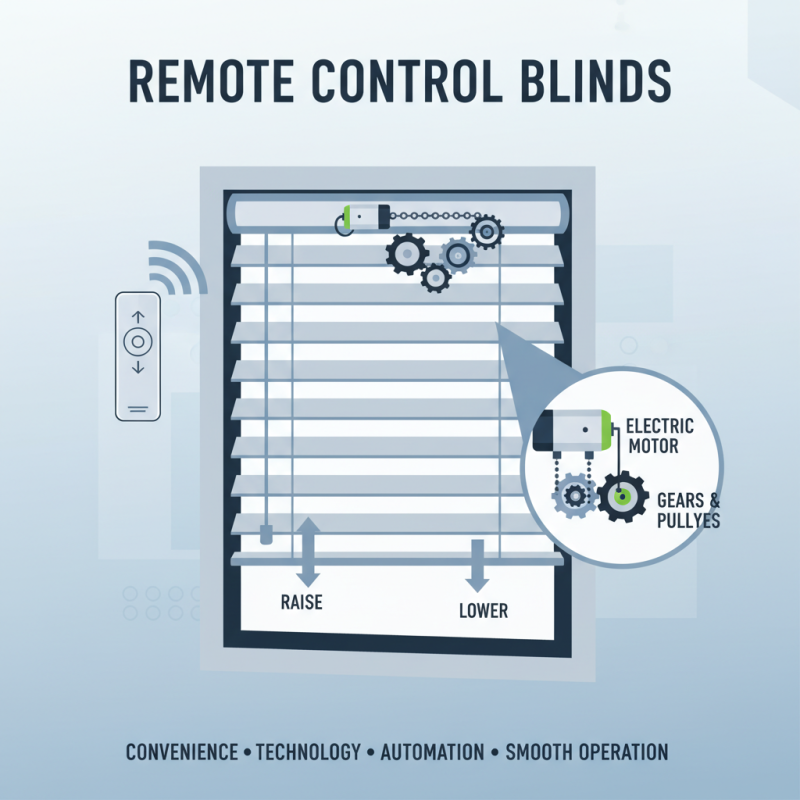
Remote control blinds are an innovative solution that combines convenience with advanced technology to enhance modern living spaces. Mechanically, these blinds operate through a system of gears and motors that facilitate smooth movements of the blinds in response to commands received from a remote control device. At the heart of the system is an electric motor that is typically connected to the window treatment by a series of pulleys or chains.
When a user presses a button on the remote, a signal is sent to the motor, instructing it to either raise or lower the blinds. This process is facilitated by the mechanical components—such as the roller, brackets, and louvers—that work in unison to ensure the blinds open and close with precision. Some systems may include additional features like timers or sensors that automatically adjust the blinds based on the time of day or the amount of sunlight entering the room. This level of automation not only adds a layer of comfort but also promotes energy efficiency by allowing homeowners to control light and privacy effortlessly.
Benefits of Using Remote Control Blinds in Your Home
Remote control blinds have gained popularity in modern homes due to their convenience and enhanced functionality. One of the primary benefits of using remote control blinds is the ability to adjust natural light levels with ease. According to a report by the American Society of Interior Designers, 70% of homeowners prefer automated window treatments for their ability to regulate light, reducing glare and increasing comfort throughout the day. This functionality not only enhances the aesthetics of a space but also contributes to energy efficiency by minimizing reliance on artificial lighting.
In addition to light control, remote control blinds offer improved privacy and security. A survey by the Window Covering Manufacturers Association indicates that 65% of respondents felt more secure with automated blinds, as they can be programmed to open or close at specific times, giving the appearance that someone is home even when they are not. This feature is especially valuable for vacation homeowners or busy professionals who may spend extended periods away from their residence. Furthermore, remote control options allow for seamless integration with smart home systems, significantly boosting the overall value and appeal of a property.
Installation and Maintenance Tips for Remote Control Blinds
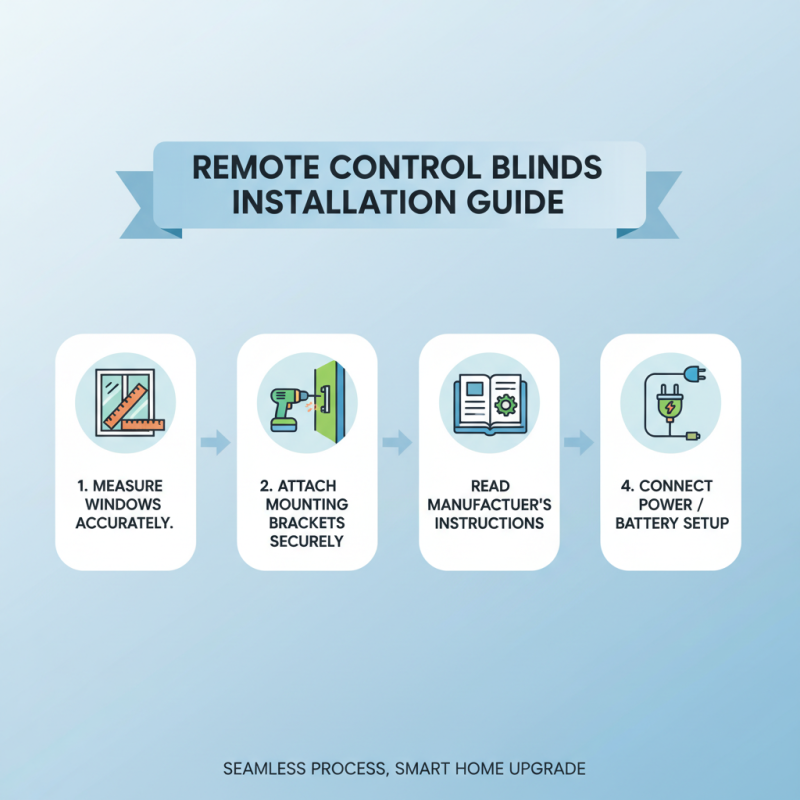
When it comes to installation of remote control blinds, careful planning and execution can ensure a seamless process. First, it’s essential to measure the window dimensions accurately, as this will determine the size of the blinds needed. Most remote control blinds come with mounting brackets, which should be securely attached to the window frame or wall. It’s advisable to read the manufacturer’s instructions thoroughly for specific steps. Depending on the type of blinds, you may need to connect the blinds to a power source or set up the battery compartment.
Maintenance of remote control blinds is crucial for their longevity and functionality. Regularly dusting the blinds with a soft cloth will help keep them clean and prevent dirt buildup. For blinds with fabric, using a vacuum with a brush attachment can remove any allergens or debris. Additionally, checking the remote control’s battery periodically will ensure smooth operation. If you notice any issues with the mechanics or the remote connectivity, consulting the troubleshooting section of the user manual can provide quick solutions to minor problems. Proper care and maintenance will keep remote control blinds operating effectively for years to come.