What Are the Best Types of Vertical Blinds?
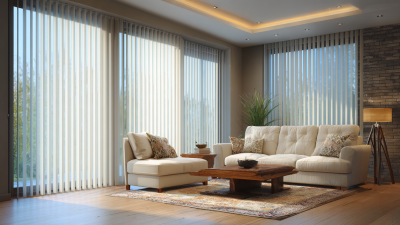
Vertical blinds are not one-size-fits-all. Their long, adjustable slats suit wide windows and sliding glass doors. The right choice depends on the room, light, and daily use. A sunny living room may need glare control without losing daylight. A busy kitchen may call for a surface that wipes clean easily. Small details matter.
This guide compares popular vertical blinds by material and practical performance. Fabric vanes offer a softer texture and many colors, though some fabrics collect dust or need gentler care. PVC and vinyl options are often easy to clean and handle moisture well, but quality and appearance vary. Aluminum vanes create a crisp, streamlined look; they can also feel less warm in a relaxed space. Textured or faux-wood finishes bring visual depth, yet their weight and cost may not suit every opening. There is no universal winner.
Look beyond the sample swatch. Check vane width, stack direction, control style, window measurements, and how much privacy you need at night. Ask the supplier about materials and cleaning, and compare warranties rather than relying on broad claims. If possible, view a full-size sample beside your actual window. It can change your decision. The most suitable option balances appearance with maintenance, durability, and light control—not just the lowest price. Some trade-offs are easy to miss until installation, so measure carefully and consider how the room is really used.
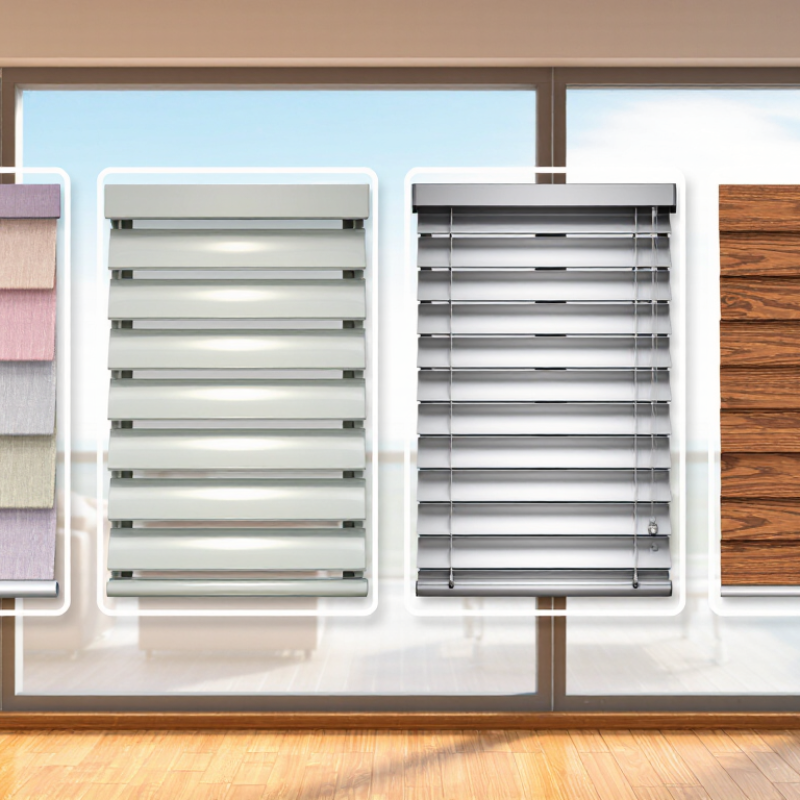
Classify Vertical Blinds by Vane Material, Track, and Operating System
Vertical blinds are best compared by vane material, because each surface behaves differently in daily use. PVC vanes wipe clean easily and suit kitchens or busy family rooms, though they can feel rigid and clack when moved. Fabric vanes soften echo and light, but textured weaves may collect dust. Aluminum is light and crisp, yet can bend if handled roughly. Small details matter.
Track design affects how neatly the blinds fit. A straight track works for most wide windows and sliding doors. Curved or bendable tracks can follow bay windows, but measurements must match the window’s angles. Check the stack direction, too: vanes can gather to one side or split in the middle. A few centimeters can change whether a door handle clears the stack. Not always obvious.
Operating systems range from cord-and-chain controls to a wand or motorized movement. Cords and chains are familiar, but dangling controls may snag or tangle; wand systems keep operation simple. Motorized systems help with tall or hard-to-reach windows, though they add cost and require charging or wiring. The U.S. Department of Energy’s Energy Saver guidance estimates that windows account for about 25–30% of home heating and cooling energy use. That figure covers windows, not vertical blinds alone. Blinds can help manage glare and solar heat, but fabric, fit, and how often vanes are adjusted all affect the result. I would not choose a blackout label as a substitute for checking the actual room light.
Compare Common 3.5-Inch and 5-Inch Vane Widths for Light Control
The best vertical blind vane width depends on the window, the view, and how precisely you want to manage daylight. Standard 3.5-inch vanes create more vertical lines across a wide patio door. They can feel visually busy, but their narrower spacing lets you adjust light in smaller increments. Five-inch vanes leave broader openings between slats when tilted, giving a cleaner look and a wider view. They may also create brighter bands on the floor. That matters.
Width alone does not determine performance. The U.S. Department of Energy’s Energy Saver guidance says highly reflective blinds, fully closed on a sunny window, can reduce heat gain by around 45%. That figure describes reflective blinds generally, not a measured comparison of 3.5-inch and 5-inch vanes. Fabric opacity, vane color, window direction, and gaps at the edges all affect results. For a west-facing room, test samples at the actual window during late-afternoon sun. For a screen-facing room, wider vanes may preserve more view, though they can admit stronger light bands. Not a guarantee. I would compare both widths in place; showroom lighting makes this choice look easier than it is.
What Are the Best Types of Vertical Blinds? - Compare Common 3.5-Inch and 5-Inch Vane Widths for Light Control
| Comparison |
3.5-Inch Vanes |
5-Inch Vanes |
| Light control |
More, narrower vanes offer finer adjustment across the window. Light control also depends on vane overlap, angle, and how closely the track fits the opening. |
Wider vanes can cover more area per vane. Tilting them changes the light entering the room, though the result depends on overlap and installation. |
| View through the blinds |
The narrower profile creates more vertical divisions when the vanes are partly open, which may break up the view more. |
Fewer, wider vanes can create a less segmented view when open, depending on their angle and spacing. |
| Privacy when closed |
Can provide privacy when the vanes overlap and are positioned correctly. Check the product’s specified overlap and edge coverage. |
Can also provide privacy when properly overlapped. Vane width alone does not determine whether a blind is light-blocking. |
| Overall appearance |
Often suits smaller windows or rooms where a finer, more detailed vertical pattern is preferred. |
Often gives larger windows a broader, simpler look with fewer visible vertical divisions. |
| Best suited to |
People who prefer more precise vane-by-vane adjustment or a narrower visual profile. |
People who prefer wider panels and a more open-looking view when the blinds are tilted aside. |
| What to check before choosing |
Confirm the track supports this vane size, and compare the finished vane coverage and overlap with the window dimensions. |
Confirm the track supports this vane size, and check clearance, stack space, and how the wider vanes will look on the window. |
Note: Vane width is only one factor in light control. Fabric opacity, vane overlap, track fit, installation, and the direction of the vanes also affect light and privacy.
Assess Fabric, PVC, and Aluminum Vanes for Durability and Maintenance
Fabric, PVC, and aluminum vertical blind vanes each handle daily wear differently. Fabric softens a room and comes in varied textures, but woven surfaces can hold dust and may stain from splashes. A gentle vacuum with a brush attachment helps; check the care label before spot-cleaning. Small stains can be stubborn.
PVC vanes are practical in kitchens and other areas where wiping is useful. A damp cloth usually removes fingerprints and light grime, though harsh scrubbing can mark the surface. Heat and strong sunlight may cause some PVC to warp or fade over time, depending on its quality and exposure. Aluminum is light and easy to wipe, and it resists moisture well. However, a sharp knock can dent or crease a vane, and those marks may be difficult to hide. The most durable choice depends on the room, not just the material.
Tips: Match vanes to actual conditions. For a sunny window, check UV resistance; near cooking areas, prioritize wipe-clean surfaces. Move a sample through the space before choosing. Colors can look different at home.
What Are the Best Types of Vertical Blinds?
A practical comparison of fabric, PVC, and aluminum vanes for durability and routine cleaning.
PVC is generally easy to wipe clean, while aluminum is also wipeable but can dent or bend. Fabric vanes may need more careful cleaning. Ratings are indicative comparisons on a 1–5 scale, not laboratory test results; performance varies by product and use.
Match Blind Types to Wide Windows, Sliding Doors, and Moisture-Prone Rooms
For wide windows, vertical blinds work well because their long vanes cover broad openings without creating a heavy stack of fabric. Fabric vanes soften daylight and reduce glare on a television screen. Vinyl or other washable materials are easier to wipe clean, though they can feel less warm in a living room. Choose a track that allows the vanes to stack away from the main view or opening. Check which side the stack gathers on before ordering; it can block a favorite corner of the window.
Sliding doors need blinds that move clear of the handle and traffic path. A split draw, with vanes opening from the center, can keep access convenient, while a one-way draw may suit a door used mostly from one side. Measure the full track width and door height, including any nearby trim. Measure twice. Even a small error can leave light gaps or make the vanes drag against the floor. That detail is easy to overlook.
In kitchens, bathrooms, or laundry rooms, moisture-resistant vinyl or treated fabric is generally more practical than absorbent, untreated cloth. Ventilation still matters: trapped humidity can encourage mildew around tracks and window frames, even when the blind itself is washable. Wipe vanes with a damp cloth and let them dry fully before closing them. They need room. A practical compromise is worth considering: easy-clean materials handle splashes, but may not provide the soft appearance some rooms need.
Check Corded Controls Against ANSI/WCMA A100.1-2022 Safety Requirements
What Are the Best Types of Vertical Blinds?
When comparing vertical blinds, look beyond slat material and light control. The operating system matters too. A corded control may feel familiar, but dangling loops can create hazards, especially in rooms where children spend time. I still find this detail easy to overlook when comparing colors and fabrics.
Check the exact product against ANSI/WCMA A100.1-2022, the window-covering safety standard. Ask the seller or manufacturer for documentation showing which requirements apply to that model and control type. Don’t assume every corded design uses the same safety features. Look for instructions on securing any tension device to the wall or floor, and follow them during installation. A loose device may not control the cord as intended.
Inspect the finished blind at child height. Are cords looped, reachable, or able to form a loose coil near the floor? Keep beds and furniture away from them. A quick tug is not a safety test. If the documentation is unclear, pause and get advice before buying. Cordless or motorized controls may reduce exposed-cord concerns, but their suitability depends on the room, installation, and user needs.