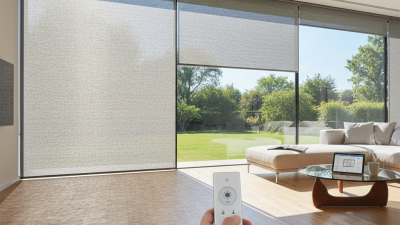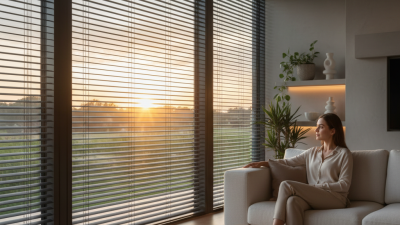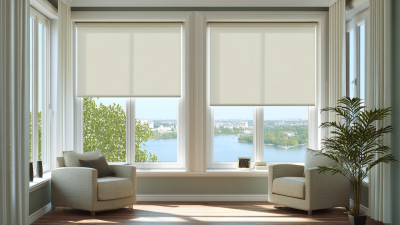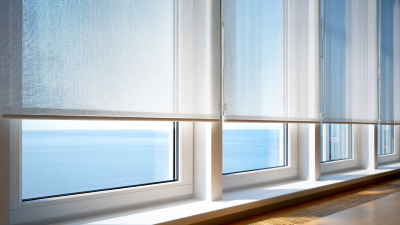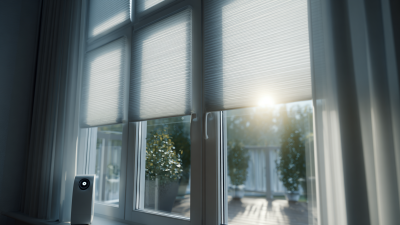
Choosing the right automatic blinds for windows can transform your space. These innovative window treatments offer convenience and style. With numerous options available, making a choice can feel overwhelming.
Consider your needs carefully. Do you want privacy, light control, or energy efficiency? Different types of automatic blinds for windows cater to different preferences. For instance, blackout blinds can enhance your sleep environment, while sheer options provide gentle light diffusion.
Budget is also a big factor. Higher-end models often come with advanced features, but can be pricey. Reflect on how much you are willing to spend. By considering aesthetics, functionality, and budget, you will be better equipped to find the perfect fit for your home.
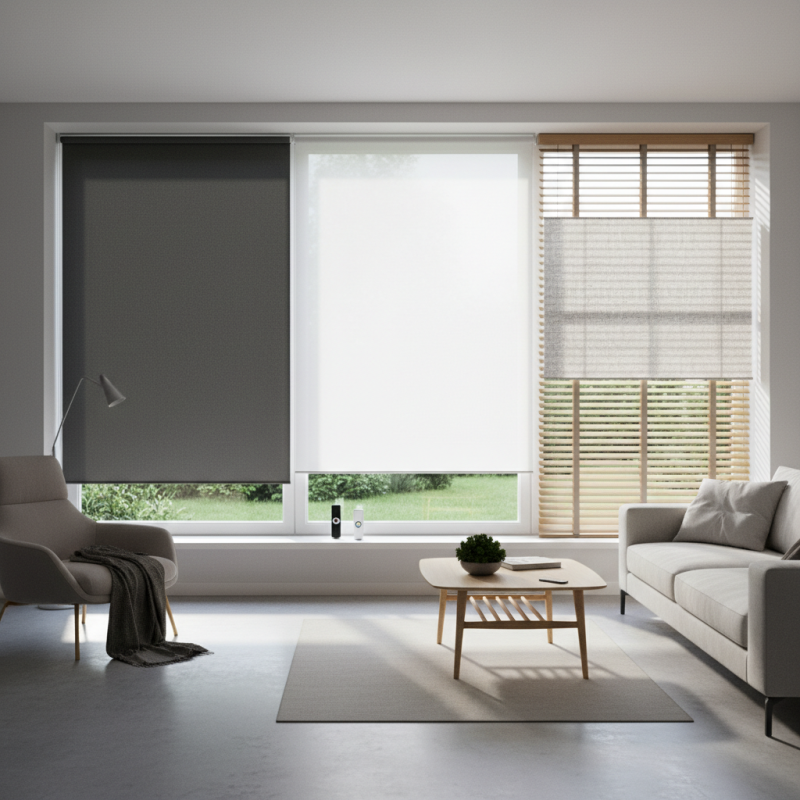
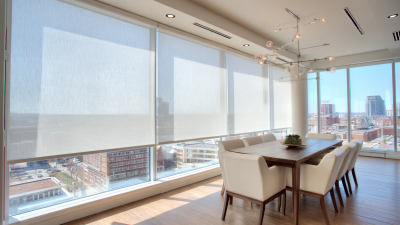
When considering automatic blinds, it’s vital to understand the various types available. Roller blinds are a popular choice. They offer a clean look and fit most window styles. These blinds can be easily controlled and come in various transparency options. However, they may struggle with thicker windows.
Another common option is cellular shades. They provide excellent insulation and come in varied colors. Their unique design traps air, keeping rooms warm. However, cleaning them can be a hassle. Motorized faux wood blinds mimic traditional wooden blinds, offering style and durability. Yet, they are often heavier and might need more frequent adjustments.
It’s also essential to consider your specific needs. For example, if you have large windows, lightweight options might be better. If privacy is a concern, shades that block light completely can work well. Each type has pros and cons, requiring thoughtful reflection and planning before making a purchase.
When selecting automatic blinds for your home, consider key features that will enhance your living space. Look for programmable settings. This allows you to preset times for the blinds to open or close. It’s convenient but can be tricky if you forget the schedule. Think about remote control options, too. Some systems offer smartphone apps, which can be handy but may lead to dependency on devices.
Another important aspect is the material. Choose blinds that suit your climate and aesthetic. Fabric options provide warmth but can fade over time. Metal or vinyl blinds are durable but might not offer the same elegance. Consider energy efficiency, as well. Automatic blinds can help regulate temperature, but not all options are created equal. Research their insulation properties.
Finally, assess the ease of installation. Some automatic blinds are user-friendly, while others require professional help. Measure your windows accurately to avoid frustration. Keep in mind that the best choice for one person may not work for another. Your lifestyle and preferences matter. Don't rush the decision; take time to evaluate your needs.
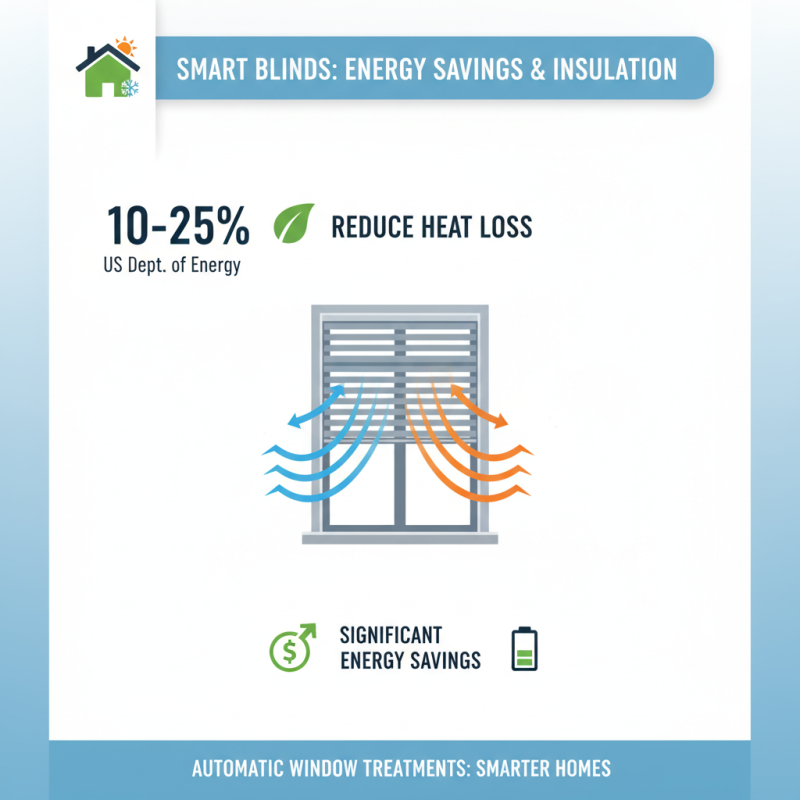
When considering automatic blinds, energy efficiency and insulation properties are crucial factors. According to a report by the U.S. Department of Energy, effective window treatments can reduce heat loss by 10 to 25%. This translates into significant energy savings over time.
Choose blinds with high insulation ratings. Look for options with a double-cell structure, which improves thermal performance. These designs can offer up to 30% better insulation compared to basic models. Additionally, consider materials that reflect sunlight. Reflective fabrics can keep rooms cooler during hot months while retaining warmth in winter.
Select blinds equipped with smart features. Timers and sensors can adjust blinds based on sunlight exposure. This automation ensures optimal energy efficiency throughout the day. Pay attention to the R-value, a measure of insulation effectiveness. Aim for blinds with an R-value of 3.0 or higher for maximum benefits.
While automatic blinds offer many advantages, they are not a one-size-fits-all solution. Customization may be necessary to fit your specific needs. Don't overlook potential issues such as mechanical failures, which could impact their efficiency. Always weigh the pros and cons carefully before making a decision.
When selecting automatic blinds, compatibility with smart home systems is crucial. A 2022 report found that over 50% of homeowners prefer smart home integration. This preference highlights the need for automated window coverings to seamlessly connect with existing devices. Many blinds now feature options that pair with voice control systems, enhancing convenience. However, not all brands offer the same compatibility. Some may require additional hubs, complicating installation.
Remote controls are another essential aspect. Many automatic blinds come with their dedicated remotes. However, some users find these remotes cumbersome. A 2023 survey revealed that 30% of users felt frustrated with extra devices. Choosing automated blinds that can integrate into a universal remote or a smartphone app can ease this burden. This option allows for smoother operation and better user experience.
Overlooked features like scheduling and energy efficiency also deserve attention. Smart blinds can adjust based on sunlight, saving energy. A recent study showed automated blinds can reduce energy costs by up to 30%. However, not all options provide this feature. It's essential for consumers to research and evaluate specific functionalities, ensuring they make informed decisions.
| Tip Number | Tip Description | Considerations | Smart Home Compatibility | Remote Control Options |
|---|---|---|---|---|
| 1 | Measure Your Windows Carefully | Ensure to measure width and height accurately. | Most models are compatible with various systems. | Check for specific remote types. |
| 2 | Choose the Right Material | Consider insulation, light control, and durability. | Ensure material works with motorization. | Look for remote-friendly materials. |
| 3 | Check Battery Life and Power Options | Evaluate battery longevity and recharge options. | Verify compatibility with smart hubs if wired. | Ensure remote control works with battery options. |
| 4 | Consider Style and Aesthetics | Choose colors and designs that match your decor. | Select styles supported by smart apps. | Make sure your remote design complements decor. |
| 5 | Evaluate Maintenance Requirements | Consider ease of cleaning and repair. | Check if app can assist with maintenance alerts. | Remote maintenance alerts vary by model. |
| 6 | Look for Safety Features | Ensure child and pet safety features are considered. | Smart options should include safety settings. | Remote control safety features are a plus. |
| 7 | Assess Energy Efficiency | Look for energy-saving options and insulation ratings. | Smart blinds can help automate heating/cooling. | Remote can manage settings for efficiency. |
| 8 | Installation Considerations | Plan for professional or DIY installation. | Smart systems may require specific setups. | Remote installation aids may be provided. |
| 9 | Research Customer Reviews | Check reviews for performance and reliability. | Smart features should have positive feedback. | Look for remote control functionality ratings. |
| 10 | Compare Prices and Warranty Options | Evaluate pricing in relation to features offered. | Smart options may have different warranty terms. | Check remote warranty coverage specifics. |
When choosing automatic blinds, budgeting is crucial. High-quality options can range significantly in price. According to industry reports, prices for advanced automatic blinds can go from $150 to over $800 per window. Knowing your budget helps narrow down choices.
Research shows that investing in quality automatic blinds can lead to long-term savings. Energy-efficient models can reduce heating and cooling costs by as much as 30%. It's wise to assess your needs. Think about your window size, type, and the technology you want.
Tip: Prioritize features. Look for options that offer smart home integration and voice control. This adds convenience but may increase the cost. Another valuable tip: consider installation fees. Professional installation can add $50 to $200 to your total cost. Be aware of these hidden expenses when creating your budget.