
Top 10 Eco Disposable Paper Types for Global Buyers

Eco Disposable Paper is moving from a niche choice to a serious global packaging strategy. FAO forestry data reported more than 400 million tonnes of paper and paperboard production worldwide in 2022. That scale creates opportunity, but also pressure. Buyers now examine fiber origin, coating chemistry, food-contact safety, moisture resistance, and end-of-life recovery. A brown surface alone proves very little.

The Ellen MacArthur Foundation describes the circular economy through “designing out waste and pollution, keeping products and materials in use, and regenerating natural systems.” This principle guides our selection of the top ten Eco Disposable Paper types for international buyers. Recycled kraft, molded fiber, greaseproof paper, glassine, coated paperboard, and other practical formats can serve different products. However, no material performs perfectly in every market. Some coatings improve barrier protection but complicate recycling. Some compostable products need industrial facilities that many regions still lack.

Small details matter. A wet takeaway box can fail before delivery. A weak cup rim can damage customer trust. Smithers’ sustainable packaging research also highlights growing demand for lower-impact materials, traceable supply chains, and credible environmental claims. Buyers should request fiber certifications, recycled-content evidence, supplier test reports, and clear disposal guidance. Claims must remain modest and verifiable. That part is often overlooked. This guide compares performance, sourcing practicality, recyclability, and regional suitability, while recognizing an uncomfortable truth: “eco” packaging still requires energy, water, transport, and responsible disposal.
Top 10 Eco Disposable Paper Types for Global Buyers

What Makes Disposable Paper Eco-Friendly for Global Buyers

For global buyers, “eco-friendly” is not a paper type by itself. It depends on the fiber source, manufacturing process, product design, and local disposal options. Paper made with recycled fiber can reduce demand for virgin pulp, while responsibly sourced virgin fiber may be useful where food-contact strength matters. Ask suppliers for clear documentation on fiber content and sourcing. Vague environmental claims are not enough.

Small details matter. A thin napkin usually needs no barrier, but a takeaway bowl may use a lining to resist oil or moisture. That lining can make recycling harder in some regions. Check whether the finished item can be collected and processed where it will be sold, not only where it was made. Look for credible, independently verified sourcing or compostability claims, and confirm what those claims actually cover. The packaging may be certified, while its coating is not. It happens.

Manufacturing also shapes the footprint. Efficient water and energy use, limited waste, and durable products that avoid double-bagging all count. Compare products by function, not by appearance or the word “natural.” Request test data for strength and heat resistance, plus realistic disposal guidance. A lighter paper item can still be a poor choice if it leaks and gets discarded unused. There is no perfect option everywhere; local waste systems change the answer.

The Top 10 Eco Disposable Paper Types and Their Key Features

Top 10 Eco Disposable Paper Types for Global Buyers

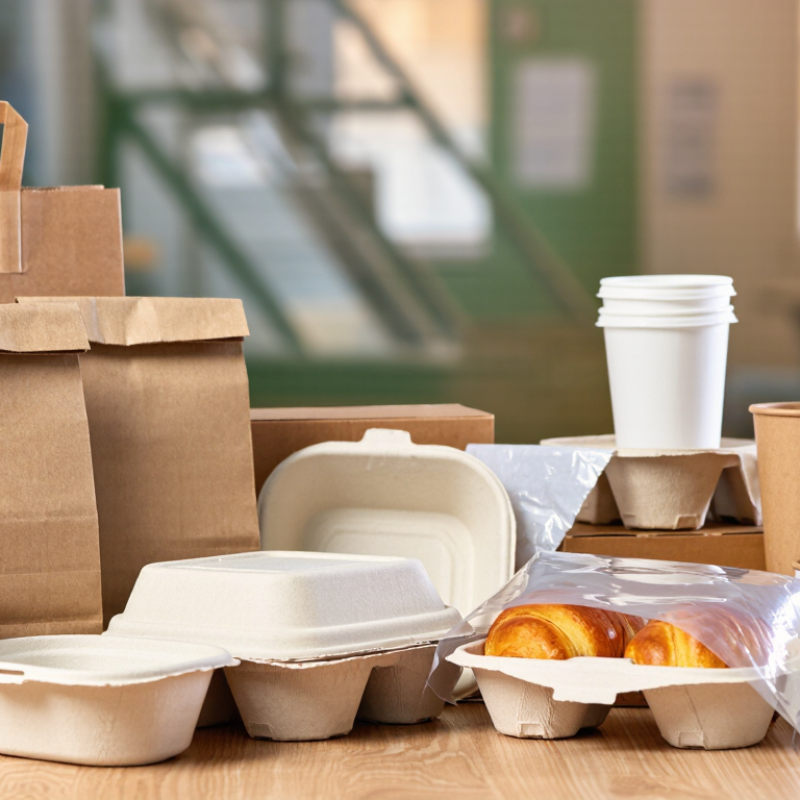
The top ten eco disposable paper types serve different packaging and foodservice needs. Kraft paper offers strong fibers, a natural appearance, and good printability. Recycled paper reduces demand for virgin pulp, although its strength can vary. Bamboo paper grows from rapidly renewable fiber, but sourcing evidence still matters. Bagasse paper uses sugarcane residue and feels firm in the hand. Molded fiber paper protects cups, trays, and takeaway containers with useful cushioning.

Greaseproof paper resists light oils without heavy plastic layers. Parchment paper tolerates heat and releases baked foods cleanly. Glassine paper has a smooth, translucent surface for dry products and small items. Tissue paper is lightweight, soft, and suitable for wrapping or absorbent liners. Corrugated paper provides impact protection through its fluted middle layer. Each type has a distinct key feature.

Performance depends on construction. A thin recycled sheet may fail under wet food. A coated paper can perform better, yet its end-of-life route becomes less simple. Buyers should check fiber origin, recycled content, barrier materials, basis weight, and verified certifications. Compostable claims need local facility support. This point is often overlooked. In practical testing, fill a sample container, add moisture, and observe it for several hours. Results may expose weaknesses that a specification sheet misses. Perfect sustainability is difficult. Better material choices require honest trade-offs.

How Each Paper Type Serves Foodservice and Retail Applications

Eco disposable paper performs differently across foodservice and retail. Recycled kraft paper suits takeaway bags, bakery sleeves, and shipping wraps. Its brown surface shows natural fibers and hides minor marks. However, it may need extra strength for wet meals.

Bleached paper offers a cleaner retail appearance for snack boxes and product labels.

Greaseproof paper protects pastries, fried foods, and sandwich liners.

Wax-free coated paper handles oil better, but recycling rules can vary.

Cupstock paper supports hot drink cups and cold beverage containers. A water-based barrier may reduce plastic use, yet it can soften during long service.

Corrugated paper adds protection around retail goods. Lightweight fluting works for small parcels, while stronger grades protect heavier items.

Simple details matter.

More options exist.

Glassine paper gives candy wraps, soap packaging, and retail windows a smooth, translucent finish.

Tissue paper cushions garments and fills gift boxes.

Parchment-style paper helps line baking trays and food baskets.

Bamboo fiber paper can provide a fresh alternative for napkins, trays, and food wraps, although supply consistency deserves review.

Bagasse-blended paper uses plant-based residue for plates and clamshells. It performs well with warm foods, but hot liquids may expose weak points.

In real purchasing work, I check basis weight, moisture resistance, fiber origin, and disposal guidance. “Compostable” is not universal. Local facilities decide what actually breaks down.

I have seen attractive packaging fail after ten minutes beside a wet salad. Testing with the intended food is essential.

Cost, transport distance, and storage humidity also change the environmental result. No paper type wins every application.

How to Compare Safety, Strength, Cost, and Environmental Impact

Top 10 Eco Disposable Paper Types for Global Buyers
How to Compare Safety, Strength, Cost, and Environmental Impact

Paper cups, plates, bowls, wraps, and food trays may look similar, but their materials perform differently. Options include recycled paperboard, bamboo-fiber paper, bagasse blends, and papers made from responsibly sourced wood pulp. Check food-contact documentation and coating details before comparing prices. A “compostable” label alone does not explain where or how an item can break down. Requirements and disposal facilities vary by market.

Test strength with the food you actually serve. A thin plate may sag under hot noodles, while a coated cup may resist leaks but complicate recycling. Compare the cost per usable item, not just the price per carton; damaged pieces and extra packaging affect the real figure. Ask suppliers for material specifications, test results, and clear information about coatings. Environmental claims deserve careful checking. Fiber source, manufacturing, transport, and local end-of-life options all matter, and one material is not automatically best in every setting.

Tips: Pour hot liquid into a sample cup and leave it for several minutes. Press a loaded plate gently. Check whether the rim softens or the base bends. Compare samples side by side, and record what failed. This hands-on check helps, though it cannot replace documented safety and performance testing. I would not choose on price alone; small differences can become costly during a busy service.

How Global Buyers Can Select and Verify the Right Paper Type

Top 10 Eco Disposable Paper Types for Global Buyers

Selecting paper requires more than reading “eco” on a quotation. A practical shortlist includes uncoated kraft, coated kraft, recycled linerboard, solid bleached board, folding boxboard, greaseproof paper, glassine, cupstock, tissue, and molded-fiber sheet. Each type behaves differently under oil, moisture, heat, and pressure. FAO’s Forestry Production and Trade database reports global paper and paperboard output above 400 million tonnes in 2022, so buyers need measurable criteria, not attractive claims.

Start with the application. Ask for basis weight, moisture content, Cobb60 water absorption, tensile strength, and coating composition. Request a recent laboratory report, mill specification, and chain-of-custody certificate. The U.S. Environmental Protection Agency recorded a 68.2% paper recycling rate in 2018. Recyclability still depends on coatings, inks, food residue, and local collection systems. A recycled sheet may look less uniform. That is not automatically a defect.

For food contact, verify applicable migration tests and destination-market requirements. For compostability claims, check recognized testing against EN 13432 or ASTM D6400, where relevant. Industrial compostability is not the same as backyard composting. It is easy to overlook this difference. During sampling, compare three batches, not one perfect sheet. Measure curl after humidity exposure, inspect pinholes under bright light, and test sealing at the actual machine speed. A supplier’s certificate helps, but independent testing remains wiser. Even experienced buyers sometimes approve paper before reviewing the final coating formula. That mistake deserves reconsideration.

Call Now