The Top Benefits of Using Window Shades for Your Home Decor?
Window shades have become a popular choice in home decor, and for good reason. They provide both aesthetic appeal and functional benefits. According to a report by the American Society of Interior Designers (ASID), about 70% of homeowners prioritize window coverings as a key element in their living spaces. This statistic supports the notion that window shades are more than just a decorative feature; they significantly enhance a room's overall look.
Additionally, window shades contribute to energy efficiency. The U.S. Department of Energy notes that proper window treatments can reduce energy costs by up to 25%. This efficiency not only lowers monthly bills but also minimizes the environmental footprint of a household. However, not all shades offer the same level of performance. Homeowners must consider materials and insulation properties when selecting the right window shades.
While window shades are appealing, it’s important to remember that choosing the wrong style can affect the room’s ambiance. The balance between function and design may not always be easy to achieve. Homeowners should take time to research options to ensure they make informed decisions. Ultimately, window shades can transform a space while adding comfort and style.
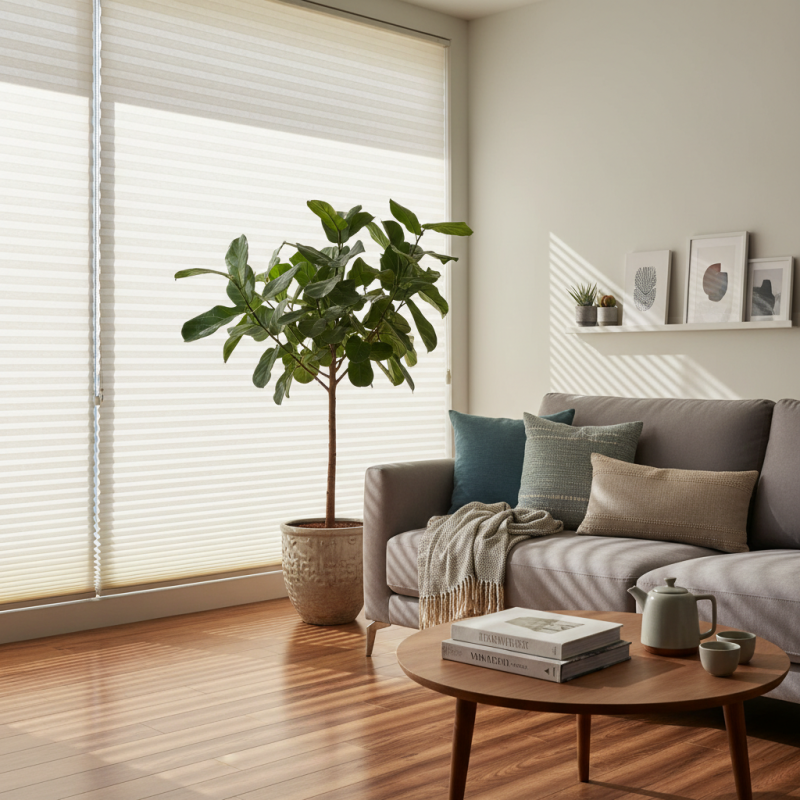
The Impact of Window Shades on Energy Efficiency in Homes
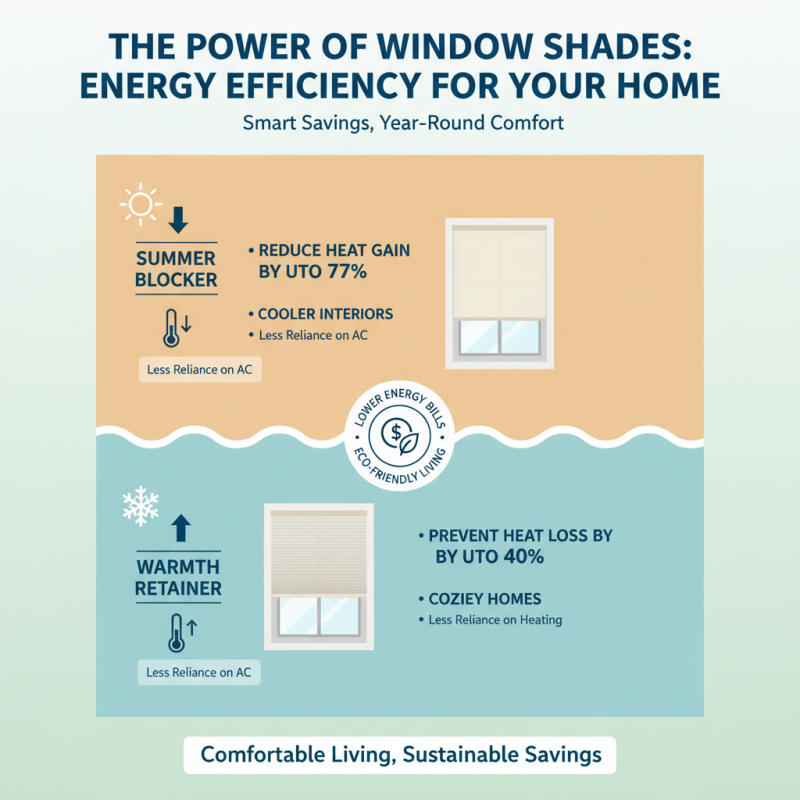
Window shades play a crucial role in enhancing energy efficiency in homes. They can dramatically reduce heat gain during summer months. Conversely, they help retain warmth when the temperatures drop in winter. These benefits lead to a more comfortable living environment throughout the year. When used correctly, window shades can also lower energy bills. Homeowners can rely less on heating and cooling systems, saving money in the long run.
Choosing the right window shades is essential. The material and color impact how effective they are at insulating your home. For instance, light-colored shades reflect sunlight, keeping rooms cooler. Darker shades absorb heat, which can be beneficial in winter. However, not all shades provide equal insulation. Some may create gaps, leading to energy loss. Homeowners should regularly inspect and maintain their window treatments to ensure they function effectively.
Beyond energy savings, window shades add style to decor. But aesthetics should not overshadow functionality. Finding a balance is key. Homeowners might face challenges in selecting the right shades. Style preferences can clash with energy efficiency needs. Ultimately, evaluating the overall impact is vital in making informed choices.
Enhancing Privacy and Security with Window Shades
Window shades are an excellent choice for enhancing privacy and security in your home. They create a barrier between your interior and the outside world. This addition not only blocks prying eyes but also encourages a sense of comfort. Choosing the right shade can transform your space while keeping your family safe.
For better privacy, consider layered window treatments. Combining shades with curtains can offer versatility. When you want light, just open the curtains. For full privacy, close the shades completely. Remember to select materials that suit both aesthetics and functionality.
Additionally, think about installing window shades that fit snugly. Gaps can compromise security. Shades that cover the window fully ensure that no one can see inside. For extra peace of mind, opt for shades with locking mechanisms. This detail adds an extra layer of security, making your home much more inviting yet secure.
The Aesthetic Value of Window Shades in Interior Design
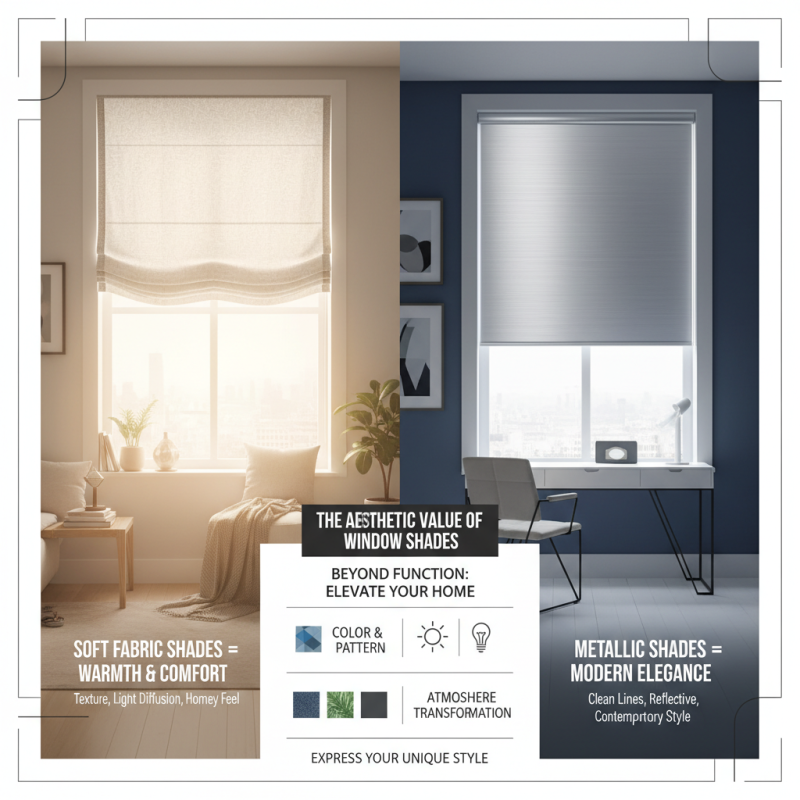
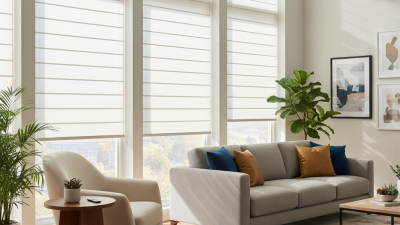
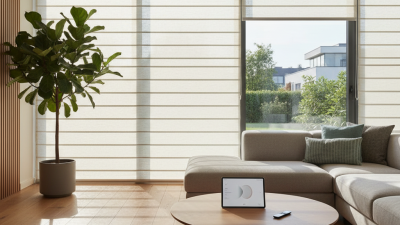
Window shades are more than just practical solutions for light control. They add significant aesthetic value to home decor. Choosing the right window shades can transform a room's atmosphere. Soft fabric shades can introduce warmth, while sleek metallic ones exude modern elegance. The color and pattern options are vast, allowing homeowners to express their unique style.
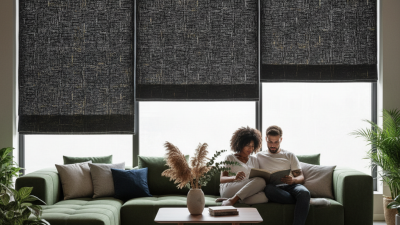
Incorporating window shades into your interior design can also enhance focal points within a space. A patterned shade can draw attention to an otherwise empty wall. On the other hand, solid colors can act as a backdrop for more vibrant decor. It's crucial to consider how shades interact with other elements. The texture can provide depth, while the hue complements surrounding furnishings.
However, selecting shades requires some reflection. Not every style suits every room. An overly bold pattern might overwhelm a small space. Conversely, minimalist shades may fall flat in a large area. Balancing style and function is key to achieving the desired look. Careful consideration of these factors will help you make informed choices that elevate your home's interior design.
Reducing Noise Pollution with Window Shade Solutions
Noise pollution is an often-overlooked aspect of home discomfort. Many homeowners feel it only when the noise disruptions are unbearable. Studies reveal that excessive noise can negatively impact mental health, sleep quality, and productivity.
Window shades can serve as a practical solution to this pervasive problem.
Research from the Journal of Acoustical Society shows that window coverings can reduce noise levels by up to 50%. The amount of sound absorption varies depending on the material and design of the shades. For instance, thick fabric shades are more effective than sheer ones in blocking out sound. Sound travels through different mediums, and simply adding a layer can mute disruptive outside noise significantly.
Many homeowners underestimate the sound-dampening potential of window shades. This can lead to unsatisfactory results if the wrong type is chosen. Options like honeycomb shades provide excellent insulation and noise reduction. They create an air pocket that further dampens sound layers.
While many may prioritize looks over functionality, it’s essential to balance both for a serene living environment. Choosing the right material may seem overwhelming, but the long-term benefits to peace of mind are worth it.
Improving Home Resale Value with Quality Window Treatments
When it comes to home decor, quality window treatments can significantly enhance your home's appeal. Well-chosen window shades offer style and functionality. They control light and privacy, creating a cozy atmosphere. But there's more to it. A well-decorated home is more attractive to potential buyers. Attractive window shades can elevate your home's aesthetic.
Investing in window shades can positively influence your home's resale value. Buyers often look for features that enhance comfort and style. Custom shades can be a selling point, signaling attention to detail. They complement various interior designs, making your home memorable. Quality materials are key. Window shades made from durable fabrics can withstand wear and tear over time, assuring buyers of longevity.
On the flip side, not all window treatments age well. Styles can become outdated quickly. It's essential to choose timeless designs that appeal to broad tastes. Neutral colors often attract more buyers than bold, personal choices. Laminate options may stand out but might not fit every buyer's vision. Thoughtful selection can make your home a desirable investment.
The Top Benefits of Using Window Shades for Your Home Decor