Why Choose Clear Glass Jars for Your Business?
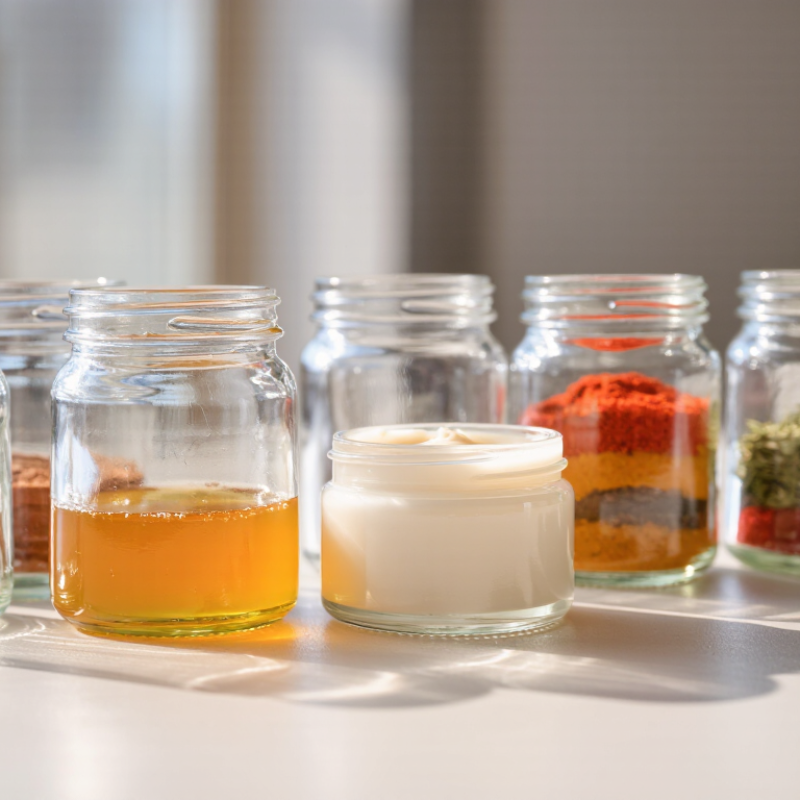
Choosing packaging is a practical business decision, not just a design exercise. A Clear Glass Jar lets customers see the product’s color, texture, and fill level before they buy. That visibility can make neatly layered spices, golden honey, or carefully blended skincare feel more tangible on a shelf. The container’s simple shape also works across many brand styles, from handmade to premium. Glass is nonporous and generally does not retain odors, which can help preserve a product’s original character when the jar is suitable and properly sealed. Still, packaging performance depends on the product and closure. A jar alone is not a freshness guarantee.
Clear jars also support consistent product presentation across retail displays and online photography. Labels are easy to place, and customers can quickly recognize what is inside. Before choosing a size, check the usable capacity, opening width, lid fit, and how the filled jar feels in the hand. Test it with your actual product. A thick balm may need a wider opening than a pourable syrup. Glass is heavier and can break if dropped, so shipping materials and handling deserve attention. That trade-off is easy to underestimate. For many businesses, the best choice balances shelf appeal with safe, practical use. Compare samples, review customer feedback, and confirm that the jar suits your filling process before ordering in volume.
What Clear Glass Jars Are and How They Are Made
Clear glass jars are containers made from transparent glass, allowing people to see the product inside without opening the lid. They are commonly formed from a mixture of silica sand, soda ash, and limestone. Manufacturers melt these materials in a furnace at high temperatures until they become molten glass. Recycled glass may also be added, depending on the production process.
The molten glass is cut into measured portions and shaped in a mold using air pressure. Each jar then passes through an annealing oven, where it cools gradually to reduce internal stress. This step matters: cooling too quickly can make glass more prone to cracking. Afterward, workers or automated systems inspect jars for defects such as chips, bubbles, or uneven rims. Some variation can still occur, so consistency is not always perfect.
Tips: Check the rim for smoothness and the base for stability. Match jar dimensions to your product and filling equipment. Clear glass shows color and texture well, but it also reveals small imperfections. Test samples under your actual storage and lighting conditions before ordering in volume.
How Transparency Helps Customers See and Identify Products
Clear glass jars let customers inspect a product before they decide to buy it. Color, shape, and texture are visible at a glance. That matters when shoppers compare dried herbs, bath salts, beads, or pantry staples on a crowded shelf. A jar can also make stock levels easier to check, helping staff notice when a refill is needed. Small details count.
Visibility works best when the jar is clean and well lit. Fingerprints, dust, and strong reflections can make contents harder to identify. A simple label still helps, especially when two products look similar. Keep key information easy to read without covering the view. Clear glass is useful, but it does not explain everything.
Consider the product itself, too. Moisture can fog the glass, and some contents may look dull under warm lighting. Dark shelves can hide details rather than reveal them. Test a filled jar in the place where it will be displayed; a sample may look different at home than under shop lights. Transparency builds confidence when customers can see the real product, not just a carefully staged version.
Which Products and Industries Commonly Use Clear Glass Jars
Why Choose Clear Glass Jars for Your Business?
Which Products and Industries Commonly Use Clear Glass Jars
Clear glass jars suit products customers want to see before buying. Food makers use them for spices, tea, honey, jam, and dry snacks. A visible cinnamon layer or golden honey can make a shelf display feel more inviting. Small-batch skincare businesses also package creams, balms, and bath salts in jars. Home décor and craft shops use them for beads, candles, and seasonal displays. The right jar depends on the product, not just its appearance.
Tips: Match the jar opening to how customers use the product. Wide mouths make scooping easier, while smaller openings can help control pouring. Check that the lid seals properly, especially for foods or products sensitive to air and moisture. Test your actual product before ordering in bulk.
Clear glass makes color and texture easy to inspect, which can build confidence in a retail setting. It also works well for sample sizes and refill counters. But it offers less protection from light than tinted packaging. That matters for light-sensitive contents. A jar can look excellent and still be a poor fit if it is heavy, fragile, or awkward to store. Test the filled jar on a shelf and during routine handling; a small trial may reveal problems that a product photo will not.
Why Choose Clear Glass Jars? Common Products and Example Pack Sizes
Clear glass jars let customers see the product inside and are commonly used for food, cosmetics, spices, and candles.
These are representative example pack sizes, not industry averages. Actual jar capacities vary by product and seller.
How Glass Jars Support Product Protection, Reuse, and Recycling
Clear glass jars let customers see color, texture, and fill level before opening a package. That visibility can also make quality checks easier for staff. Glass forms a nonporous barrier against moisture and many odors when the jar and closure fit well. It does not block light. A sunny shelf can fade some light-sensitive products, so test display conditions or add an outer carton. Small detail. Big difference.
Jars can be washed and reused when their design and closure allow it. A café might refill a sturdy jar with dry ingredients; at home, someone may use one for buttons or spices. Inspect rims for chips and discard damaged containers. Replace closures when seals weaken, since a clean jar alone does not guarantee a tight seal. Reuse takes care. Not magic.
At the end of its service life, glass is widely recyclable and can be remelted into new glass. Keep jars empty and follow local sorting instructions; guidance for lids and labels varies. Clear glass may be sorted separately from colored glass, depending on the local system. There is a trade-off: glass is heavy, and transport can add emissions. Compare the full supply route, not just the material. A little testing helps.
What Businesses Should Consider When Selecting Clear Glass Jars
Why Choose Clear Glass Jars for Your Business?
What Businesses Should Consider When Selecting Clear Glass Jars
Clear glass jars let customers see a product’s color, texture, and fill level. That visibility can build confidence, but it also exposes contents to light. For products sensitive to light, check shelf-life needs and consider protective packaging. Choose a jar shape that suits your product and display space. A wide opening may make scooping easier, while a narrower neck can help control pouring.
Check the jar’s capacity, opening, and closure together. A lid that fits poorly can cause leaks or reduce freshness. Ask suppliers for closure and material specifications, then test filled samples under normal storage and handling conditions. Also consider weight and breakage during shipping. Glass feels substantial, but added packing materials may increase costs. Label placement matters, too; curved surfaces can make small labels harder to apply neatly.
Tips: Fill sample jars with your actual product. Check the seal, label fit, and ease of use. Then test how they handle routine packing and delivery. Small trials take time, and they can still miss real-world problems—but they’re more useful than choosing by appearance alone.