
2026 Best Remote Control Blinds for Global Buyers
Choosing the best remote control blinds in 2026 requires more than comparing prices, colours, and app features. Global buyers need dependable control, safe installation, and long-term support. A quiet motor may sound impressive, but performance matters more at 6:30 a.m., when sunlight reaches a child’s bedroom.
This guide examines remote control blinds through practical details. We consider motor noise, battery life, charging methods, signal range, and compatibility with major smart-home platforms. We also look at fabric quality, blackout performance, heat reduction, and manual operation during power interruptions. Measurements matter. A blind that fits poorly may leave bright gaps along the window edges. That small gap can affect sleep and indoor comfort.
Reliable purchasing also depends on documentation. Buyers should check product specifications, warranty terms, installation guidance, and regional electrical requirements before ordering. Support availability matters when replacement parts must cross borders. Some products claim universal compatibility, yet their hubs may work only with selected networks or applications. Read the fine print.
No system is perfect. Wireless signals can weaken through concrete walls, and rechargeable batteries may need more frequent charging in busy rooms. These limitations deserve honest attention. Rather than naming one product as ideal for everyone, this overview compares suitable options for apartments, offices, bedrooms, and large window systems. It considers value, convenience, privacy, and energy efficiency without ignoring maintenance. The goal is simple: help international shoppers choose blinds that work reliably in real homes, not only in polished product demonstrations.
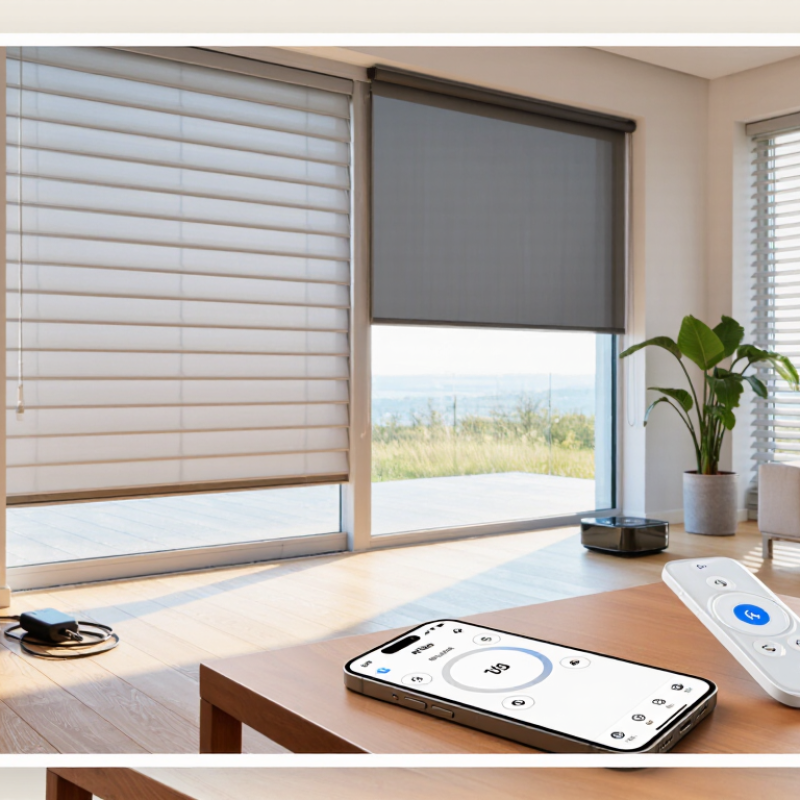
Remote-Controlled Blinds: Definition and Key Features
Remote-Controlled Blinds: Definition and Key Features
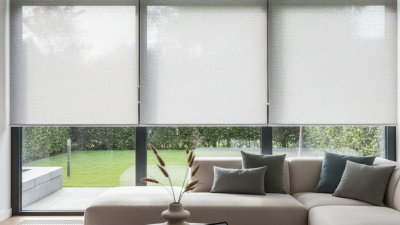
Remote-controlled blinds are window coverings operated through a handheld remote, wall switch, or mobile application. A small motor moves the fabric, slats, or louvers with minimal effort. This design suits high windows, large glass doors, and rooms where direct access is inconvenient.
Useful systems offer adjustable opening, closing, and stopping positions. Some include timers, light sensors, or voice control. A quiet motor matters in bedrooms and study areas. Battery-powered models simplify installation, while wired systems may support heavier blinds more reliably. Global buyers should check voltage, wireless compatibility, delivery conditions, and local electrical requirements before ordering.
Safety deserves close attention. Cords should be limited or avoided, especially near children and pets. A manual override can help during power loss. Strong signal performance also matters through concrete walls and across several rooms. During a room-side check, test the remote from different angles, not only beside the window. No system is perfect. Batteries can weaken, apps may disconnect, and installation errors can cause uneven movement. Clear instructions, replaceable parts, warranty terms, and responsive technical support provide stronger evidence of reliability than attractive pictures alone.
2026 Best Remote Control Blinds for Global Buyers
Remote-Controlled Blinds: Definition and Key Features
| Evaluation Dimension | Typical Industry Information | Why It Matters to Global Buyers |
|---|---|---|
| Definition | A motorized window covering that opens, closes, tilts, or raises through a handheld remote, wall control, mobile application, or automated schedule. | Provides hands-free operation and supports convenient control of hard-to-reach or multiple windows. |
| Common Blind Styles | Roller, zebra, Roman, Venetian, cellular or honeycomb, skylight, and exterior roller blinds can be motorized, subject to the product design. | The style affects light control, appearance, maximum size, motor load, and installation method. |
| Control Methods | Typical options include radio-frequency remote control, infrared control, wired wall switches, Bluetooth, Wi-Fi gateways, and integrated smart-home systems. | Radio systems generally work without direct line of sight, while infrared controls usually require a clear path to the receiver. |
| Power Options | Battery-powered motors, rechargeable battery motors, low-voltage DC power supplies, and direct electrical wiring are commonly available. | Battery operation simplifies retrofit projects; wired systems are often preferred for large installations or frequent daily use. |
| Charging and Battery Life | Recharge intervals vary by blind size, fabric weight, operating frequency, battery capacity, and temperature. Solar charging is available for some window applications. | Buyers should compare charging access, battery replacement method, charging time, and expected operation cycles rather than relying on a universal battery-life figure. |
| Noise Level | Motor noise depends on motor construction, load, mounting surface, blind size, and speed. Quiet motor designs are generally preferred for bedrooms, offices, and hospitality spaces. | A published noise rating or an operating sample is useful when acoustic comfort is important. |
| Light and Privacy Control | Opaque fabrics provide stronger light blocking; solar-screen fabrics reduce glare while retaining some outside visibility; dual-layer blinds provide separate light-filtering and blackout functions. | Fabric openness, color, side gaps, and installation position can significantly affect real-world blackout performance. |
| Smart Automation | Common functions include timed schedules, sunrise and sunset routines, room grouping, scene control, position presets, and integration with compatible smart-home platforms. | Compatibility should be checked for wireless protocol, regional application availability, account requirements, and internet dependence. |
| Wireless Range | Actual range varies with radio frequency, building materials, wall thickness, interference, antenna position, and the use of repeaters or gateways. | Range claims should be evaluated in the intended building rather than treated as a guaranteed indoor distance. |
| Installation Types | Inside-mount and outside-mount installations are common. Mounting may require accurate width and height measurements, secure brackets, and adequate clearance for the motor and fabric roll. | Incorrect measurements can cause fabric gaps, uneven movement, bracket interference, or insufficient clearance around handles and window frames. |
| Maximum Size and Load | Maximum width, height, area, and fabric weight are motor-specific. Wider blinds and heavier fabrics require higher lifting capacity and may use multiple synchronized motors. | The motor should be selected using the manufacturer’s load and size table, not only the window dimensions. |
| Child and User Safety | Motorized blinds can reduce the need for operating cords. Safety still depends on secure mounting, safe battery placement, electrical protection, and compliance with applicable local requirements. | Homes, schools, hotels, and care facilities should verify the safety rules applicable in the installation country. |
| Regional Electrical Requirements | Wired installations may require regionally suitable input voltage, plug type, wiring practice, and electrical certification. Battery systems reduce some mains-voltage considerations but still require compliant chargers. | Confirm voltage, frequency, plug compatibility, importer obligations, and local installation regulations before ordering internationally. |
| Environmental Suitability | Indoor motors are not automatically suitable for moisture, condensation, dust, or outdoor exposure. Exterior blinds require components designed for the expected weather conditions. | Bathrooms, coastal locations, kitchens, conservatories, and outdoor areas need an appropriate environmental rating and material selection. |
| Maintenance | Routine care generally includes dust removal, checking brackets and alignment, keeping the fabric clean according to its care label, and recharging or replacing batteries when required. | Accessible components, replacement parts, and clear service instructions can reduce long-term ownership costs. |
| Best Use Cases | Suitable for large windows, high or hard-to-reach windows, bedrooms, media rooms, offices, hospitality projects, rental properties, and accessibility-focused homes. | The best configuration depends on window size, required darkness, control preferences, installation access, and local electrical conditions. |
Related Posts
-
10 Tips for Choosing the Best Automatic Blinds
-
Top 5 Roller Blinds Trends Transforming Your Home in 2023 with Industry Insights
-

How to Choose the Best Roller Blinds for Your Windows in Any Room
-
How to Choose the Best Roller Blinds for Your Windows?
-

How to Choose Roller Blinds for Your Home Decor Needs?
-
2026 Best Motorized Window Shades for Your Home Decor?

