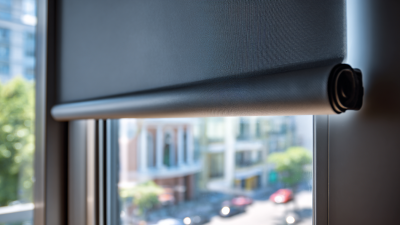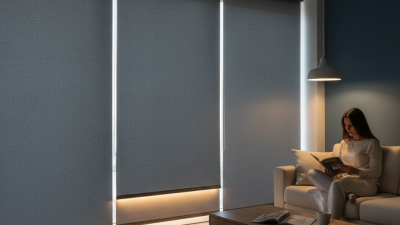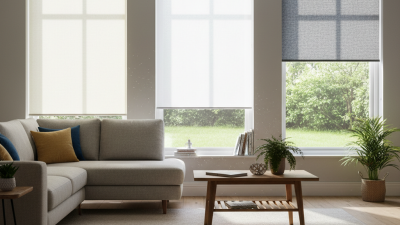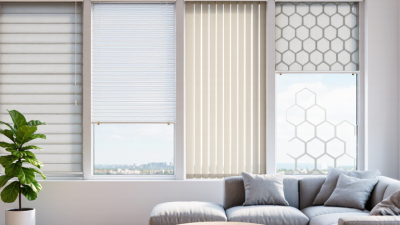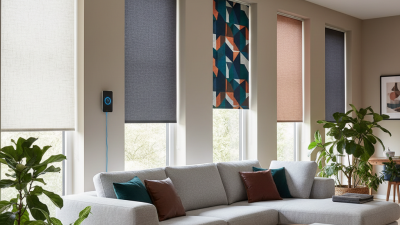
A bedroom can look calm at noon and still glow at 5 a.m. Streetlamps, summer sunlight, and light around a window’s edges can disturb a restful space. The right blackout roller shades may reduce those bright intrusions, but “blackout” does not always mean total darkness. Fabric, fit, and installation all matter.
Sleep expert Dr. Michael Breus recommends keeping the bedroom dark, cool, and quiet. That guidance makes darkness one useful part of a sleep-friendly room, not a guaranteed cure for poor sleep. This guide compares seven blackout roller shades for bedrooms, focusing on practical details: light-blocking performance, sizing, operation, installation, and care. It also considers everyday trade-offs, such as whether a smooth fabric is worth more frequent dusting, or whether cordless operation suits the room’s needs.
A small caveat: even a dense shade can leave thin strips of light at the sides. Measure the window carefully, and check whether the product supports an inside or outside mount. Look closely at fabric samples, too; a pale shade may not feel as dark as expected in a sunlit room. No shade is magic. The best choice depends on your window, budget, and tolerance for morning light. The recommendations ahead aim to make those decisions clearer, while acknowledging that real rooms—and sleep habits—vary.
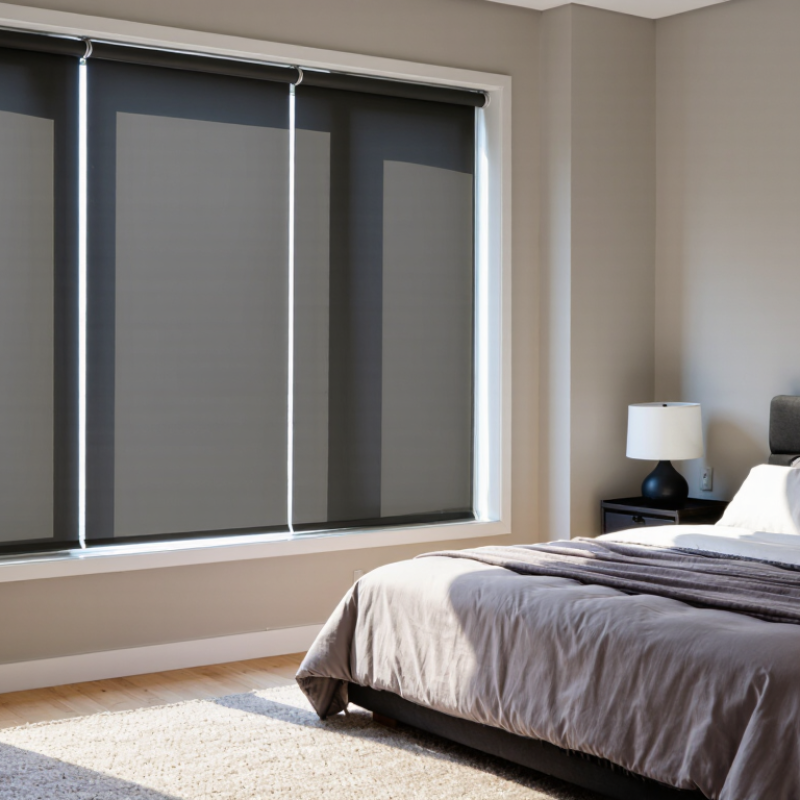
Blackout roller shades use an opaque fabric layer to reduce incoming light, but “blackout” does not always mean a perfectly dark room. Light can slip around the sides, above the roller, or beneath the fabric. For stronger bedroom light control, measure the window carefully and compare inside-mount and outside-mount options. An outside mount can cover more of the frame, though it may look bulkier. Fabric color, weave, and backing also affect how much light filters through.
Tips: Check measurements at several points; older windows may not be perfectly square. Consider a side channel or a wider shade if early sunlight reaches your pillow. Test how the shade moves before relying on it every night. Small details matter.
Think about daily use, too. A cordless design keeps dangling loops away from children and pets, while a smooth roller can be easier to operate from bed. In a humid room, follow the care instructions and avoid leaving damp fabric rolled up. I’ve found that even a well-fitted shade can leave a faint glow near the edges, especially on bright summer mornings. That may be enough for some sleepers, but not everyone. A sample held against the window can reveal more than a product photo.
A blackout roller shade works best when its size matches the window, not just the glass. For an inside mount, measure the width at the top, middle, and bottom, then use the narrowest measurement. Check the frame depth, too. A shallow frame may not hold the roller neatly. For stronger edge coverage, an outside mount can extend beyond the trim by a few inches on each side. Measure carefully. Even a small gap can draw a bright stripe across a bedroom wall.
Fabric matters as much as fit. Dense, opaque material blocks more light through the shade itself, while a lighter backing may reflect some heat. Dark colors are not automatically better; opacity and construction matter more. If possible, inspect a fabric sample near a sunny window. Hold it up and look for pinholes or glowing patches. Blackout does not always mean pitch black.
Consider how the shade feels and operates each day. A smooth roller can be useful beside a bed, while a bulky mechanism may crowd a narrow frame. Some fabrics show dust clearly, and textured surfaces can take longer to wipe clean. Measure twice, but leave room for uncertainty: window frames are rarely perfectly square. A careful fit helps, yet side channels or curtains may still be needed for near-total darkness.
Bedrooms have different light problems, so one shade style rarely suits every window. A thermal-backed blackout roller shade can reduce drafts and soften temperature swings. A side-channel design helps limit bright strips along the edges, though careful fitting matters. A cassette shade hides the rolled fabric for a tidier look. Moisture-resistant fabric may suit a bedroom near a bathroom, but check the care instructions. For wide windows, one shade per section can be easier to operate than a single heavy unit. Renters may prefer a no-drill option, while a motorized shade can help with hard-to-reach windows. A layered setup, with a blackout roller beneath a sheer curtain, offers flexible daytime light. Small gaps still matter.
Tips: Measure the window in several places, since frames can be slightly uneven. For stronger darkness, compare inside- and outside-mount coverage before ordering. Test a sample near your window; fabric color can look different in morning light.
Think about how the room is used, not just its appearance. A child’s room may benefit from simple controls and secure cord management. A light sleeper might prioritize edge coverage over a decorative cassette. Blackout fabric does not guarantee a fully dark room if light enters around the frame. That detail is easy to overlook. I would also leave room for imperfect fit: older windows often need adjustment, and an extra measurement check can prevent a frustrating installation.
| Option | Best for | Light-control design | Main advantage | Considerations | What to check before ordering |
|---|---|---|---|---|---|
| Blackout shade with side channels | Shift workers, nurseries, and people who need a very dark room | Opaque fabric runs alongside channels fitted at the window edges; some systems also include a bottom rail or sill seal. | Helps reduce the light that can enter around the sides of a standard roller shade. | More components and installation work than a basic shade; the fit and alignment of the channels matter. | Measure the window recess carefully and confirm that the frame can accommodate the channel depth. |
| Basic blackout roller shade | Bedrooms where a straightforward, budget-conscious option is preferred | Uses opaque or blackout-rated fabric on a roller; light may still pass around the fabric edges. | Simple design with a wide range of fabric colors and levels of opacity. | “Blackout” describes the fabric, not necessarily a fully sealed window; edge gaps can leave visible light. | Check the fabric width separately from the total shade width, especially for an inside mount. |
| Outside-mount blackout shade | Windows with shallow recesses or anyone prioritizing fewer side gaps | Mounts above or outside the window frame, allowing the shade to overlap the opening. | A wider overlap can reduce light leakage at the sides compared with a tightly fitted inside mount. | Projects beyond the frame and may cover trim or nearby wall space. | Allow enough width and height for overlap, and check for nearby handles, radiators, or furniture. |
| Thermal-backed blackout shade | Bedrooms that feel chilly near windows or receive strong sun | Opaque fabric includes a backing intended to slow heat transfer through the covered window area. | Can add a layer between the room and the glass while also blocking light through the fabric. | It does not replace insulated glazing or eliminate heat loss around the window and shade edges. | Review the care instructions, fabric thickness, and whether the roller and brackets can support the material. |
| Cordless blackout roller shade | Homes seeking a cleaner appearance and reduced access to operating cords | Raises and lowers using a spring-assisted mechanism or a lift bar rather than a free-hanging cord. | No operating cord hangs beside the window. | Operation and maximum available size vary by model; the shade must be installed level for smooth movement. | Check the operating method, window size limits, and applicable child-safety requirements. |
| Motorized blackout roller shade | Tall or hard-to-reach windows, and bedrooms where scheduled operation is useful | A motor raises and lowers the roller; compatible versions may use a remote, wall control, or home-control system. | Convenient operation without reaching the window; scheduling may help maintain a regular routine. | Requires a power source or charging plan, and connected features depend on system compatibility. | Confirm power options, control compatibility, noise expectations, and access for charging or maintenance. |
| Moisture-resistant blackout shade | Bedrooms with nearby bathrooms or windows prone to condensation | Uses a shade material intended to tolerate occasional humidity better than some untreated fabrics. | Practical where window coverings may encounter damp air or light splashes. | Moisture resistance does not mean mold-proof or suitable for prolonged direct water exposure. | Check the manufacturer’s cleaning guidance and suitability for the room’s humidity conditions. |
Buying note: Blackout fabric blocks light through the material, but light can still enter around the edges. For the darkest result, consider an outside mount or a system with side channels, and measure the window and shade dimensions carefully.
Blackout roller shades can make a bedroom darker, but the fabric alone does not determine privacy. Light may slip through narrow gaps beside the shade, especially with an inside mount. For stronger edge coverage, an outside mount can overlap the window frame. Check the view from the street at night, too: a dark room helps, but uncovered edges may still reveal silhouettes. Small gaps matter.
Operation affects daily comfort. A chain control is simple to use, though it can hang near furniture or feel awkward beside a bed. Cordless models keep the window area clearer, while motorized shades can help with hard-to-reach windows. Each option has trade-offs in cost, access, and maintenance. Consider who will use the shade and whether the control is easy to reach.
Installation needs careful measuring. For an inside mount, check the window’s width at several points and use the narrowest measurement. Confirm that the frame has enough depth for the brackets. An outside mount needs space above and beside the frame, and secure fixing points.
Measure twice. A slightly uneven window can complicate a neat fit, and manufacturer instructions should guide the final measurements. There is no perfect setup: better coverage may mean a larger shade that overlaps the trim.
Blackout roller shades need gentle care to keep their fabric smooth and their edges aligned. Dust gathers fast. Vacuum monthly with a soft brush attachment on low suction, moving from top to bottom. For small marks, dab with a barely damp cloth and mild soap, after testing an inconspicuous spot. Avoid scrubbing, soaking, or rolling the shade up while it is damp; trapped moisture can leave stains or encourage mildew. One easy-to-miss detail is the bottom bar: dust there can transfer back onto the fabric each time you raise the shade.
The U.S. Department of Energy’s Energy Saver guidance estimates that heat gain and loss through windows account for 25%–30% of residential heating and cooling energy use. That figure is not a promise of savings from shades, but it shows why keeping window coverings in good working order matters. Check the brackets, roller, and operating chain periodically. If the shade begins to hang unevenly, inspect for loose fittings before forcing it. A small alignment problem can worsen, and cleaning alone will not fix it.
Tips: Let fabric dry fully before rolling it up. Check the edges. If the shade resists, stop and inspect the mechanism rather than pulling harder. Follow the care instructions supplied with the shade; materials vary, and even careful cleaning can leave a faint mark.