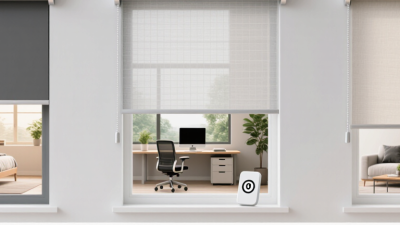
Motorized blinds can make a bright room easier to manage, especially when windows are hard to reach. With a tap or scheduled setting, you can adjust incoming light without crossing the room. The right choice, though, depends on more than convenience. Window size, fabric opacity, power options, and smart-home compatibility all affect everyday use.
This guide to the top 10 best motorized blinds compares practical features rather than treating one model as perfect for every home. It considers how blinds operate, what control methods they offer, and which details buyers should check before ordering. A quiet motor may matter in a bedroom; cordless operation or a reliable remote may matter more in another space. Small details count.
Product specifications and availability can change, so confirm current measurements, battery or wiring requirements, warranty terms, and compatibility with your devices. Also check whether installation suits your window frame and skill level. A ranking can help narrow the options, but it cannot account for every room, budget, or routine. That is a limitation worth keeping in mind. The best motorized blinds are the ones that fit your windows, work consistently, and make light control simpler without adding needless complexity.
Motorized blinds use a compact motor inside the headrail to raise, lower, or tilt the covering. A receiver listens for commands from a handheld remote, wall switch, or compatible home-control system. The motor then turns a roller or internal shaft. Smooth and quiet, but not silent.
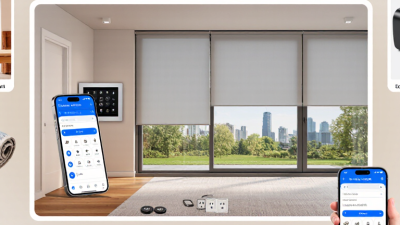
A typical setup includes the blind or shade, motor, power source, and control device. Power may come from replaceable batteries, a rechargeable battery pack, or household wiring. Optional light or temperature sensors can trigger adjustments; scheduling is another common feature. Some models also connect to a hub, though connectivity and control options vary. Check what still works without internet access.
Automation can help manage sunlight, but it does not guarantee lower energy bills. The U.S. Department of Energy’s Energy Saver guidance estimates that heat gain and loss through windows account for 25%–30% of residential heating and cooling energy use. That figure concerns windows overall, not motorized blinds alone. Orientation, glazing, fabric, and daily use all affect results. A west-facing room may need a different schedule from a shaded bedroom. Small detail, big difference. And sensors can misread changing light, so manual control remains useful.
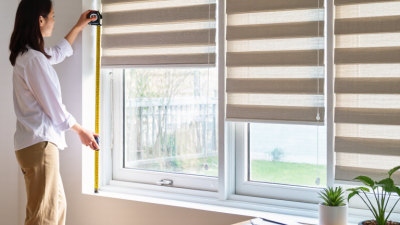
When comparing motorized blinds, start with fit and control, not the app. Measure each window, including the frame depth, and check whether the blind leaves light gaps at the sides. The U.S. Department of Energy estimates that windows account for 25–30% of residential heating and cooling energy use. That figure is not a guaranteed saving from blinds; results depend on glazing, climate, orientation, and how coverings are used. The Attachments Energy Rating Council provides performance ratings for window attachments, which can help compare heating and cooling effects beyond product claims.
Then compare everyday features. Can the blinds run on a schedule, respond to a light sensor, and still work when the internet is down? Ask about battery life, charging access, motor noise, and manual operation. A quiet motor matters in a bedroom at dawn. Small details matter. If the window is hard to reach, remote control may be more useful than voice control. Also check whether the material blocks glare while preserving enough daylight for reading. Darker fabric can improve privacy, but it may make a small room feel dim. Ratings and demonstrations help, yet real windows differ; measure carefully, and treat broad energy claims with caution.
These editorial priority scores are a practical comparison guide, not laboratory test results or ratings of specific products. Check each blind’s fit, power requirements, controls, and safety information before buying.
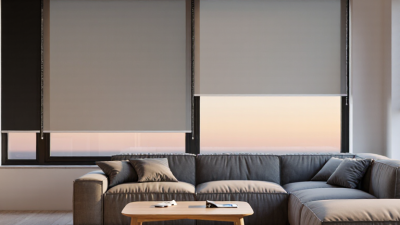
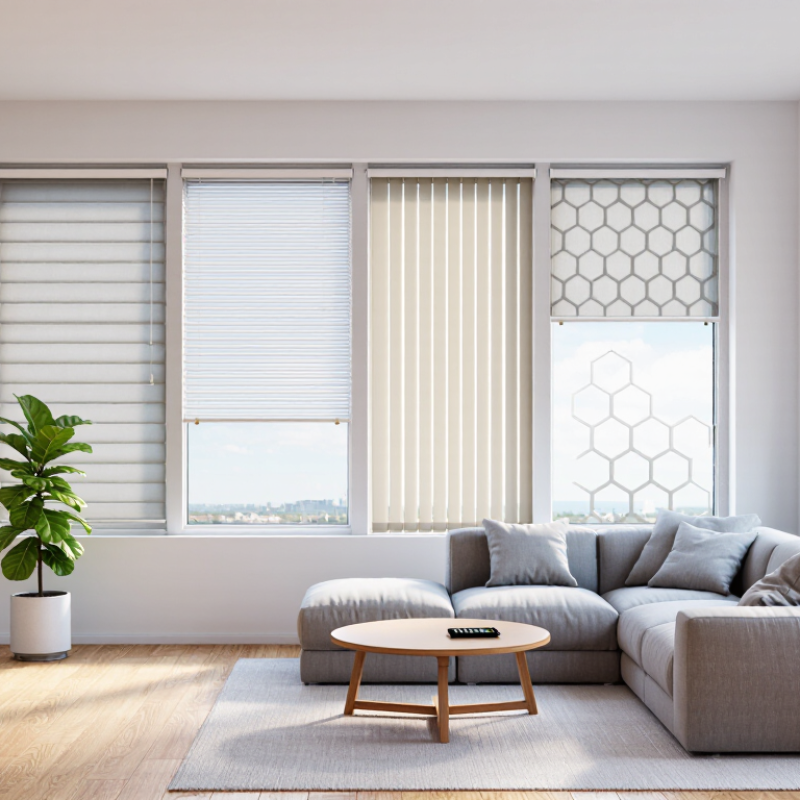
Motorized blinds come in several forms, and each handles light differently. Roller blinds use a single fabric panel that winds around a tube. They suit wide windows and create a clean, uncluttered look. Light-filtering fabric softens the afternoon sun, while blackout fabric can darken a bedroom. Fabric choice matters.
Cellular blinds use folded pockets that trap air near the window. This structure can help reduce heat transfer, though results depend on the window and installation. Roman blinds gather into soft folds when raised, adding texture but requiring more space above the frame. They can feel less tidy if the fabric sags over time.
Horizontal slat blinds tilt to adjust light and privacy without fully raising the covering. Their slats may collect dust, so consider the cleaning routine before choosing them. Vertical blinds use hanging vanes that rotate or slide aside, making them practical for broad windows and glass doors. They can sway when a door is open. A motorized system may operate by remote control, wall switch, or scheduled settings, but check how the controls work during a power outage. The best type depends on window size, desired light control, and how much maintenance feels realistic.
Choosing the best motorized blinds depends on the room, window, and daily routine—not a universal ranking. Cellular shades suit cold rooms and bedrooms. Solar shades reduce glare at home offices. Blackout rollers help with daytime sleep. Dual-layer shades switch between filtered light and privacy. Vertical blinds cover wide patio doors. Simple rollers suit compact spaces. Roman shades add softness to living rooms. Exterior screens block sun before it heats the glass. Battery-powered rollers simplify retrofits. Scheduled shades suit predictable morning glare. A useful distinction: motorization adds convenience, not insulation by itself.
The U.S. Department of Energy’s Energy Saver guidance says cellular shades can reduce window heat loss by up to 40% and unwanted solar heat gain by up to 60%. Those figures describe potential performance, not a guaranteed result for every motorized model. Fit, fabric, window direction, and how often shades are used all matter. A south-facing desk may need glare control; a bedroom may need side channels to limit light leaks. Scheduling can help, but a sensor may close shades when daylight is welcome. Measure carefully. Even a high-performing shade can disappoint if it leaves gaps.
| Rank | Blind or Shade Type | Best Use Case | Performance Strengths | Things to Consider | Common Motorization Options |
|---|---|---|---|---|---|
| 1 | Blackout Roller Shades | Bedrooms, nurseries, and media rooms | Opaque fabric can block most incoming light and provides a simple, uncluttered appearance. | Light may still enter around the edges unless the installation includes suitable side channels or close-fitting coverage. | Rechargeable or replaceable batteries; hardwired power is available in some systems. |
| 2 | Cellular Shades | Rooms where insulation and everyday light control are priorities | Honeycomb-shaped air pockets can help reduce heat transfer through the window; single-cell and double-cell constructions are common. | Fabric and cell design affect insulation and light control. The pleated structure can collect dust and may require careful cleaning. | Battery-powered and hardwired systems are common; exact power choices vary by product. |
| 3 | Dual Roller Shades | Living spaces needing both filtered daylight and room darkening | Two shade fabrics in one arrangement allow switching between a light-filtering layer and a more opaque layer. | The dual-layer assembly can take up more space than a single shade and may require a deeper mounting area. | One or more motors, usually battery-powered or hardwired, depending on the configuration. |
| 4 | Solar Roller Shades | Bright rooms with glare, heat, or screen-reflection concerns | Open-weave fabrics can reduce glare and solar exposure while retaining some outward visibility in daylight. | Privacy after dark is limited when the room is brighter than outdoors. Openness and fabric color affect visibility and light control. | Battery-powered, hardwired, or, on some systems, solar-assisted power. |
| 5 | Motorized Venetian Blinds | Home offices and rooms needing adjustable light direction | Tilting horizontal slats can redirect daylight while allowing users to adjust privacy and brightness. | Slat gaps do not provide complete blackout. The tilt and lift mechanisms can be more complex than those of a simple roller shade. | Battery or hardwired power; some designs motorize tilt, lift, or both. |
| 6 | Roman Shades | Living rooms and bedrooms where a soft, fabric-forward look is preferred | Fabric folds create a tailored appearance, with many choices of lining and decorative fabric. | Stacked fabric takes up space at the top of the window. Light control depends on the fabric and lining selected. | Battery-powered or hardwired motorization is available in many configurations. |
| 7 | Vertical Blinds | Wide windows and sliding glass doors | Vertical vanes suit wide openings and can be rotated to control light or drawn to one side for access. | Vanes may move or sway in drafts, and the track needs enough clearance for the chosen draw direction. | Motorized tilt and traverse functions may be available; power and controls vary by system. |
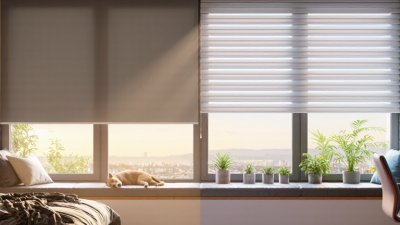
| 8 | Layered or Zebra Shades | Rooms where adjustable privacy and filtered daylight are needed | Alternating sheer and opaque fabric bands can be aligned to change the amount of light and visibility. | They generally do not provide the same edge-to-edge darkness as a well-fitted blackout shade. | Battery-powered or hardwired motorization is commonly offered, depending on the design. |
| 9 | Skylight Shades | Roof windows and hard-to-reach overhead glazing | Motorization makes opening and closing overhead shades easier; some systems use tracks or side channels to guide the shade. | Confirm the shade is designed for the specific skylight shape and installation angle. Power access can affect installation. | Battery, hardwired, or solar-assisted options may be available for compatible systems. |
| 10 | Exterior Roller Screens | Patios, balconies, and windows exposed to strong sun | Exterior placement can intercept sunlight before it enters the glazing; screen fabrics can reduce glare while retaining some view. | Outdoor systems need components rated for their exposure and local conditions. Wind limits and mounting requirements vary. | Typically motorized; power may be hardwired, battery-based, or solar-assisted depending on the system. |
Rankings are organized by common use case rather than a universal performance score. Available fabrics, power sources, controls, and installation requirements vary by product and window.
Start with the room, not the motor. Measure each window’s width and height, then note its direction, glare, and privacy needs. South- and west-facing rooms may benefit from solar-blocking fabric; bedrooms often need room-darkening coverage. The U.S. Department of Energy estimates that heat gain and loss through windows account for 25–30% of residential heating and cooling energy use. Better shading can help, but results depend on the window, climate, and daily settings. Lawrence Berkeley National Laboratory’s research on automated shading systems likewise highlights how strongly performance depends on these conditions.
Next, compare the complete cost: blinds, installation, power, and any control equipment. Battery-powered motors can suit a single window, while wired systems may make more sense during renovation or across many windows. Choose simple schedules if you want reliable daily use. More features are not always better. A phone-controlled blind is less useful if household members cannot operate it easily.
Tips: Check whether the motor works with your existing controls before buying. Ask for fabric samples and view them in afternoon light. Budget for replacement batteries, too. It is easy to underestimate those small costs.