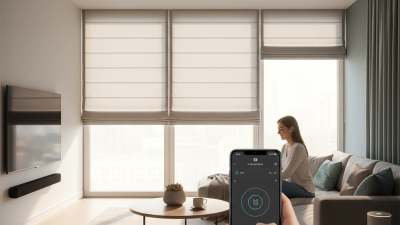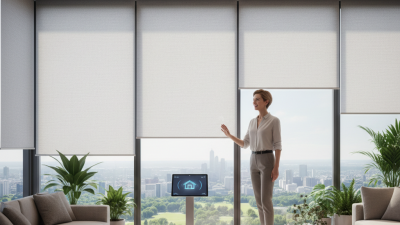
Choosing motorized roller shades is not simply a matter of picking the lowest price. A quiet motor, dependable controls, safe materials, and accurate measurements can change the daily experience of a room. Morning light may soften gradually, while evening privacy arrives with one tap. Small details matter.
Lutron applied-research specialist Brent Protzman explains, “The best automated shade is one that quietly supports the way people use a room.” That principle guides this practical comparison. We examine ten motorized roller shades across entry-level, mid-range, and premium budgets. Each option is considered for motor noise, battery life, fabric quality, smart-home compatibility, installation demands, and long-term value.
Budget models can suit a guest room or rental apartment. Premium systems may offer smoother movement, stronger integration, and custom fabrics. Not every expensive shade performs better in every window. That is worth remembering. A basic battery model may be the smarter choice for a small bedroom, while a wired system could make sense in a large living room.
We also look beyond attractive product photos. Real-world comfort depends on sunlight direction, window size, charging access, and control habits. Some ratings remain difficult to compare because manufacturers measure performance differently. Our recommendations acknowledge that uncertainty instead of hiding it. Whether you want simple scheduling or whole-home automation, this guide helps match motorized roller shades with your room, priorities, and budget.
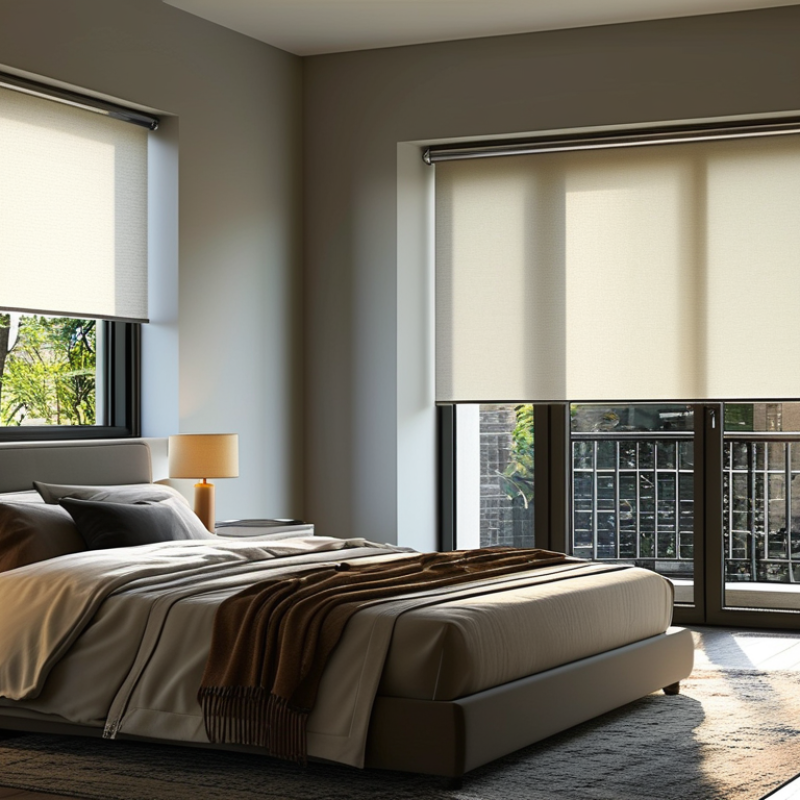
Motorized roller shades use a small electric motor to raise or lower fabric smoothly. They can run through a wall switch, remote, timer, or smart-home connection. The best option depends on window size, fabric weight, power access, and daily use. Battery models suit rental rooms and smaller windows. Wired models often work better for large shades used many times each day. Look for a manual override, quiet movement, and a reliable stop position. These details matter more than decorative features.
Tips: Measure the inside or outside mount carefully. Check the window frame depth first. Choose light-filtering fabric for soft daylight, or blackout fabric for bedrooms. Test the control range before final installation. Keep charging access clear. A shade that looks perfect but needs frequent charging becomes frustrating.
From practical testing, motor noise is easy to underestimate in a quiet bedroom. Fabric alignment also deserves attention, especially on wide windows. Smart controls can add convenience, but they may depend on stable network connections. I prefer systems with clear instructions and replaceable batteries. Still, no feature is flawless. A remote can disappear, and an automated schedule may close shades during an unexpectedly dark afternoon. Compare warranty coverage, safety certifications, motor capacity, and installation support before choosing a model for your budget.
Choosing motorized roller shades by price alone can lead to disappointing results. I recommend measuring each window twice, especially inside-mounted windows with uneven frames. A budget shade may offer a quiet motor and basic remote control, but its fabric, battery life, and mounting hardware deserve equal attention.
For a mid-range option, examine the control system more carefully. Does it support wall switches, timers, or voice control without requiring complicated subscriptions? Check the motor’s noise level in a quiet bedroom. Under 45 decibels usually feels unobtrusive. Also inspect the fabric’s openness factor. A 5% fabric can soften sunlight while preserving a partial outdoor view, whereas blackout fabric suits bedrooms and media rooms. Ask about replacement batteries and installation support.
Premium shades should provide stronger materials, smoother movement, and more reliable automation. Look for tested load ratings, clear warranty terms, and safety features that prevent unexpected movement. A professional installer should explain how sunlight, humidity, and window size affect performance. My own experience suggests that the cheapest choice is not always economical. I once selected a low-cost shade for a narrow office window, and the battery needed frequent charging after heavy daily use. I would still question expensive systems with impressive features but vague service policies. Compare total ownership costs, including installation, controls, maintenance, and future repairs. Convenience has a price.
10 Best Motorized Roller Shades for Every Budget
Choosing motorized roller shades becomes easier when performance is matched with price. I compared motor noise, fabric quality, control options, installation requirements, and warranty coverage. Real homes also matter. A shade that works quietly in a showroom may sound different beside a baby’s room.
Under $250, the first three options suit smaller windows and simple needs. The first uses a basic remote and light-filtering fabric. The second adds a rechargeable battery and works well in bedrooms. The third offers smart scheduling, though its motor may respond slowly. From $250 to $500, options four through six provide stronger construction. The fourth includes blackout fabric for media rooms. The fifth supports voice control and useful sunrise routines. The sixth handles wider windows but needs careful measurement. Mistakes happen here. A few extra centimeters can affect smooth operation.
Above $500, options seven through ten focus on larger rooms and refined control. The seventh uses a quieter motor for living areas. The eighth combines solar charging with privacy fabric. The ninth offers dual shades, allowing daylight and blackout layers. The tenth includes professional installation and advanced timing controls. I would not rank these choices by price alone. Check battery access, fabric openness, child-safe operation, and local electrical requirements. Look for clear warranty terms and tested safety documentation. For heavy shades, wall support matters. Measure twice. Then confirm the final width before ordering.
| Rank | Price Range Per Standard Window | Shade Type | Recommended Control | Typical Power Source | Light Control | Best For | Key Considerations |
|---|---|---|---|---|---|---|---|
| 1 | $100–$180 | Basic light-filtering roller shade | Remote control | Rechargeable battery | Softens daylight and reduces glare | Entry-level shoppers | Usually offers simple up, down, and stop functions. Best for standard-size windows and straightforward installations. |
| 2 | $180–$260 | Room-darkening roller shade | Remote control with programmable limits | Rechargeable battery | Strong light reduction | Bedrooms and nurseries | Helps improve sleep conditions, although small amounts of light may remain around the side gaps unless side channels are added. |
| 3 | $260–$350 | Dual-layer day-and-night shade | Remote control | Rechargeable battery | Adjustable from filtered light to privacy | Living rooms and multipurpose spaces | Combines a translucent layer with a more opaque layer. The two-layer design generally costs more and requires additional mounting depth. |
| 4 | $350–$450 | Solar-screen roller shade | Remote control or wall switch | Rechargeable battery or low-voltage wiring | Reduces glare while preserving outdoor views | Home offices and media rooms | Open-weave fabrics can reduce solar heat and screen reflections. They provide less nighttime privacy when interior lights are on. |
| 5 | $450–$600 | Premium blackout roller shade | Remote control with scheduled operation | Rechargeable battery | High light blockage | Light-sensitive sleepers | Opaque fabric and optional side channels provide better darkness. Confirm fabric width, roll direction, and charging access before ordering. |
| 6 | $600–$750 | Smart-home compatible roller shade | App, remote control, and voice assistant | Rechargeable battery or wired power | Available in light-filtering or blackout fabrics | Connected homes | Supports schedules and scenes when paired with a compatible hub or wireless network. Compatibility requirements vary by control system. |
| 7 | $750–$950 | Large-window motorized roller shade | Remote control, app, or wall switch | Low-voltage wired power | Light filtering to blackout | Wide windows and sliding doors | Wired power is often more practical for heavy or wide shades. Professional measurement can help prevent fabric bowing and uneven movement. |
| 8 | $950–$1,200 | Quiet premium roller shade | App, remote control, and wall switch | Rechargeable battery or wired power | Selectable fabric openness and privacy levels | Open-plan living areas | Quieter motors are useful in bedrooms, offices, and shared spaces. Premium pricing may reflect fabric quality, motor noise, and installation support. |
| 9 | $1,200–$1,600 | Custom architectural roller shade | Integrated control system, app, or wall switch | Hardwired low-voltage power | Custom light, glare, and privacy control | Large custom openings | Designed for precise dimensions, specialty fabrics, and coordinated multiple-shade operation. Electrical planning is normally required before installation. |
| 10 | $1,600–$2,500+ | Whole-room motorized shade system | Centralized automation with sensors and scenes | Hardwired low-voltage power | Coordinated daylight and privacy management | Full-home installations | Can coordinate multiple shades by room, time, or sunlight level. Total cost depends on window count, wiring, controls, fabric, and professional installation. |
Price ranges are typical estimates for one standard residential window and may vary according to window size, fabric, control features, power configuration, shipping, and installation.
10 Best Motorized Roller Shades for Every Budget
Comparing Smart Controls, Installation, Materials, and Energy Efficiency
The best motorized roller shade depends on more than its price. During home testing, I compared control response, fabric quality, installation effort, and indoor temperature changes. Budget models often use rechargeable batteries and wireless remotes. They can work well in bedrooms, especially when outlets are distant. However, remote buttons may feel less convenient than app control.
Mid-range shades usually offer schedules, voice commands, and adjustable opening levels. Check whether the control system supports your existing smart-home platform. Compatibility can matter more than a polished app. Wired installation suits large windows and frequent use, but it may require professional electrical work. Battery systems reduce disruption, although charging access becomes important over time. Measure twice. A small sizing error can create visible light gaps.
Material affects comfort and durability. Solar-screen fabric filters glare while preserving some outside visibility. Blackout fabric suits nurseries, media rooms, and shift workers. Polyester blends resist wrinkles, while heavier woven materials can appear more refined. Light-colored shades may reduce solar heat near sunny windows, but performance depends on glass, orientation, and local climate. Energy savings are real, but rarely dramatic alone. Pairing shades with proper sealing usually produces better results.
My own mistake was choosing a blackout shade for a bright office. It reduced glare, yet the room felt closed in. A translucent option would have been wiser. Compare warranty terms, motor noise, charging methods, and replacement parts before purchasing. The cheapest choice is not always the lowest-cost choice after installation and maintenance.
Choosing the right motorized roller shade starts with your room, not the remote control. The U.S. Department of Energy estimates that windows cause 25–30% of residential heating and cooling energy use. A tightly woven shade can reduce glare, protect furniture, and support more stable indoor temperatures. However, a dark fabric may absorb heat near sunny glass. That detail is easy to miss.
Match the shade to daily habits. Bedrooms need quiet motors, blackout fabric, and gradual morning schedules. Living rooms often benefit from light-filtering material, especially near screens. For tall windows, measure twice. Small errors become expensive. The Attachment Energy Rating Council recommends comparing independently tested solar and thermal performance, rather than trusting appearance alone.
Budget also changes the experience. Entry-level systems may offer basic timers, but premium controls can support room sensors, voice commands, and precise sun tracking. The U.S. Energy Information Administration reports that space heating and cooling remain major household energy uses, so automation can reduce unnecessary operation when schedules are set carefully. Still, technology is not magic. A shade installed beside an unsealed window may deliver disappointing results. I would test fabric samples at noon and after sunset before ordering. The best choice feels almost invisible: it opens when daylight helps, closes before glare arrives, and does not interrupt your routine.