
How to Choose the Best Wooden Blinds for Windows?
Choosing wooden blinds for windows involves more than matching a stain to your furniture. The right design must control sunlight, protect privacy, and fit the window accurately. It should also suit your daily habits. A kitchen window faces grease and moisture. A bedroom may need stronger light reduction. A wide living-room window needs stable slats and dependable support.
Window-treatment expert Lou Manfredini advises, “The best window covering is the one that fits the window, the room, and the way you live.” That practical view matters when comparing basswood, paulownia, and composite wood. Real wood creates warmth through visible grain and changing tones. Composite materials can offer easier maintenance in humid spaces. Neither choice is perfect.
Measure twice.
An experienced installer checks the recess depth, handle position, and window opening before ordering. Small errors can leave light gaps or cause the blind to scrape the frame. Slat size also changes the room’s character. Fifty-millimetre slats create broader views and a cleaner appearance. Narrower slats may suit smaller windows and traditional interiors.
Safety deserves attention too. Choose cordless or compliant operating systems, especially in homes with children or pets. Sample the finish beside your flooring and wall colour. Screens can distort colour. I have found that a beautiful sample may look unexpectedly yellow beside warm oak. That is easy to overlook.
This guide explains how to compare materials, sizes, mounting options, privacy levels, and care requirements. It also questions a common assumption: the most expensive wooden blinds for windows are not always the best choice. Fit, function, and honest installation advice usually matter more.
What Are Wooden Blinds and How Do They Work?
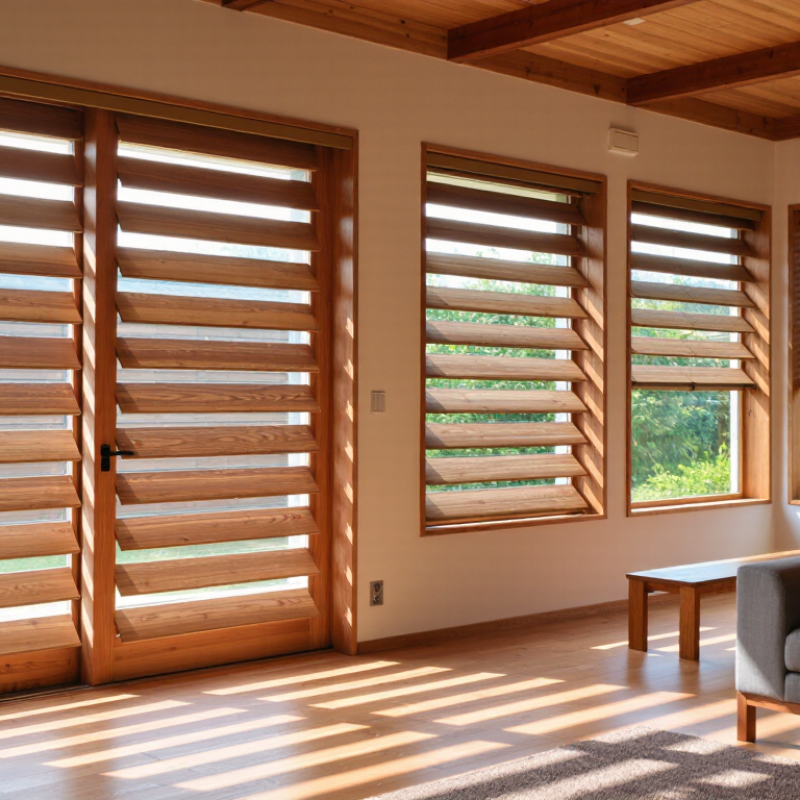
Wooden blinds are window coverings made from horizontal slats, usually crafted from basswood or another lightweight timber. A headrail holds the operating parts, while ladder strings or fabric tapes support the slats. When closed, the slats overlap to reduce incoming light and provide privacy. They are not a complete seal, though; narrow gaps can still let daylight through.
A tilt wand or control cord rotates the slats, shifting the room from bright and open to softly shaded. Raising cords gather the slats near the headrail, exposing more of the glass. The movement is simple, but the details matter. Slats should tilt evenly without scraping, and the cords should run smoothly. I have found that a quick test in the showroom can reveal stiffness that is easy to miss in a product photo.
Wood responds to moisture and temperature. In a dry bedroom or living room, it can stay stable for years with gentle dusting. A steamy bathroom is less forgiving; slats may warp or finish unevenly over time. Measure the window carefully, including depth, and check that the headrail can sit securely. One detail people sometimes overlook is how the slats look from outside when tilted. It can be a little different than expected.
| Feature or Decision | What It Means | How to Choose |
|---|---|---|
| What wooden blinds are | Window coverings made from horizontal wood slats connected by ladders or cords. The slats can be raised, lowered, or tilted. | Choose them when you want adjustable daylight, privacy, and the natural appearance of wood. |
| How they work | A lift mechanism raises or lowers the blind; a tilt mechanism rotates the slats to change the amount and direction of incoming light. | Consider the operating method that is easiest and safest for the room. Cordless options remove loose operating cords. |
| Slat width | Common widths include approximately 1 inch, 2 inches, and 2.5 inches. Wider slats generally leave a more open view when tilted. | Match the slat size to the window and the look you prefer. Check the product’s actual measurements before ordering. |
| Real wood or faux wood | Real wood offers natural grain and is generally lighter than many faux-wood alternatives. Faux-wood blinds are often made from PVC or composite materials. | Choose real wood for dry rooms and a natural finish. For humid areas such as bathrooms, check the manufacturer’s moisture guidance; faux wood is often a more suitable option. |
| Light and privacy | Tilting the slats adjusts light and visibility, but small gaps can remain between slats and at the edges. | For stronger room darkening, consider blinds designed for that purpose or add curtains. Do not assume standard wooden blinds provide complete blackout. |
| Inside or outside mount | An inside mount fits within the window frame. An outside mount is installed on the wall or trim around the window. | Use an inside mount when the frame has enough depth and you want a built-in appearance. An outside mount can cover more of the window opening. |
| Measuring | Measurements depend on the mounting style and the specific product. Inside mounts must fit the frame; outside mounts need enough coverage around it. | Measure the width and height at multiple points, follow the product’s measuring instructions, and use the supplier’s required deductions or allowances. |
| Colour and finish | Wood blinds are available in stained and painted finishes; natural grain and colour can vary between pieces of real wood. | Compare a sample with your flooring, trim, and furnishings. Check how the finish looks in both natural and artificial light. |
| Cleaning and care | Dust can collect on slats. Excess moisture may damage some real-wood finishes or cause warping. | Dust regularly with a soft cloth or suitable duster. Follow the care instructions and avoid soaking real-wood slats. |
| Child safety | Loose cords can create a strangulation hazard for young children. | Choose cordless blinds or another child-safe operating system, and follow the installation and safety instructions. |
Related Posts
-
Why Choose Wooden Blinds for Windows in Your Home?
-

China Top Wood Blinds Manufacturers for Global Buyers
-

How to Choose the Best Remote Control Blinds for Your Home?
-

Top 10 Roller Blinds for Windows to Enhance Your Home Décor
-
How to Choose the Best Horizontal Blinds for Your Home: A Complete Guide
-

Best Roller Blinds for Windows What You Need to Know?

