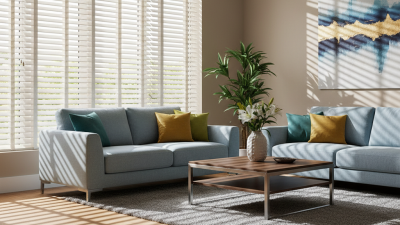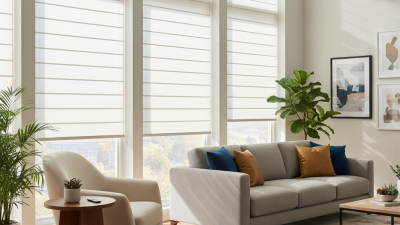
Ordering blinds online in 2026 can be convenient, but a polished product page cannot measure your window for you. The U.S. Census Bureau reported that e-commerce represented 16.1% of total U.S. retail sales in 2024, showing how routine online purchasing has become. Houzz’s 2025 U.S. Houzz & Home Study also reported a $20,000 median renovation spend for 2024. These figures describe broader shopping and home-improvement trends, not blind purchases alone. Still, they explain why more homeowners compare options online before calling an installer.
Details matter. Interior design expert Nate Berkus has said, “Your home should tell the story of who you are, and be a collection of what you love.” That idea applies to choosing blinds, but measurements matter just as much as appearance. Before you order blinds, check whether the product is inside- or outside-mounted, confirm the measuring instructions, and compare fabric samples in daylight. A narrow recess, uneven sill, or handle in the wrong place can change the result. It happens.
This guide explains how to compare styles, materials, light control, privacy, prices, and delivery terms. It also covers the practical checks that are easy to miss on a small phone screen, including measuring more than once and checking return policies for made-to-measure products. Online ordering can save time, but it is not automatically simpler. A few careful checks can prevent a costly mismatch; even then, older or irregular windows may need professional advice.
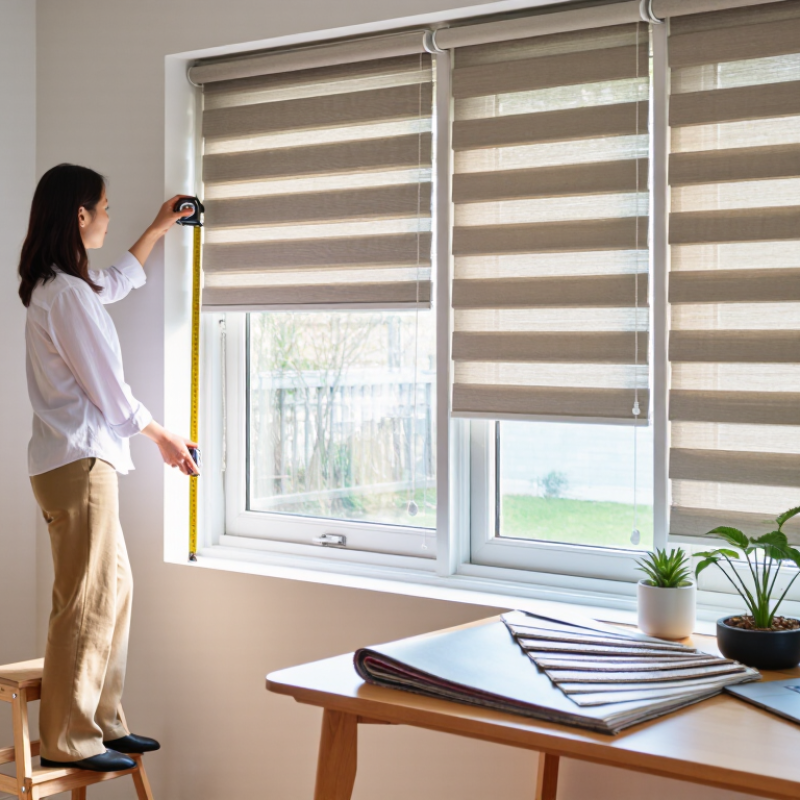
Before ordering blinds online in 2026, identify each window’s shape, frame depth, and mounting surface. Measure width and height at several points; older frames can be uneven. Decide whether an inside mount’s clean edges matter more than an outside mount’s extra coverage. A few millimetres can affect fit.
Then match fabric and operating style to your daily routine. Sheer materials soften glare but offer limited nighttime privacy. Room-darkening options suit bedrooms, though side gaps may still admit light. Night changes everything. The U.S. Department of Energy’s 2013 report, Energy Savings from Window Attachments, notes that well-fitted cellular shades can reduce window heat loss by 40% or more and unwanted solar heat gain by up to 60%. Actual results depend on fit, window type, and conditions; treat the figures as guidance, not a promise. Consider sunlight direction, screen glare, and whether you need privacy after dark.
Tips: Photograph each window and label its measurements before adding products to your cart. Check whether measurements should include brackets or fabric, and review return terms for made-to-measure items. Small gaps matter. Re-measuring feels tedious, but it can prevent an expensive mismatch.
Compare common blind and shade styles by their typical privacy and light-control capabilities.
How to use this guide: Measure each window, choose an inside or outside mount, then match the style to your privacy and daylight goals. Ratings are qualitative comparisons, not measured product specifications. Actual results depend on fabric, fit, and installation; sheer materials may not provide nighttime privacy when indoor lights are on.
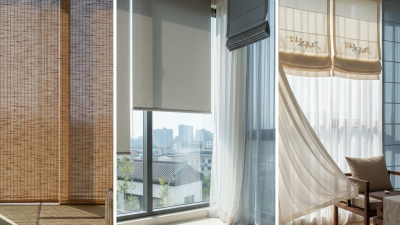
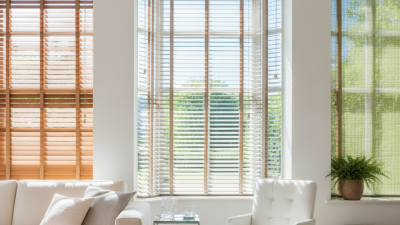
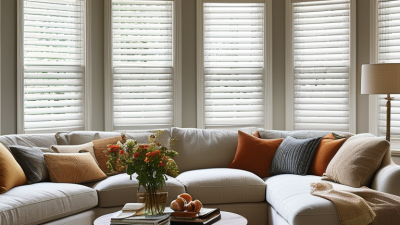
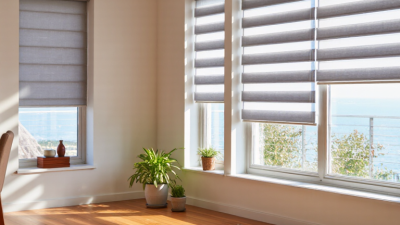
When ordering blinds online, match the style to the room’s use. Roller blinds create a clean profile and suit compact windows. Venetian blinds offer adjustable slats for changing daylight, while cellular blinds can help reduce heat transfer. Check how each option fits your window frame before choosing. For kitchens or bathrooms, compare moisture-resistant materials, such as suitable synthetic fabrics or treated finishes. Wood brings warmth, but may not suit damp spaces.
Color can look different on a screen. Compare product photos with your wall color, flooring, and window trim, then order a sample if available. A soft neutral may blend in; a darker shade can frame the view. Operating options matter, too. A corded control may be simple, while a cordless lift can keep dangling cords out of reach. Motorized controls can help with tall or hard-to-reach windows, but check power and installation requirements. Small details count.
Tips: Measure each window separately, even if two look identical. Record width and height in the units requested, and follow the seller’s instructions for inside or outside mounting. Check fabric opacity at different times of day. It is easy to focus on color and miss privacy needs. I would double-check that part.
| Blind Type | Common Materials | Color Choices | Light and Privacy | Operating Options | Often Suited To | Before Ordering |
|---|---|---|---|---|---|---|
| Venetian blinds | Aluminum, painted wood, or faux wood | White, neutrals, wood tones, and a range of accent colors | Tilting slats allow adjustable light and privacy; gaps may remain between slats. | Wand tilt with cord lift, cordless lift, or motorized controls, depending on the product. | Kitchens, home offices, and rooms where adjustable daylight is useful | Check slat width, window depth, and whether the chosen material suits the room’s humidity. |
| Vertical blinds | Fabric, PVC, or other coated materials | Solid neutrals, textured finishes, and selected patterns | Rotating vanes adjust light and privacy; the vanes can be drawn to one side or split. | Wand or chain control; some configurations offer motorized operation. | Wide windows and sliding glass doors | Confirm the track direction, stack side, and clearance around handles or door frames. |
| Roller shades | Light-filtering or blackout fabric, including some moisture-resistant options | White, gray, beige, earth tones, and assorted fabric colors | Fabric openness and lining determine how much daylight enters; blackout fabric blocks most incoming light when properly fitted. | Chain, cordless spring mechanism, or motorized operation, depending on the model. | Bedrooms, living spaces, and windows with a simple, streamlined look | Compare fabric openness, side gaps, cassette options, and whether a blackout lining is included. |
| Roman shades | Woven or upholstery-weight fabrics, sometimes with a lining | Many fabric colors, textures, and patterns | Privacy and light control vary by fabric and lining; folds create a soft, layered appearance. | Cordless lift, chain control, or motorized operation may be available. | Living rooms, dining rooms, and bedrooms where fabric texture is preferred | Review how the shade stacks when raised and allow for the headrail depth specified by the seller. |
| Cellular (honeycomb) shades | Cellular fabric with single-cell or double-cell construction | Commonly available in whites, neutrals, and selected colors | Available in light-filtering and blackout versions; cellular pockets can help reduce heat transfer through the window. | Top-down/bottom-up, cordless, or motorized options may be offered. | Bedrooms, home offices, and rooms where insulation is a consideration | Check cell size, fabric opacity, and whether the window frame has enough depth for the selected design. |
| Woven wood shades | Natural woven fibers such as bamboo, reeds, grasses, or similar materials | Natural tan, brown, and other organic tones; appearance varies by weave and material | Light may filter through the weave; an optional liner can increase privacy and reduce incoming light. | Cordless lift, chain control, or motorization may be available. | Living areas and spaces where a natural texture is desired | Natural materials can vary in color and texture; check the product details for liner and moisture guidance. |
Ordering tip: Measure each window separately and follow the seller’s measuring instructions for an inside or outside mount. Availability, control options, and material suitability vary by product; check the specifications before purchasing.
Before ordering blinds online, measure every window separately, even if two openings appear identical. Houses settle, frames shift, and small differences matter. Use a steel tape measure, keep it level, and write down whether each figure is in inches or centimeters. A phone note or simple table helps prevent numbers from getting mixed up.
For an inside mount, measure the width near the top, middle, and bottom of the window opening. Record all three measurements, then check the seller’s instructions before choosing which one to enter. Measure the height on the left, center, and right as well. Don’t assume the opening is perfectly square. It may not be.
Note protruding handles, locks, or trim that could interfere with the blind. For an outside mount, measure the area you want the blind to cover, including any overlap beyond the frame. There is no universal overlap amount; light control and available wall space both matter.
I might be tempted to round a fraction for convenience, but that can create an avoidable gap. Keep the original readings and review them once before placing the order.
Ordering blinds online in 2026 means comparing more than sticker prices. General home-improvement retailers often offer standard sizes and quick delivery; specialist online shops may provide more fabrics, control types, and made-to-measure options. Compare what each quote includes. A low price can exclude samples, upgraded brackets, or installation.
Customization affects both fit and cost. Check whether the blind mounts inside or outside the window frame, then measure width at the top, middle, and bottom. Use the retailer’s measuring instructions; even small errors can leave visible gaps. Add shipping, motorization, installation, and removal of old blinds to the total. A spreadsheet helps. It cannot show how a fabric looks at dusk. Request a sample if color matters, and read the return policy closely: custom dimensions may limit returns.
The U.S. Department of Energy estimates that heat gain and loss through windows account for 25%–30% of residential heating and cooling energy use. That figure covers windows broadly, not savings guaranteed by any blind. Still, light-filtering and insulating features may matter in a sunny room or near a drafty pane. The National Retail Federation’s 2024 Retail Returns Landscape estimated a 17.6% return rate for online purchases overall; it is not blinds-specific, but it underscores why fit checks and clear policies matter.
Before submitting your order, compare each blind’s details with your measurements and window notes. Check width, height, mount type, fabric, color, and control position. A small measurement mistake can affect fit, especially in older homes where window frames may not be perfectly square. I have found that reviewing one window at a time is less confusing than checking several identical-looking products together. Still, it is easy to miss a detail. Pause before checkout.
Review the order summary and confirm quantities, room labels, and any custom specifications. Save a copy of the confirmation and note the estimated shipping window. Delivery dates can shift, so avoid scheduling installation too tightly around the expected arrival. Check whether the shipment comes to your door or requires a signature, and make sure the delivery address is accessible for a large package. Then read the installation details carefully. Some orders include fitting service; others require separate scheduling or self-installation. Confirm what tools or preparation may be needed, and clear furniture away from the window before the installer arrives. If a measurement or service detail still seems uncertain, contact customer support before placing the order. It is slower, but usually less stressful.