Why choose shades and blinds for your home? The answer is not only appearance. The right window coverings can help manage daylight, privacy, glare, and indoor comfort. The U.S. Department of Energy estimates that windows account for about 25–30% of residential heating and cooling energy use. That figure is not a guaranteed saving from adding blinds. Results depend on the window, local climate, product, and fit. Still, it shows why window coverings deserve a place in practical home planning.
Interior designer Nate Berkus offers a useful design principle: “Your home should tell the story of who you are, and be a collection of what you love.” Shades and blinds can support that story, from soft fabric shades in a quiet bedroom to adjustable slats beside a bright kitchen table. They also make ordinary choices visible: how much morning sun reaches the floor, or whether a screen stays clear without sacrificing privacy. Small details matter.
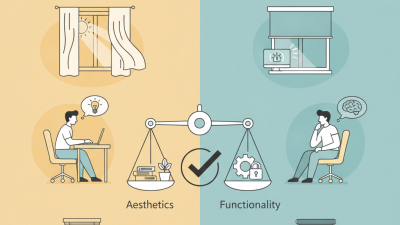
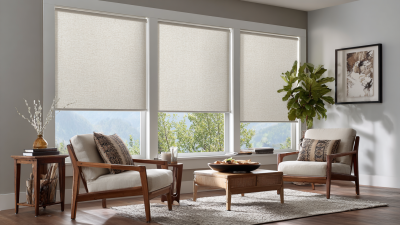
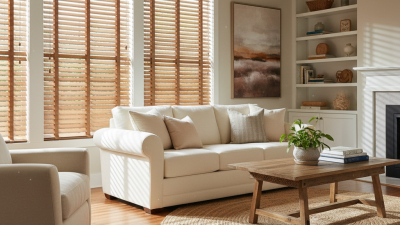
There is no single best option. Cellular shades, roller shades, and blinds each handle light and views differently. A poor fit may leave bright edges, while a heavy fabric can feel out of place in a compact room. Measure carefully, compare materials, and consider how you actually use each space. Looks matter. So does daily function. The thoughtful choice may be less dramatic than expected—and that is worth considering.
The U.S. Department of Energy estimates that windows account for about 25–30% of home heating and cooling energy use. That share varies with climate, window condition, and how well a home is sealed. On a sunny afternoon, west-facing glass can warm a room quickly, while the air conditioner keeps running. In winter, cold glass can make a chair beside the window feel uncomfortable. Small details matter.
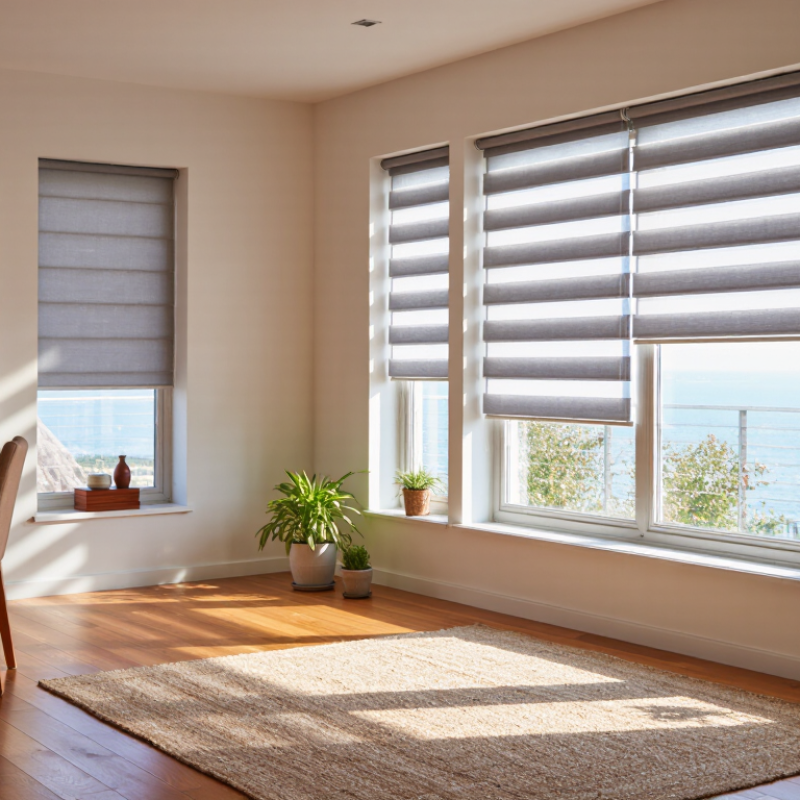
Shades and blinds help manage sunlight, glare, and some heat transfer. Close them during intense summer sun; open them when winter daylight can warm a room. Cellular shades can trap air, while light-colored or reflective surfaces may reduce solar gain. Fit matters, too. Gaps around coverings let light and heat pass, and ordinary blinds cannot seal drafts. Still, I would not expect a new shade to fix a leaky window. Not a magic fix.
Check each room at different times of day: notice afternoon glare, chilly spots, and coverings that rarely get used. The DOE figure is a useful national estimate, not a prediction for every home. Window type, installation, and occupant habits all affect results. A shade that helps one room may do little for another, which is worth considering before choosing.
Windows can be a significant source of heat loss in cold weather and heat gain in warm weather. Shades and blinds can help manage sunlight and improve comfort. Bars show the lower and upper ends of the estimated range, not separate household categories.
Source: U.S. Department of Energy (DOE). Figures are an estimated range.
At 8 a.m., sunlight can brighten a kitchen but also wash out a laptop screen. Adjustable shades and blinds let you soften that light without turning the room dark. Tilted slats redirect sun toward the ceiling; a lowered shade can reduce glare across a desk. The best setting may change by the hour. That difference matters.
Privacy depends on fabric, slat angle, and the view outside. A light-filtering shade can blur the view from the street while keeping a room bright, but it may not provide privacy after dark when interior lights are on. For bedrooms, denser materials or layered window coverings offer more control. Check the effect from outside at night before settling on a setup.
Daylight control can also affect energy use. The U.S. Department of Energy says windows account for about 25–30% of residential heating and cooling energy use. Its Energy Saver guidance reports that insulated cellular shades can reduce window heat loss by 40% or more, equivalent to roughly 10% heating-energy savings; results depend on the home and installation. Those figures are not a promise for every shade. And there is a trade-off: a closed covering may ease glare, yet obscure a view you enjoy. (U.S. Department of Energy, “Update or Replace Windows” and “Energy Efficient Window Coverings”)
Cellular shades are designed with honeycomb-shaped pockets that trap still air beside the window. That extra layer can slow heat moving from a warm room toward cold glass. The U.S. Department of Energy says cellular shades can reduce window heat loss by 40% or more when properly installed. The figure is a useful benchmark, not a promise for every home.
Fit matters. A shade that sits close to the frame leaves fewer gaps for chilly air to slip around its edges. On a winter evening, lowering it before the room cools can help keep the space more comfortable. Small gaps matter. During sunny hours, opening the shade can let sunlight warm the room, though cloudy windows and shaded exposures offer less benefit.
Results depend on the window, climate, installation, and how consistently the shade is used. A drafty frame may still need attention; a fabric shade cannot repair it. Compare comfort near the glass, and note heating use over similar weather periods if you want a practical check. The numbers may not match the estimate exactly. That is worth considering before choosing a shade based on savings alone.
Material affects how a shade handles sunlight and heat. A thin, light-filtering fabric softens glare but still lets daylight enter. Room-darkening and reflective materials block more light, though they may make a small room feel dim.
The U.S. Department of Energy reports that windows account for about 25–30% of residential heating and cooling energy use.
Fit matters. A shade mounted inside the frame can leave narrow side gaps, where bright sun still slips through. An outside mount often covers more of the glass, but measurements must allow for handles and trim.
Layered cellular shades can create pockets of still air. The Department of Energy says cellular shades can reduce window heat loss by 40% or more and unwanted solar heat gain by up to 60%, depending on installation and conditions.
Small gaps count. A precise fit helps, but it cannot fix every draft or poorly insulated window.
For west-facing rooms, a reflective backing may limit afternoon heat; in cooler climates, a close-fitting insulating shade can matter more. I would not choose by fabric sample alone: test the material against the actual window, since color and texture can look different in strong daylight.
Why Choose Shades and Blinds for Your Home?
How to Choose, Install, and Maintain Window Coverings for Each Room
Choose coverings around each room’s light, privacy, and moisture needs. In a bedroom, room-darkening shades can soften early sunlight and help create a quieter-feeling space. Living rooms often benefit from adjustable blinds, which let you direct daylight away from a screen. For kitchens and bathrooms, look for materials that tolerate humidity and are easy to wipe clean. Measure each window, including its depth; even a small error can leave gaps or make a shade sit unevenly. The perfect option may not exist.
Tips: Check how the light moves through the room at different times. Consider cordless designs where children or pets are present. Keep a small gap in mind if you want to preserve an outside view.
Before installing, confirm the brackets fit the window frame or wall and use the supplied hardware instructions. Don’t force a bracket into a weak surface; choose a suitable mounting point instead. Dust blinds regularly with a soft cloth, and clean shades according to their material. Test cleaners on a hidden area first. One easy-to-miss detail: nearby heating vents can affect some fabrics over time, so check the placement before you install.
| Room | Common Needs | Suitable Coverings | Selection Tips | Installation Notes | Care and Maintenance |
|---|---|---|---|---|---|
| Living Room | Flexible daylight, reduced glare, and daytime privacy. | Roller shades, cellular shades, or adjustable horizontal blinds. | Consider how the windows face and where screens or televisions are positioned. Light-filtering fabrics soften daylight but do not provide complete privacy at night. | For an inside mount, measure the window opening at several points and check the product’s minimum depth requirement. | Dust regularly with a soft cloth or vacuum brush attachment; follow the fabric or finish care instructions. |
| Bedroom | Privacy and less incoming light for sleeping. | Blackout roller shades, room-darkening cellular shades, or blinds paired with curtains. | “Blackout” fabric blocks light through the material, but light may still enter around the edges. An outside mount or side channels can reduce gaps. | Secure brackets into suitable framing or use anchors rated for the wall material; follow the manufacturer’s instructions. | Keep fabric dry and clean dust from the headrail and operating components. Avoid harsh cleaners unless the care label permits them. |
| Kitchen | Easy cleaning, daylight control, and clearance from cooking areas. | Moisture-resistant roller shades or blinds with wipeable slats. | Choose a finish that can be cleaned according to its care instructions. Keep coverings away from open flames, hot surfaces, and sources of grease or steam. | Check that the covering will clear faucets, handles, and countertop appliances before deciding on an inside or outside mount. | Wipe suitable slats with a damp cloth and dry them afterward. Do not soak mechanisms or fabric unless the manufacturer allows it. |
| Bathroom | Privacy and resistance to humid conditions. | Moisture-resistant blinds or shades rated for damp rooms. | Verify the product’s moisture guidance; not every material is suitable for a humid bathroom. Use a covering that provides the desired privacy when lit from indoors. | Measure carefully around window trim and any nearby fixtures. Follow the instructions for the chosen mounting surface. | Ventilate the room, wipe away condensation when appropriate, and clean according to the product’s material-specific instructions. |
| Home Office | Control of screen glare while retaining useful daylight. | Adjustable blinds, light-filtering roller shades, or top-down/bottom-up shades. | Adjustable slats can redirect daylight; fabric shades offer a more even filtered effect. Test the preferred position at different times of day. | Check for obstructions such as desk lamps, monitor arms, and window handles before locating brackets. | Dust slats and shades regularly. Operate the covering gently and inspect cords or controls for wear. |
| Nursery or Child’s Room | Light control and reduced risks from accessible cords. | Cordless shades or blinds, installed and used according to safety instructions. | Choose a product with an operating system designed to limit access to cords. Keep beds, cribs, and furniture away from windows and operating components. | Install all supplied safety devices and follow the product’s mounting and use instructions. Check that brackets are secure. | Inspect the covering and its hardware periodically for loose parts, damage, or wear; repair or replace damaged components promptly. |
Measurement and installation requirements vary by product and window. Always follow the covering manufacturer’s instructions and applicable child-safety guidance.