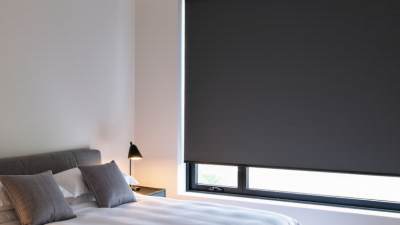
Top Black Out Shades for Better Sleep and Privacy

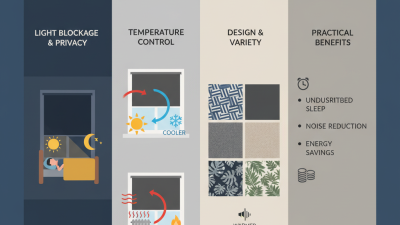
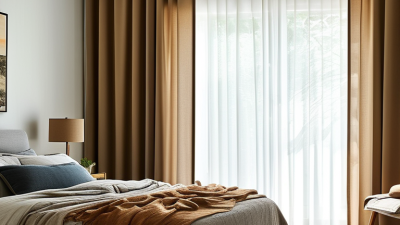
A dark bedroom can change how quickly the body settles at night. Streetlights, early sunlight, and nearby apartment windows often interrupt that calm. The best black out shades reduce these distractions while adding a stronger sense of privacy. They can make a bedroom feel quieter, cooler, and more restful.

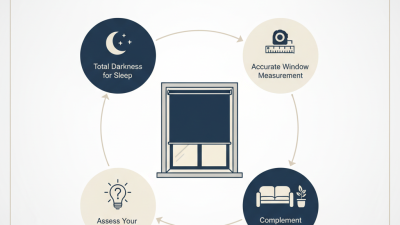
Choosing the right shade involves more than picking the darkest fabric. I have found that side gaps often matter as much as the material itself. A shade may block most light, yet thin edges can still glow at dawn. Accurate window measurements, an inside mount, and proper coverage can improve the result. Fabric weight, thermal lining, operating style, and installation quality also deserve attention. Small details matter.

Not every product performs equally well. Some shades promise complete darkness but allow a faint halo around the frame. That does not make them useless, but it requires honest expectations. Independent testing, clear product specifications, and customer feedback provide useful evidence. However, room layout and window design can change the experience. A reliable choice should balance darkness, privacy, appearance, safety, and daily convenience. This guide compares leading options for different bedrooms and budgets, while recognizing that personal sleep needs vary. The goal is practical guidance, not an exaggerated promise of perfect sleep.
Top Black Out Shades for Better Sleep and Privacy

What Blackout Shades Are and How They Improve Sleep and Privacy

Top Blackout Shades for Better Sleep and Privacy

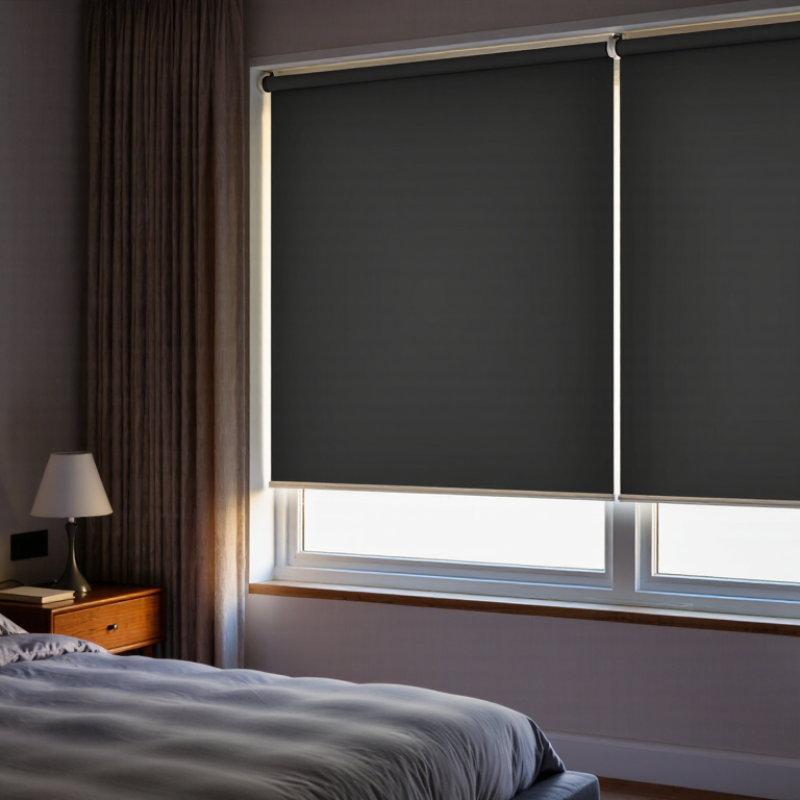
Blackout shades are window coverings designed to block nearly all incoming daylight. Their dense fabric and layered backing create a darker room than ordinary curtains. They also reduce visibility from outside, especially at night when indoor lights are on. In my experience, a bedroom with fewer bright edges feels calmer before sleep. Streetlights disappear. Morning glare becomes less distracting. Still, no shade performs perfectly if light enters around the frame.

Darkness supports the body’s natural sleep rhythm. A dim bedroom may help people fall asleep more comfortably and avoid early waking from sunrise. Blackout shades can also improve privacy in bedrooms, nurseries, and street-facing living spaces. For better results, choose shades that fit closely inside or outside the window frame. Side gaps matter. I once underestimated them, and a narrow strip of light still reached the pillow. That small mistake was surprisingly noticeable.

Tips: Measure the window in three places, because frames are rarely perfectly even. Select moisture-resistant materials for bathrooms or humid rooms. Check how the shade operates before installation, especially near children or pets. Clean the fabric gently with a soft brush or vacuum attachment. Consider thermal backing, but remember that blackout and insulation are not exactly the same. A darker room can help, yet comfortable temperature and quiet surroundings still influence sleep.

Key Features to Consider When Choosing Blackout Shades

Blackout shades should be judged by more than darkness. In a bedroom, check the side gaps, top rail, and fabric density. Even a small opening can let in a sharp strip of morning light. A close-fitting frame or side channel usually improves privacy. It may not look as soft, though.

Choose a shade with a high-quality blackout backing and a smooth, stable mechanism. Light-colored rooms can feel calmer, while darker fabrics may absorb more sunlight and reduce glare. Measure the window in three places, because older frames are rarely perfectly square. Record the smallest width for an inside mount. This small step prevents visible gaps. I have found that cordless operation also keeps the area cleaner and safer around beds and desks.

Thermal performance deserves attention, especially near glass that feels cold at night. Look for insulating layers, durable stitching, and care instructions that match your cleaning habits. Test the shade at different times, not only in a showroom. Privacy can change when indoor lights turn on. Some materials block daylight well but reveal silhouettes after dark. That detail is easy to miss. I would also question claims such as “total blackout” unless installation conditions are clearly explained. No shade performs perfectly on every window, and expectations sometimes need adjusting.

Types of Blackout Shades for Different Windows and Room Needs

Blackout shades work best when their design matches the window and the room’s purpose. Roller shades suit standard bedroom windows because their flat fabric blocks light with a clean profile. For wider windows, consider linked roller shades or layered curtains. One continuous shade can become heavy and difficult to operate.

Cellular shades fit nurseries and home offices well. Their honeycomb structure helps reduce light and may improve temperature control near cold glass. They also fold neatly inside the frame. However, the edges can still allow narrow strips of brightness. An outside mount usually covers more of the window area.

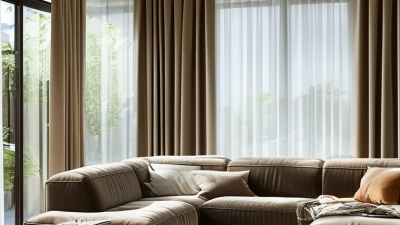
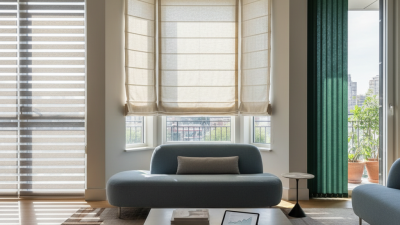
Roman shades bring a softer, more decorative appearance to guest rooms and living spaces. They need sufficient clearance above the window when raised. For skylights, angled windows, or unusually shaped openings, specialized blackout panels are safer than forcing a standard shade. In bathrooms, choose moisture-resistant materials and check ventilation. No shade is perfect; even small gaps can disturb light-sensitive sleepers.

Tips: Measure the glass, frame, and surrounding wall twice. Inside mounts look tidy, while outside mounts usually block more light. Add side channels or overlapping curtains for children’s rooms. Test the shade at night before final installation. I once underestimated a bright streetlamp, and the narrow gap mattered more than expected. Consider cordless operation where safety and easy cleaning are priorities.

Top Blackout Shade Materials, Styles, and Light-Blocking Levels

Top Blackout Shade Materials, Styles, and Light-Blocking Levels

Material determines more than appearance. Tightly woven polyester blocks light well and resists moisture in humid rooms. Foam-backed fabric adds darkness, but it can feel heavier and less breathable. Cellular shades trap air inside honeycomb pockets. The U.S. Department of Energy reports that cellular shades can reduce window heat loss by up to 20%. That benefit may support a cooler, quieter bedroom, although installation quality matters.

Styles affect the remaining light. Roller shades offer a clean blackout surface, while Roman shades add folds and softness. Layered shades provide stronger control across changing daylight. Look for blackout fabric, an opacity rating, and side channels that reduce edge leakage. The room may still glow around the frame. A perfect blackout is rarely perfect. According to the CDC, about one in three U.S. adults regularly sleeps less than seven hours, so small light improvements deserve attention.

Tips: Test samples at night. Place a lamp behind the fabric. Check the top, bottom, and side gaps. For children’s rooms, choose cordless operation and follow current safety guidance. Dark fabric is not always better; lining and coverage usually matter more. Measure twice, especially around deep window trim. A shade that misses by a few millimeters can admit a surprisingly bright line.

Top Black Out Shades for Better Sleep and Privacy - Top Blackout Shade Materials, Styles, and Light-Blocking Levels

Shade Material Common Style Typical Light Blocking Privacy Level Insulation Key Advantages Best Use Important Consideration
Coated Polyester Roller shade 90–100% Very high Low to moderate Smooth appearance, easy to clean, widely available, and suitable for precise light control. Bedrooms, nurseries, home offices, and media rooms. Light can enter around the sides, top, or bottom unless the shade is closely fitted or paired with side channels.
Triple-Weave Fabric Roller or Roman shade 85–99% High to very high Moderate Soft textile appearance, multiple color options, and better thermal performance than thin single-layer fabric. Living spaces and bedrooms where décor is as important as darkness. The exact darkness depends on fabric construction, window coverage, and installation quality.
Cellular Fabric with Blackout Liner Cellular or honeycomb shade 95–100% Very high High Air pockets help reduce heat transfer, while the liner provides strong darkness and privacy. Bedrooms exposed to outdoor temperature changes. Cell depth and fabric structure can make the shade thicker than a standard roller shade.
PVC-Coated or Vinyl Fabric Roller shade 95–100% Very high Moderate Dense surface, strong privacy, and simple wipe-clean maintenance. Bathrooms, kitchens, rental properties, and rooms requiring frequent cleaning. May feel less soft than woven fabric and can show creases if stored or handled improperly.
Blackout-Lined Woven Fabric Roman shade or drapery-style shade 90–99% Very high Moderate to high Offers a tailored, decorative appearance and can add visual softness to a room. Primary bedrooms, guest rooms, and formal interiors. More folds and seams may create small light gaps compared with a flat roller shade.
Aluminum Slat Horizontal Venetian blind 70–95% Moderate to high Low Adjustable slats allow directional daylight control and ventilation when partially open. Kitchens, offices, and rooms needing flexible daylight adjustment. Slat holes, cord routes, and edge gaps can reduce total darkness.
Wood or Faux-Wood Slat Venetian blind 75–95% Moderate to high Low to moderate Provides a substantial appearance, adjustable privacy, and effective glare reduction when closed. Living rooms, dining rooms, and bedrooms with a traditional interior style. Slat overlap and side gaps mean it usually does not create a fully dark room.
Blackout Roller Shade with Side Channels Channel-guided roller shade 98–100% Maximum Moderate Side channels and close-fitting components minimize perimeter light leakage. Shift-work bedrooms, nurseries, home theaters, and highly sun-exposed windows. Usually costs more and requires accurate measuring for proper channel alignment.

Note: Light-blocking percentages are practical comparison ranges rather than universal laboratory ratings. Actual performance depends on fabric construction, shade fit, mounting position, window size, and perimeter gaps.

Installation, Maintenance, and Safe Use of Blackout Shades

Blackout shades work best when installation is measured, not guessed. Measure the window at three points, then use the narrowest width for an inside mount. Leave enough clearance for smooth movement and ventilation. The U.S. Department of Energy reports that cellular shades can reduce window heat loss by up to 20%, although ordinary blackout fabric may perform differently. That difference matters.

Mount brackets into solid framing whenever possible. Use suitable anchors for drywall, and check every screw after one week. A shade that tilts can leave bright gaps and create uneven tension. Clean the fabric with a soft brush or low-suction vacuum. Avoid soaking it. Moisture can encourage mildew around the lower hem, especially in humid bedrooms. I would not trust a “perfect fit” without checking the shade at night.

Safety needs regular attention. Keep cords, chains, and control loops away from beds, cribs, and climbing furniture. The U.S. Consumer Product Safety Commission identifies accessible window-covering cords as a serious strangulation hazard. Choose cordless controls where practical, and secure operating loops high on the wall. Inspect brackets, cords, and bottom rails monthly. Replace damaged parts instead of improvising repairs. The Centers for Disease Control and Prevention reports that about one in three adults does not get enough sleep, so darkness may help, but it cannot correct noise, heat, or poor sleep habits. A darker room is useful. It is not a complete solution.

Top Blackout Shades for Better Sleep and Privacy

A practical care schedule helps blackout shades maintain light-blocking performance, appearance, and safe operation. The intervals below are general recommendations and should always be adjusted to the shade material and manufacturer care instructions.

Dusting is recommended weekly, while vacuuming and hardware inspections can generally be performed monthly. Fabric washing or deeper cleaning is typically less frequent. Never operate shades with damaged cords, loose mounts, or malfunctioning lifting mechanisms; keep cords and chains out of the reach of children and pets.

Call Now