What Are the Top Motorized Roller Shades?
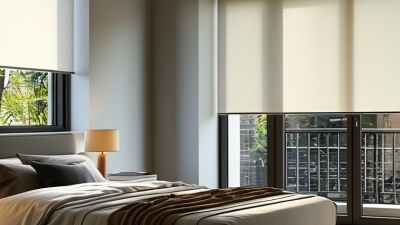
Choosing the best motorized roller shades is less about chasing the newest feature. It is about matching technology, fabric, and daily habits. A bright bedroom may need blackout material, while a south-facing office often benefits from solar openness. The wrong fabric can leave a beautiful room glaring by noon.
Window-treatment educator Deb Barrett offers a useful reminder: “The best window treatment solves a real problem beautifully.” That principle keeps the evaluation practical. Strong motorized roller shades should move quietly, respond consistently, and fit the window without visible strain. They should also offer dependable controls, clear installation guidance, and a sensible backup method when power or connectivity fails.
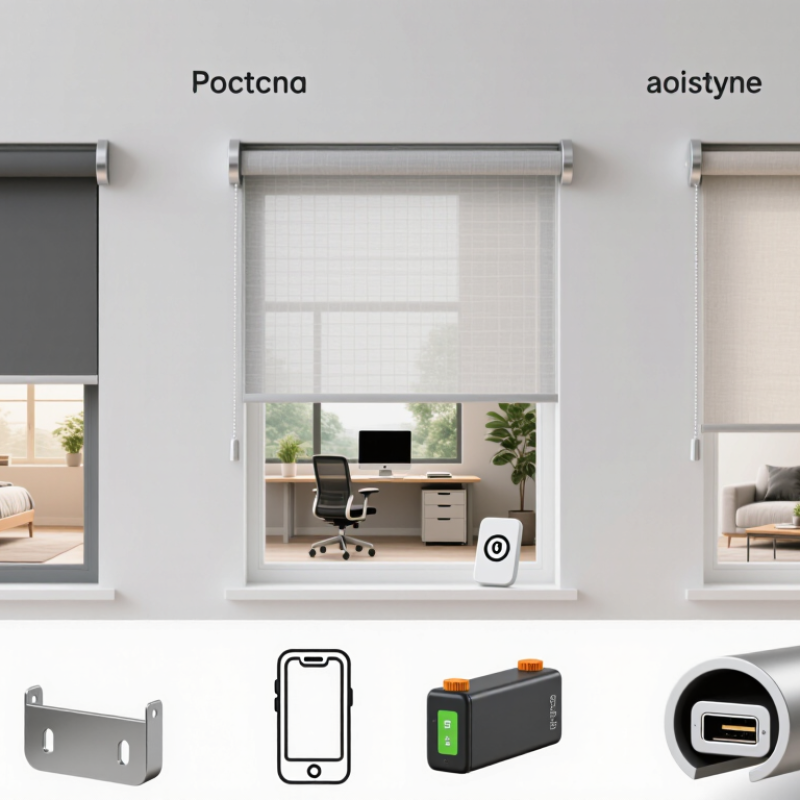
Small details matter. Watch how the shade stops at its programmed height. Check whether the remote feels intuitive in a dark room. Notice the tube, brackets, and charging port. These details become part of everyday life. They are easy to overlook in a showroom.
No ranking is perfect. A premium system may be excessive for one small window, while a cheaper model may frustrate someone automating an entire home. Battery life can vary with shade size, fabric weight, and daily use. Voice control may sound impressive, but simple wall control often feels faster.
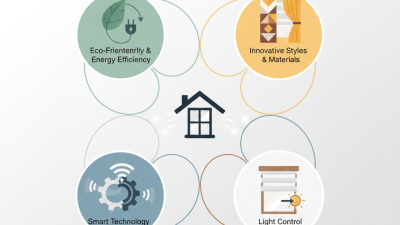
This guide compares leading motorized roller shades through performance, design, installation, control options, privacy, and long-term value. It also considers real rooms, not only product specifications. The top choice should make sunlight easier to manage without making the room feel overly technical. That balance is where smart shading proves its worth.
What Are Motorized Roller Shades and How Do They Work?
What Are the Top Motorized Roller Shades?
Motorized roller shades use a small electric motor to raise, lower, or stop fabric at chosen positions. The motor usually sits inside the shade’s tube, keeping the window covering neat and quiet. A remote control, wall switch, or mobile app sends movement instructions. Some systems also respond to scheduled times, sunlight levels, or room temperature.
Rechargeable batteries make installation easier because they avoid new wiring near the window. Hardwired models can suit large shades or frequently used rooms. During setup, the installer programs upper and lower limits. These limits prevent the fabric from rolling too far. A built-in sensor may also detect obstacles, but its performance depends on correct installation and maintenance.
In my experience, the best motorized roller shade is not always the fastest one. Smooth movement, dependable stopping, and simple controls matter more in daily use. A bedroom shade should operate quietly at dawn. A living-room shade may need stronger light control. Fabric openness, window size, battery access, and control compatibility should guide the choice.
Small details matter.
I once focused too much on appearance and underestimated charging access. That mistake made regular maintenance inconvenient. Motorized shades also need occasional cleaning, careful alignment, and software checks when connected systems are used. Professional measurement can reduce gaps and uneven rolling, though even a skilled installation may need minor adjustments after several weeks of use.
Which Types of Motorized Roller Shades Are Available?
What Are the Top Motorized Roller Shades?
Which Types of Motorized Roller Shades Are Available?
Motorized roller shades usually fall into four practical types: battery-powered, hardwired, solar-powered, and hybrid systems. Battery models suit existing rooms because installers avoid opening walls. They work well for bedrooms, rentals, and smaller windows. Hardwired shades provide steady power and suit large openings or frequent daily use. Installation costs more, though. Solar-powered shades use a small photovoltaic panel near the glass. They perform best beside bright windows, but shaded façades may reduce charging efficiency.
Fabric selection changes the shade’s performance. Light-filtering fabric softens glare while keeping a room bright. Blackout fabric blocks most daylight and supports better sleep in bedrooms. Dual roller shades combine both options on one window. One layer handles daytime glare. The other creates nighttime privacy. Smart versions connect through wireless controls, timers, sensors, or home automation systems. According to Grand View Research, the smart blinds market is forecast to grow at more than 10% annually through 2030, reflecting rising demand for automated light control.
Energy performance deserves careful judgment. The International Energy Agency reports that buildings consume about 30% of global energy. Automated shades can reduce unwanted solar heat when programmed correctly, but results depend on orientation, glazing, and climate. I would not promise identical savings in every home. A south-facing window behaves differently from a shaded northern window. Battery life also varies with shade size, fabric weight, and daily movement. Small details matter.
What Features Matter When Choosing Motorized Roller Shades?
What Are the Top Motorized Roller Shades?
When choosing motorized roller shades, start with control options. A dependable system should support a wall switch, remote, and mobile control. Voice control can help, but it should not be the only method. Check whether the shade works during an internet outage. Local control is often more reliable. Noise matters. A quiet motor feels better in bedrooms, nurseries, and home offices.
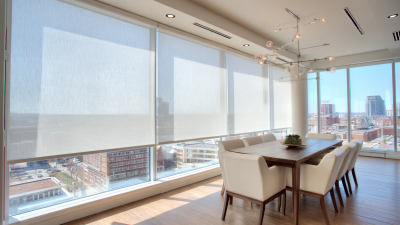
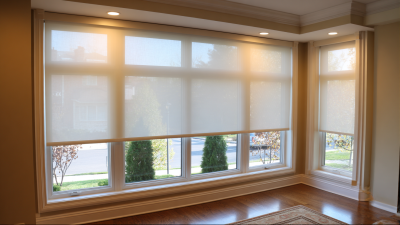
Fabric selection affects comfort as much as appearance. Light-filtering fabric softens strong afternoon sun without making a room gloomy. Room-darkening fabric suits bedrooms and media spaces. Solar fabric can reduce glare while preserving an outdoor view. Look closely at openness and color. Darker materials often reduce glare more effectively, although they may absorb more heat. Measure twice. A small width error can create bright side gaps.
Battery life, charging access, and installation also deserve careful attention. A rechargeable battery is convenient, but its location should remain easy to reach. Hardwired power may suit large windows or frequently used shades. Confirm the motor’s lifting capacity before ordering heavier fabric. Safety features should stop movement when resistance appears, especially around children and pets. In practical testing, many systems perform well, yet setup instructions can feel incomplete. I may be overly cautious, but clear calibration steps and responsive support build more trust than impressive app features. Check warranty terms, replacement parts, and compatibility with your existing home controls before installation.
How Do Leading Motorized Roller Shades Compare?
What Are the Top Motorized Roller Shades?
How Do Leading Motorized Roller Shades Compare?
Leading motorized roller shades differ most in control, noise, fabric, and installation. In practical use, a quiet motor matters in bedrooms, especially before sunrise. Battery-powered models suit renters and finished rooms because they avoid wall damage. Hardwired systems offer steady power, but installation may require an electrician. Solar charging can help near bright windows, although shaded façades may reduce its value.
Fabric changes the experience. Light-filtering material softens glare while keeping a room bright. Blackout fabric works better for nurseries, bedrooms, and home theaters. A five-percent openness screen fabric can preserve outdoor views, but it will not provide complete privacy after dark. I learned this detail the hard way. Evening lighting can turn windows into mirrors.
Control options also separate good shades from excellent ones. Some use a wall switch or handheld remote, while others support scheduling, voice commands, and room sensors. Check whether the system still works during an internet outage. It should. Motor speed, manual override, child-safe operation, and battery access deserve equal attention. A smooth installation depends on accurate window measurements, not attractive product photos. Compare warranty terms, replacement parts, fabric samples, and service support before choosing. The most expensive option is not automatically the most reliable, and smart features can become unnecessary clutter in a small room.