Why Choose Blackout Shades for Windows?

Why Choose Blackout Shades for Windows?

Indoor comfort is increasingly tied to energy performance, sleep quality, and practical daylight control. The International Energy Agency and United Nations Environment Programme reported that buildings consumed approximately 30% of global final energy in 2022. They also produced about 26% of global energy-related emissions. Windows influence both outcomes. They admit sunlight, glare, outdoor heat, and nighttime light. Blackout shades for windows offer a focused response by creating a darker, more insulated interior surface.

The U.S. Department of Energy explains that window attachments can reduce solar heat gain, especially during summer. Its Energy Saver guidance reports that certain exterior shading products can block up to 65% of heat gain on south-facing windows and 77% on west-facing windows. Interior blackout shades may not achieve those exact figures, because performance depends on fabric color, fit, window orientation, and installation quality. That detail matters.

A small gap can change comfort.

Professional selection should consider the shade’s openness, backing, side channels, and measured solar-optical properties. The Attachments Energy Rating Council evaluates window attachment products through standardized procedures, while the National Fenestration Rating Council provides recognized rating methods for fenestration performance. These resources support more reliable comparisons than appearance alone.

Blackout shades can darken a bedroom at noon, soften streetlights, and reduce screen glare. They are not a universal fix. Poorly fitted products may still leak light and heat. This guide examines their benefits, limitations, operating costs, and suitability for different rooms, climates, and daily routines.
Why Choose Blackout Shades for Windows?

What Are Blackout Shades and How Do They Work?

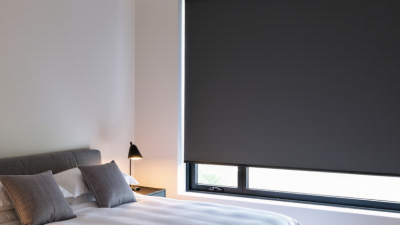
Blackout shades are window coverings designed to block most incoming light. Their fabric usually contains a dense, light-resistant layer between the outer surfaces. This construction limits sunlight from passing through the material. Some shades also use sealed edges or side channels. These additions reduce bright lines around the window.

The mechanism is simple. A roller, cellular, or Roman shade lowers across the glass. When fully closed, its backing absorbs or reflects light before it enters the room. Precise measurements matter because small side gaps can weaken the result. An inside-mounted shade may leave narrow spaces near the frame. An outside mount often provides wider coverage. Not complete darkness.

In bedrooms, blackout shades can support daytime sleep, especially for shift workers or children. They may also reduce glare on screens and help protect furniture from prolonged sunlight. However, blackout fabric does not automatically create strong insulation. Air leaks around the window can still affect room temperature. A well-fitted design performs better than a heavier shade installed carelessly. This is where many buyers misjudge the product. They focus on fabric thickness but overlook mounting depth and window alignment. Check the edges at noon. A darker room can improve comfort, but ventilation, safe operation, and proper installation still require attention.

Key Benefits of Using Blackout Shades for Windows

Why Choose Blackout Shades for Windows?

Key Benefits of Using Blackout Shades for Windows

Blackout shades do more than darken a bedroom. They control glare, protect privacy, and make bright rooms easier to use. The U.S. Department of Energy’s Energy Saver guidance reports that windows account for 25%–30% of residential heating and cooling energy use. A well-fitted shade can reduce solar heat and winter drafts, especially when closed at the right times. It is not a complete insulation system.

Sleep is another practical benefit. The American Academy of Sleep Medicine recommends that adults regularly obtain at least seven hours nightly. Darkness cannot guarantee better sleep, but it removes one common disturbance: early sunlight through glass. This matters for shift workers, children, and bedrooms facing streetlights. Blackout fabric also reduces screen and lamp glare, although side gaps can weaken the effect. Small gaps matter.

Energy performance depends on details. DOE guidance emphasizes glazing, orientation, climate, and installation, so dramatic savings claims deserve caution. Choose a shade that fits tightly and suits the window’s direction.

Measure daylight at 7 a.m. and 3 p.m.; note heat, glare, and sleep disruption. Then compare conditions after installation. My judgment remains modest: comfort improves most reliably, while energy savings vary. That limitation is useful.

How Blackout Shades Improve Sleep, Privacy, and Comfort

Why Choose Blackout Shades for Windows?

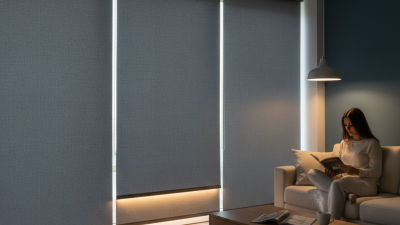
Blackout shades can change a bedroom before bedtime. They block most incoming light, including streetlamps, headlights, and bright morning sun. Darkness matters. A darker room may support the body’s natural sleep rhythm and reduce early-morning interruptions. This can help shift workers, children, and light-sensitive sleepers. However, blackout shades do not cure insomnia, and sleep quality also depends on noise, temperature, and daily habits.

Privacy improves when the fabric closes fully across the glass. Closed shades make indoor silhouettes harder to see, especially in ground-floor rooms. During the day, privacy depends on the shade’s position and the room’s lighting. A small side gap can still expose part of the room. That detail is easy to miss. Measuring the window carefully and choosing a close-fitting installation can reduce unwanted visibility.

Comfort is another practical benefit. Blackout fabric can limit solar heat on sunny afternoons and reduce the cold feeling near glass during winter. The result depends on the window, material, and installation quality. Try this simple check: compare the glass temperature before and after lowering the shade. It is not a perfect test, but it reveals noticeable changes. Blackout shades also cannot block all outside noise. Sometimes, the room feels better, but not completely quiet.

Types of Blackout Shades and Their Suitable Applications

Why Choose Blackout Shades for Windows?

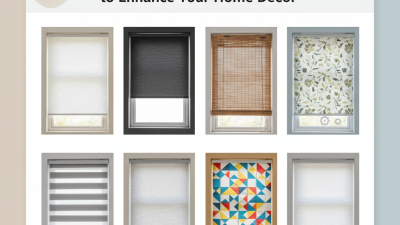
Blackout shades are not one universal product. Their construction determines where they work best.

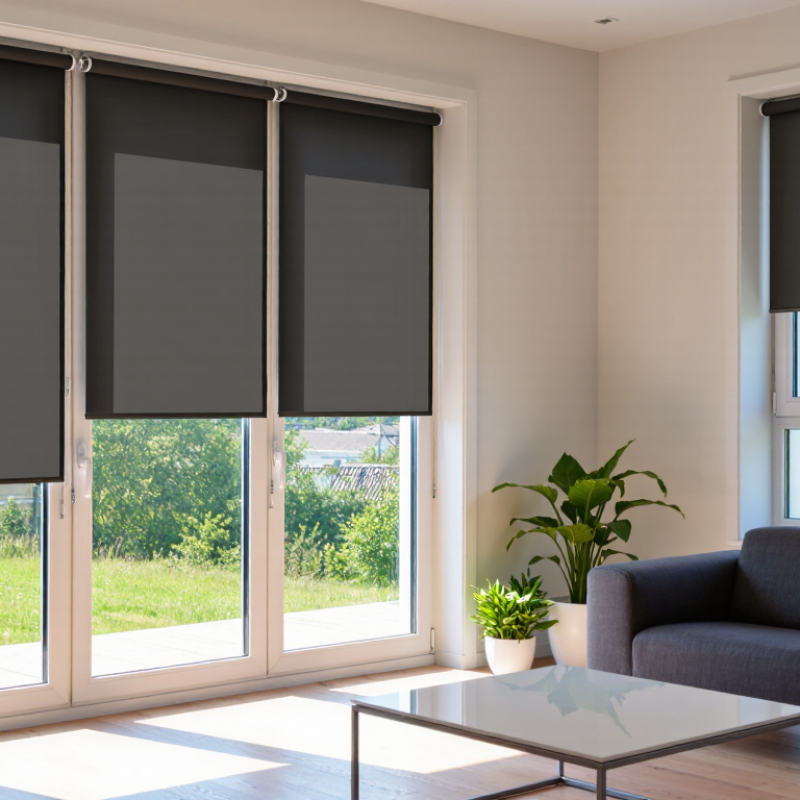
Roller blackout shades use a coated fabric layer to block nearly all visible light. They suit bedrooms, nurseries, and home theaters with flat, modern windows.

Cellular blackout shades add honeycomb air pockets. According to U.S. Department of Energy guidance, tightly fitted cellular shades may reduce window heat loss by 20–30%. They are useful in bedrooms facing cold exterior walls, although installation quality matters greatly.

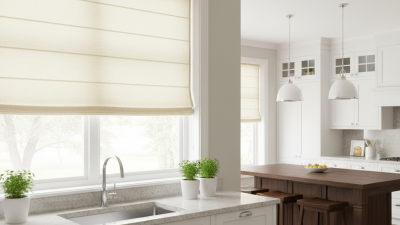
Roman blackout shades provide a softer, decorative appearance. Their folded fabric works well in living rooms, guest rooms, and boutique-style interiors. However, larger folds can allow small light gaps at the edges. Side-channel or cassette systems control this problem better.

Motorized shades support hard-to-reach windows and consistent sleep schedules. The National Fenestration Rating Council recommends comparing U-factor and solar heat gain performance, not darkness alone. A darker room may still feel hot beside unprotected glass.

Tips:

  • Measure inside and outside mounts separately.
  • Check morning light before choosing fabric.
  • For children’s rooms, select cordless designs.
  • Test one window first.
  • No shade fits every room perfectly.
  • Some rooms need layered treatments.
  • This costs more, but comfort often improves.
  • My practical mistake was judging samples under showroom lighting; daylight exposed the real gaps.

(Sources: U.S. Department of Energy; National Fenestration Rating Council)

Factors to Consider When Choosing Blackout Shades

Choosing blackout shades starts with the room, not the fabric sample. Measure the window recess, glass area, and light gaps around the frame. The U.S. Department of Energy reports that windows can account for about 30% of a home’s heating energy loss. It also notes that clear double-pane windows can admit roughly 76% of incoming sunlight as heat. Blackout shades may reduce glare and solar heat, but they are not energy-proof. Their performance depends on fit, fabric color, and installation quality.

Check the shade’s openness factor, lining, and side coverage. A tightly woven fabric blocks more light, while a small gap can create a bright outline at dawn. For bedrooms, consider quiet operation and secure cordless controls. For living rooms, compare visible light control with daytime privacy. Ask for tested U-factor and solar heat gain information where available; the National Fenestration Rating Council explains how these ratings support fair product comparisons. A darker fabric may absorb more heat, which is not ideal beside hot west-facing glass. A lighter backing can help, but only when the shade closes tightly. Small details matter.

The cheapest option may disappoint. A practical test is simple: inspect the room at midday, then check the edges after sunset. No shade performs perfectly. That is worth remembering.

Why Choose Blackout Shades for Windows?

Blackout shades are designed to minimize visible light transmission, making them suitable for bedrooms, nurseries, home theaters, and rooms exposed to strong sunlight. The chart compares representative maximum light-transmission levels for common shade types.

Lower light transmission generally provides better darkness and glare control. Actual performance depends on fabric construction, side gaps, window size, color, and installation quality. Blackout shades typically transmit about 1% or less of visible light, while other shade types allow progressively more light through.

Call Now