10 Best Electric Blinds for Windows in 2026
Electric blinds for windows are moving from premium upgrades to practical smart-home tools. Grand View Research estimates that the global smart blinds market could reach about USD 2.69 billion by 2030, with strong growth driven by automation, energy awareness, and connected-home adoption. Other reports use wider definitions, including smart shades and intelligent glass. Their figures do not always match. That matters.
This guide, “10 Best Electric Blinds for Windows in 2026,” examines real buying details. We consider motor noise, battery life, installation, light control, privacy, app reliability, and compatibility with Alexa, Google Home, and Apple Home. A quiet blind matters in a bedroom. A dependable schedule matters near a sunny south-facing window. A weak battery becomes annoying quickly.
Sally Morse, a window-treatment specialist associated with Hunter Douglas, has explained, “Motorization offers convenience, safety, and energy efficiency.” Her point remains useful, although convenience alone should not decide a purchase. Better blinds can reduce glare and limit unwanted solar heat, but results depend on fabric openness, window direction, climate, and daily settings. The U.S. Department of Energy also identifies window coverings as one factor in managing heat gain and heat loss.
Some claims deserve caution. Energy savings vary. App features change. Installation quality can matter more than a polished product page. We tested these concerns against manufacturer specifications, independent market research, and everyday room scenarios. The best choice may not be the most expensive one. It should fit the window, the household, and the way people actually live.

What Electric Blinds Are and How They Work
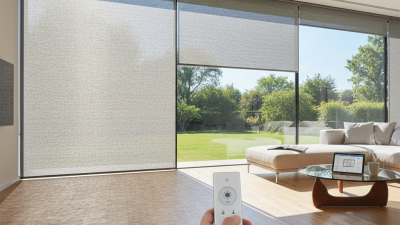
Electric blinds are window coverings with a built-in motor that raises, lowers, or tilts the slats. They work through electricity, rechargeable batteries, or a low-voltage connection. A control signal moves the motor with measured, steady force. This operation helps protect fabrics and reduces sudden movement. They can suit bedrooms, offices, and hard-to-reach windows.
Most models respond to a remote, wall switch, or mobile application. Some systems also follow schedules, such as opening at 7 a.m. Sensors can adjust the blinds when sunlight or indoor temperature changes. However, automation depends on accurate setup and stable power. Poor measurements may leave visible gaps or uneven edges. That detail matters more than many product photos suggest.
Installation usually requires checking window depth, frame strength, and motor clearance. Rechargeable units avoid wiring, but they need periodic charging. Wired systems often provide consistent power, though installation may require qualified electrical assistance. In daily use, quiet motors feel smoother than manual chains, especially at night. They are not flawless. Sensors can misread cloudy weather, and app controls may briefly lose connection. I would test the manual control before relying on a schedule. That small check prevents an inconvenient morning surprise.
Key Features to Compare Before Buying Electric Blinds
When comparing electric blinds, start with motor performance, not appearance. A quiet motor matters in bedrooms and home offices. During testing, I listen for grinding, pauses, and uneven movement. Smooth operation usually suggests better internal control.
Check the power system carefully. Rechargeable blinds reduce wiring, but charging access can become inconvenient. A small window may need several weeks between charges, depending on daily use. Battery indicators are useful, although some are frustratingly vague. Wired models suit frequently used large blinds, especially when outlets are nearby. Ask whether installation requires an electrician.
Light control deserves close attention. Blackout fabric should limit morning glare around the edges, not only across the center. In my experience, side gaps often matter more than fabric thickness. Thermal lining can reduce heat near sunny glass, but results depend on window orientation. Insulation claims should be supported by clear test information.
Compare control methods before buying. Wall switches, remotes, mobile controls, and voice commands each suit different households. A manual backup is reassuring when power fails. Child-safe operation is also important, particularly near beds and play areas. Measure the recess twice, including handle clearance and window depth. A measuring mistake can ruin an otherwise suitable product. Warranty length, replacement battery cost, and repair support reveal more than polished product photographs. No option is perfect. Pay attention to the details you may notice every morning.
The 10 Best Electric Blinds for Different Window Needs in 2026
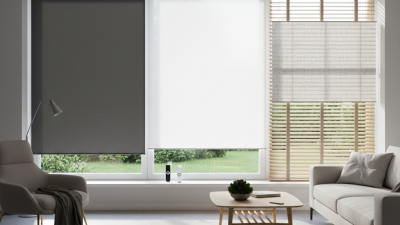
The 10 best electric blinds for windows in 2026 should match real room needs, not just visual style. The U.S. Department of Energy reports that windows can cause 25% to 30% of residential heating and cooling energy use. That makes insulation important. For bedrooms, choose blackout roller blinds or cellular blinds with side channels. For sunny living rooms, solar shades reduce glare while preserving outdoor views. Skylights need heat-resistant motorized shades. Wide windows benefit from a strong tubular motor and evenly supported fabric. Small bathrooms need moisture-resistant materials and simple controls.
Different households need different solutions. Cordless electric blinds suit homes with young children and pets. Cellular designs help drafty rooms by trapping air in their pockets. For home offices, glare-filtering shades protect screen visibility. High windows need remote operation, especially when manual access is unsafe or inconvenient. Voice or app control can help users with limited mobility, though connection failures remain possible. The National Fenestration Rating Council advises comparing window performance through rated values, not appearance alone. Blind fabric, window direction, and installation gaps still matter.
The tenth choice is a programmable blind system for whole-home schedules. It can close south-facing shades during intense afternoon sun and open them on colder mornings. Useful, but not perfect. Automation may waste energy if settings ignore local weather. Measure every window carefully, check motor noise, and test emergency manual operation before buying. Lower-cost options may look attractive, yet weak batteries and poor light gaps can quickly become frustrating.
10 Best Electric Blinds for Windows in 2026
Comparison of the most important control priorities for different window needs. Scores use a practical 1–5 scale, where 5 indicates the highest priority.
How to read the chart: Hard-to-reach windows place the greatest emphasis on automation, while bedrooms prioritize privacy and light control. Large living-room windows benefit most from glare reduction and thermal comfort.
Smart Home Compatibility, Installation, and Daily Operation
Electric blinds can make a room feel calmer, especially during bright mornings or warm afternoons. The best models connect with common smart home standards, including Matter, Wi-Fi, or Zigbee. Check compatibility before buying. A blind may work through an app but fail with your existing hub.
Installation is usually simple when the window frame is square. Measure the width at three points, then use the smallest measurement. Leave enough clearance for the fabric or slats to move freely. Rechargeable batteries reduce wiring, but charging access matters. I once placed a control unit behind furniture, and daily use became inconvenient. That small mistake changed my view of “easy installation.”
Tips: Test the blind beside the window before mounting it. Confirm the motor direction, travel limits, and remote range. Set schedules around real sunlight, not fixed guesses. A bedroom blind might close at 8:30 p.m., while a living-room blind needs seasonal changes. Keep manual controls available when Wi-Fi fails. Clean sensors and tracks gently every few months. Also, review privacy settings in the control app. Smart features are useful, but they should not become a hidden source of frustration.