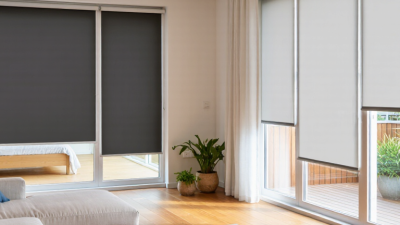
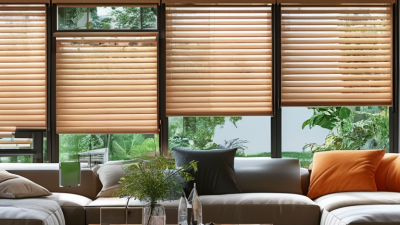
How to Choose the Best Motorized Blinds for Your Home?

Choosing the best motorized blinds begins with understanding how your rooms work each day. A bright bedroom may need blackout fabric, while a home office benefits from softer light control. Observe where sunlight falls during morning and afternoon. Notice glare on screens, heat near windows, and privacy concerns after dark. These details matter more than fashionable colors.

Reliable motorized blinds should match your window size, operating habits, and existing home systems. Measure the recess carefully, including its depth and frame shape. Decide whether you prefer a rechargeable battery, low-voltage connection, or solar-assisted motor. Each option has practical trade-offs. Battery models simplify installation, but they require occasional charging. Wired systems can feel more dependable, although installation may be less convenient. Check noise levels, remote controls, app compatibility, and manual override features before choosing.

Safety deserves equal attention. Look for secure components and designs suitable for homes with children or pets. Ask about warranty coverage, motor testing, fabric durability, and replacement support. A reputable supplier should explain these points clearly, not rush you toward the most expensive model. The “best” option is not always the smartest one. I have found that small oversights, such as ignoring a deep window handle, can affect daily comfort. Even lighting results may look different from showroom samples. Request fabric swatches and test the controls in your actual space. Good decisions come from measured details, honest comparisons, and realistic expectations.

How to Choose the Best Motorized Blinds for Your Home?

What Are Motorized Blinds and How Do They Work?

Motorized blinds are window coverings powered by a small electric motor. The motor rotates a roller tube or moves slats through a concealed drive system. Users can operate them with a remote, wall switch, mobile app, or voice command. Some systems connect to a central home-automation hub.

They can also follow schedules and sensor readings. For example, blinds may close during intense afternoon sunlight and open at sunrise. Light, temperature, and occupancy sensors provide this automation. The U.S. Department of Energy reports that windows can account for 25–30% of residential heating and cooling energy use. Properly timed blinds may reduce unwanted heat gain, although results depend on glass type, orientation, climate, and installation quality.

Control is only part of the decision. Check motor noise, battery access, manual override, fitting accuracy, and compatibility with your existing controls. The International Energy Agency’s Energy Efficiency 2023 report identifies buildings as responsible for about 30% of global final energy consumption. That makes small efficiency improvements worth examining. Still, automation does not guarantee savings. A schedule can waste energy if it closes blinds on a cool winter morning. A practical test is to watch sunlight across the room for several days before programming scenes. Measure twice. Buy once. Some advertised features may remain unused, which is an easy mistake to overlook.

How to Choose the Best Motorized Blinds for Your Home?

Motorized blinds use a small electric motor to raise, lower, tilt, or adjust the fabric. They can be operated with a wall switch, remote control, mobile app, or scheduled automation. The chart below compares common control methods by their typical capabilities.

For bedrooms and living rooms, remote control is convenient for everyday use. App-based systems are more suitable when you want scheduling or control while away from home, while automation can adjust blinds according to time, sunlight, or connected sensors.

Which Window Types and Room Needs Should You Consider?

Choosing motorized blinds begins with the window, not the control app. Large sliding doors need wide, stable panels that move without sagging. Bay windows may require separate blinds for each angled section. Awkward corners can make inside mounting difficult. For roof windows or skylights, choose hardware designed for sloped frames. Measure every section carefully. Older homes are rarely perfectly square. Small errors matter.

Room purpose also changes the right choice. Bedrooms benefit from blackout fabric, quiet motors, and scheduled closing times. Light sleepers notice even a soft mechanical hum. In nurseries, cordless operation and secure controls deserve serious attention. Kitchens and bathrooms need moisture-resistant materials that will not warp easily. Home offices often need glare reduction without making the room gloomy. A screen-friendly fabric can help, but it may still leave afternoon reflections. Test samples near the actual window.

Power and maintenance deserve equal consideration. Rechargeable batteries simplify installation, while wired power suits frequently used blinds and difficult-to-reach windows. Battery life depends on blind size, fabric weight, and daily use. I once underestimated how often large blinds would operate in a bright living room. That mistake made maintenance inconvenient. Check for manual operation during power failures, clear installation instructions, and dependable local controls. Independent reviews and published technical specifications can reveal weaknesses that attractive photographs hide.

How to Compare Motorized Blind Materials, Styles, and Light Control

How to Choose the Best Motorized Blinds for Your Home?

Material affects durability, appearance, and light control. Fabric roller blinds create a soft look and fit modern rooms. Choose a sunscreen weave for filtered daylight without losing the outdoor view. For bedrooms, use a blackout fabric with sealed side channels. Small light gaps can still disturb sleep.

Aluminum blinds offer precise control through adjustable slats. They suit kitchens because they resist moisture and clean easily. Faux wood provides a warmer appearance, but thicker slats may stack heavily above the window. Cellular shades trap air and improve insulation. However, their honeycomb structure can limit outside views.

Style should match the window and your daily habits. Wide roller blinds look calm across large glass panels. Roman shades add texture, though their folds may gather dust. I once focused too much on color and ignored the control system’s noise. That was a poor comparison. Test the motor at night. Check whether the remote works from different rooms. Also measure the window frame twice, especially for inside mounting. Light control changes with room direction, glass type, and blind position. South-facing rooms may need layered blinds, while north-facing rooms often benefit from light-filtering fabric. Sample materials beside the actual window. Samples under showroom lighting can mislead you.

Which Power, Smart-Home, and Control Options Fit Your Home?

Choosing motorized blinds starts with power, not fabric. For small windows, rechargeable battery systems are practical and avoid wall damage. Larger blinds may need wired power, especially with heavier blackout materials. The U.S. Department of Energy reports that heating and cooling represent about 48% of household energy use. Therefore, blinds should respond to indoor temperature and sunlight, not operate only on a fixed timer. In a sunny room, closing south-facing blinds before afternoon heat feels simple, but timing errors can reduce comfort.

Smart-home compatibility matters just as much. Look for support for common wireless standards, local control, and manual operation during internet outages. The International Energy Agency states that buildings produce about 30% of global final energy consumption. Automated shading cannot solve that problem alone, but it can help coordinate daylight, cooling, and privacy. Voice control is convenient near a sofa; wall switches remain better beside a bedroom door. Small detail, big difference.

Control options should match your household habits. Light sensors can adjust blinds gradually, while temperature sensors support seasonal schedules. A multi-room system may need room-by-room settings rather than one dramatic “close everything” command. Industry research from Parks Associates continues to show growing smart-home adoption, yet many households still prefer simple controls. That contradiction matters. More automation is not always better. Test battery access, noise levels, response speed, and emergency manual use before installation. A beautiful system that requires frequent charging may become frustrating within weeks.

How to Choose the Best Motorized Blinds for Your Home?

Which Power, Smart-Home, and Control Options Fit Your Home?

Decision Area Option How It Works Best For Advantages Limitations Practical Recommendation
Power Source Rechargeable Battery A built-in battery powers the motor and is recharged through a cable or removable charging unit. Existing homes, rental properties, and windows where adding wiring is difficult. Minimal wall damage, flexible installation, and a clean appearance. Requires periodic charging; battery life varies with blind size, fabric weight, sunlight, and daily cycles. Choose a model with a low-battery indicator and accessible charging connection.
Mains-Wired Power The motor connects to the building’s electrical supply through concealed or surface-mounted wiring. New construction, major renovations, and large or frequently used blinds. No regular charging and consistent power for heavier window coverings. More complex installation and possible electrical work; professional installation may be required. Plan wiring before walls and window finishes are completed.
Solar-Assisted Battery A small photovoltaic panel helps maintain the motor battery using available daylight. Sun-facing windows where a panel can receive sufficient daylight. Rooms with regular daylight and a preference for reduced manual charging. Can extend the interval between manual recharges. Performance depends on daylight, panel placement, window orientation, and shading. Confirm that the panel will not be blocked by deep reveals, curtains, or exterior overhangs.
Low-Voltage Wired Power A low-voltage power supply feeds one motor or a group of motors through dedicated cabling. Whole-home installations and centralized shading systems. Projects needing coordinated operation across many windows. Centralized power management and reliable repeated operation. Usually requires advance planning, compatible equipment, and professional installation. Use when the project already includes structured wiring or a central control cabinet.
Smart-Home Connectivity Remote Control Only The blinds respond to a dedicated handheld remote using short-range wireless communication. Users who want simple operation without an internet connection or smart-home hub. Simple setup, local operation, and limited privacy concerns. No app-based scheduling, voice control, or whole-home automation. A good choice for one room or for households that prefer straightforward controls.
App-Connected Wi-Fi The blinds connect directly to a wireless home network and are managed through a mobile application. Homes wanting remote access, schedules, and basic automation without a separate hub. Remote operation and easy app-based scheduling. Simple internet setup and convenient control from outside the home. Depends on wireless coverage and internet service; network changes may require reconnection. Check wireless signal strength near every window before installation.
Hub-Based Wireless The blinds communicate with a local hub, which coordinates devices and may connect to the internet. Multi-room homes with several smart devices and more advanced automation needs. Reliable group control, scenes, schedules, and integration with compatible systems. Can reduce direct network congestion and support local automation. Adds equipment, setup steps, and compatibility considerations. Verify that the motor, hub, and preferred smart-home platform use compatible protocols.
Standard-Based Smart Control The product uses an open or widely supported communication standard for interoperability. Households that want flexibility when adding devices from different manufacturers. Long-term flexibility and broader smart-home compatibility. May reduce dependence on one control platform. Features can vary by software version, hub, region, and supported device functions. Confirm support for open standards such as Matter, Thread, Zigbee, or Z-Wave where relevant.
Control Method Wall Switch A fixed control operates the blinds from a convenient location near the window or room entrance. Families, shared spaces, and users who prefer a permanent control point. Easy to find and less likely to be misplaced than a handheld remote. May require wiring or a compatible wireless switch; location is fixed. Install near the main entry point or beside the existing lighting controls.
Handheld Remote A portable remote sends commands to one blind or a programmed group of blinds. Bedrooms, living rooms, and installations without wall wiring. Fast local control with little installation work. Can be misplaced and may require replacement batteries. Keep a designated storage location and check the remote’s range.
Mobile Application Users adjust individual blinds or groups through a smartphone or tablet application. Users who want schedules, remote access, and status information. Convenient scenes, timers, and multi-room control. Requires a compatible phone, app account, and suitable connectivity. Enable manual controls as a backup for guests and network interruptions.
Voice Control Compatible voice assistants send commands through a connected smart-home system. Accessibility needs, hands-free operation, and integrated smart homes. Useful when carrying items or when physical controls are difficult to reach. Usually requires compatible software, an account, and an internet-connected assistant. Use clear room and blind names to prevent unintended operation.
Automatic Sensors and Schedules Timers, sunlight sensors, temperature data, or occupancy routines trigger blind movements automatically. Energy-conscious households and rooms with strong solar heat or glare. Consistent privacy, glare reduction, and daylight management. Settings require adjustment for seasons, room use, and changing daylight conditions. Include an override control so occupants can temporarily change automatic settings.
Selection Check Blind Size and Weight Motor capacity must match the blind’s width, height, fabric weight, and operating mechanism. All installations, especially wide shades, blackout fabrics, and layered treatments. Correct sizing improves movement, noise performance, and service life. A motor that is too small may move slowly, stop early, or experience excessive wear. Provide accurate window and fabric specifications before selecting the motor.
Noise Level Motor sound varies with motor design, mounting, blind type, speed, and surrounding materials. Bedrooms, nurseries, home offices, and media rooms. Quieter operation is more comfortable in low-noise spaces. Published noise ratings may be measured under different conditions and are not always directly comparable. Request an operating demonstration or a verified sound specification when low noise is important.
Manual Override A physical button, pull action, remote, or local control allows operation if the app or network is unavailable. Homes prioritizing resilience, accessibility, and guest-friendly operation. Maintains basic usability during connectivity or power interruptions. Not every model supports the same type of manual override. Confirm how the blind behaves during a power failure before purchase.
Safety and Privacy Motorized operation can remove dangling cords and support scheduled privacy settings. Homes with children, pets, hard-to-reach windows, or street-facing rooms. Cord-free designs can reduce accessible cord hazards and improve privacy control. Automation must be configured carefully around pets, open windows, furniture, and emergency exits. Choose certified products, follow installation instructions, and keep safety releases and access paths unobstructed.

Quick Selection Guide: Choose rechargeable battery power for retrofit projects, mains-wired or low-voltage power for new construction and large installations, and solar-assisted power where adequate daylight is available. Select remote-only control for simple local operation, app or hub-based control for scheduling and multi-room automation, and standard-based connectivity when long-term interoperability is important.

How to Evaluate Safety, Installation, Maintenance, and Cost?

Choosing motorized blinds starts with safety, not appearance. Cordless designs reduce strangulation risks, especially in rooms used by children or pets. Look for protected wiring, secure mounting brackets, and a reliable stop function. The blind should pause when it meets an obstacle. Test this feature before accepting the installation.

Measure each window at three points, because older frames are rarely perfectly square. Leave enough clearance for handles, locks, and inward-opening windows. A qualified installer can check wall strength and electrical access.

Battery-powered blinds simplify installation, but batteries may become inconvenient on tall windows. I once underestimated that detail. Reaching a high bedroom window with a small ladder was frustrating and unsafe.

Maintenance should be practical. Dust the fabric with a soft brush and inspect the motor, brackets, and power connections every few months. Never spray cleaner directly onto electronic parts. Ask how replacement batteries, remotes, and components are obtained before purchasing. A written warranty and clear service terms add useful protection. Keep the instructions nearby.

Cost includes more than the blind itself. Compare installation, wiring, batteries, smart controls, repairs, and future fabric replacement. A cheaper system can become expensive if its parts are difficult to source. Request an itemized quotation with measurements and labor shown separately. Also check energy performance. Better light control may reduce heat gain, but results depend on window direction, glass type, and daily use. The most expensive option is not automatically the safest or easiest to maintain.

Call Now