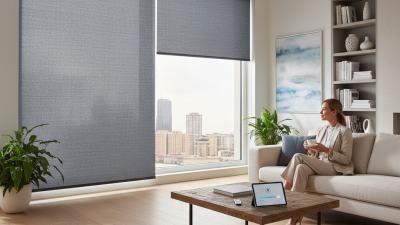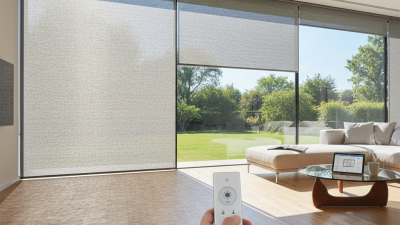
10 Tips for Choosing the Best Automatic Blinds?

Choosing the best automatic blinds involves more than matching fabric to wall color. The right system should manage sunlight, privacy, comfort, and daily routines without creating new frustrations. A bright bedroom may need blackout fabric, while a south-facing living room benefits from solar filtering and glare control. Measure carefully. A small error near the window frame can cause uneven movement, light gaps, or difficult installation.

Lutron founder Joel Spira once observed, “The best technology is the technology you don’t notice.” That idea remains valuable when comparing automatic blinds. Reliable motors should move smoothly, respond quickly, and operate quietly during early mornings. Controls should also feel simple. A wall switch, remote, or mobile app may sound convenient, but complicated setup can discourage everyday use. Test the controls before buying whenever possible.

This guide examines ten practical factors, including motor quality, battery life, fabric performance, smart-home compatibility, and installation support. It also considers room temperature, children’s safety, maintenance, and long-term reliability. Look beyond attractive product images. Ask how the blinds behave after hundreds of cycles, whether replacement parts are available, and what happens during a power or Wi-Fi failure.

Some choices are less obvious. The cheapest option may cost more after repeated battery changes or unreliable repairs. Still, premium products are not automatically better. That assumption needs questioning. A carefully selected mid-range system may suit a quiet study better than an expensive, heavily connected model. These tips are designed to help homeowners compare real performance with marketing promises and choose automatic blinds that remain useful after the novelty fades.
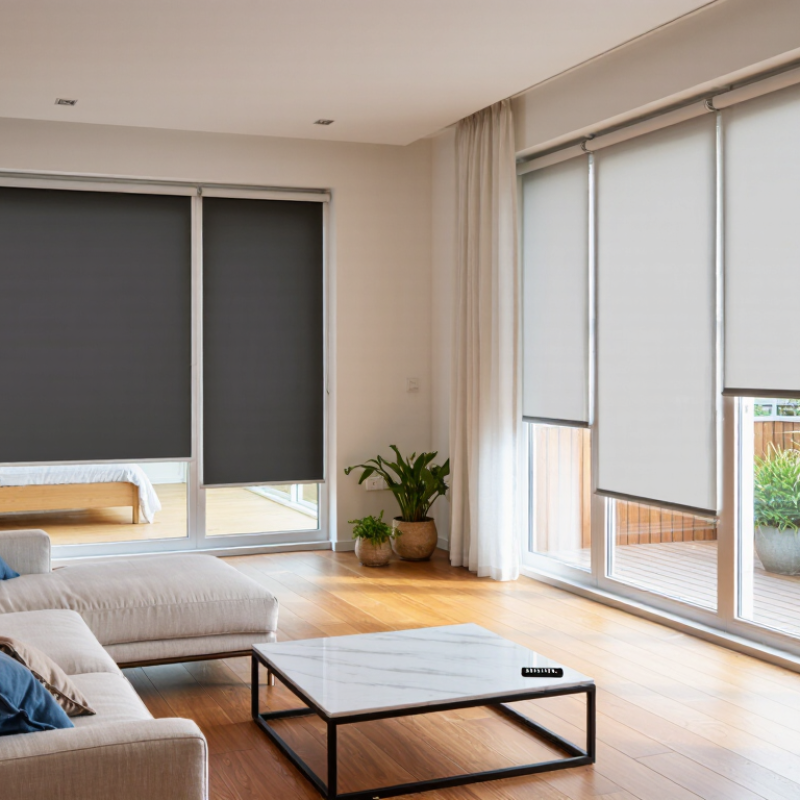
10 Tips for Choosing the Best Automatic Blinds?

Define Your Room’s Needs and Automation Goals

Before choosing automatic blinds, define what the room must do. A bedroom may need blackout fabric, quiet movement, and scheduled closing before sunrise. A home office usually needs glare control without making the space feel dark. In a south-facing room, afternoon heat can matter more than privacy. Walk through the room at different times. Note screen reflections, street visibility, drafts, and nearby furniture. Measure each window, including recess depth and handle clearance. Small details matter. I once focused on motor speed and overlooked a narrow sill. The blind worked, but the control button was awkward to reach.

Set one clear automation goal for each room. You might want timed privacy, daylight adjustment, or reduced heat gain. Then decide how much control you actually want. A wall switch is simple; an app adds flexibility but may depend on a phone or internet connection. Voice control can help people with limited mobility, yet manual access should remain available. Check noise levels, battery access, child-safe operation, and compatibility with existing wiring. Reliable systems should respond consistently after power interruptions. Ask installers how they handle unusual window shapes and future repairs. Request written specifications, warranty terms, and maintenance requirements. Do not assume the smartest option is the best fit. Sometimes a basic schedule solves the real problem better.

Compare Blind Types, Materials, and Light-Control Features

10 Tips for Choosing the Best Automatic Blinds

Choosing automatic blinds begins with comparing blind types, not just remote controls. Roller blinds offer a clean appearance and strong light blocking. Cellular shades improve insulation, while Venetian blinds provide adjustable direction and privacy. Test each style beside a window before deciding. Small differences matter.

Tip 1 Match the blind to the room’s light pattern. A bedroom may need blackout fabric, while a kitchen benefits from filtered daylight.

Tip 2 Compare materials carefully. Polyester is practical and easy to clean, bamboo adds texture, and aluminum handles moisture well. However, darker fabrics can absorb heat, which I have found easy to overlook.

Tip 3 Check the control options. App control is convenient, but a wall switch remains useful when a phone is unavailable.

Tip 4 Look for scheduling, sunrise adjustment, and gradual opening features. These settings can reduce glare on a television or protect furniture from direct sunlight.

Tip 5 Ask about manual operation during power interruptions. It is a small detail, but it affects daily reliability.

Measure the window frame twice. Automatic blinds need accurate dimensions for smooth movement and balanced light control. Consider motor noise, battery access, and installation clearance as well.

Tip 6 Compare opacity levels in person, because online images can mislead.

Tip 7 Choose moisture-resistant materials for bathrooms. I would not rely on attractive fabric alone; humidity can expose weaknesses quickly.

Safety features, secure wiring, and certified installation also deserve careful attention.

Check Smart Home Compatibility and Control Options

10 Tips for Choosing the Best Automatic Blinds

Check Smart Home Compatibility and Control Options

Tip 1: Confirm compatibility before measuring your windows. Automatic blinds may use Wi-Fi, Bluetooth, or a dedicated hub. Your existing system must support the required connection.

Tip 2: Test the control options carefully. A reliable setup should offer an app, wall switch, remote, and manual adjustment. Voice control is useful, but it should not be your only choice.

Tip 3: Ask whether the blinds support schedules, sunlight sensors, and room-by-room control. These features can lower glare during afternoon work and protect wooden floors from harsh sunlight. I have found that simple schedules often work better than complicated routines.

Check the installation requirements. Some systems need a nearby power outlet, while others use rechargeable batteries. Measure the window frame, note the charging position, and check signal strength behind thick walls. A beautiful blind becomes frustrating when its battery is difficult to reach.

Tip 4: Review privacy and security settings. Use strong passwords, update the control software, and limit access to trusted household members. The blinds should still operate during an internet outage, if possible.

Tip 5: Compare response speed and noise levels. In a bedroom, a slow motor may be acceptable, but loud movement can disturb sleep. Ask for real operating demonstrations rather than trusting product descriptions alone.

Keep the controls simple. Very clever systems can become confusing. Also, check warranty terms, replacement parts, and local installation support before buying. These practical details are easy to overlook.

Evaluate Power Sources, Installation, and Maintenance

Choosing automatic blinds starts with the power source, not the fabric color. Rechargeable batteries suit rented homes and hard-to-wire rooms. Mains power is steadier for large blinds, but installation may require an electrician. Solar charging can reduce battery changes near bright windows, though shaded rooms may disappoint. The U.S. Department of Energy reports that windows can cause 25–30% of residential heating and cooling energy use. Power reliability matters.

Check the installation surface carefully. A narrow recess, uneven frame, or deep curtain box can obstruct movement. Measure width at three points, not once. Leave clearance around handles and ventilation systems. For larger windows, verify motor capacity and fixing strength before ordering. The National Fenestration Rating Council recommends comparing window-performance ratings, including solar heat gain and visible transmittance. Those ratings help, but they do not replace a room-specific assessment.

Maintenance is easy to underestimate. Keep the lower rail level. Remove dust from tracks with a soft brush. Inspect cords, brackets, and battery contacts twice a year. Small faults become expensive. The International Energy Agency states that buildings represented about 30% of global final energy consumption in 2022. Automated shading can support energy management, but it cannot correct poor sealing or weak insulation. My checklist is not perfect: battery life changes with blind size, temperature, and daily cycles. Test the system during bright afternoon sun, not only during installation.

Balance Safety Features, Privacy, Quality, and Total Cost

Choosing automatic blinds means balancing more than app control. In real homes, safety, privacy, quality, and total cost compete. I inspect window height, cord exposure, motor noise, and sunlight before comparing features. Tip one: choose cordless operation, especially around children and pets. Tip two: check obstacle detection and manual override. Tip three: match privacy levels to each room; a bedroom needs different fabric than a bright kitchen. Tip four: test visibility at night, not only in a showroom.

Tip five: examine fabric density, stitching, and edge alignment. Small defects become obvious across a wide window. Tip six: ask about motor endurance and battery replacement. Rechargeable systems look cheaper until access becomes awkward. Tip seven: compare installation, delivery, charging, and repair costs, not just the listed price. A low quote can age badly. Tip eight: confirm compatibility with your existing controls and smart-home setup. Local control may be more reliable when the internet fails.

Tip nine: read warranty terms carefully, including labor and battery coverage. Keep the paperwork. Tip ten: request measurements and a written total before ordering. I once underestimated a deep frame, and the blind opened unevenly. That mistake was avoidable. Also consider cleaning access, morning glare, and whether guests can operate the blind easily. Quality is not merely smooth movement; it is quiet performance after repeated daily use. Privacy is not absolute, either. Fabric, window angle, and indoor lighting change what outsiders may see. Choose a solution you can maintain, understand, and afford over time.

Call Now