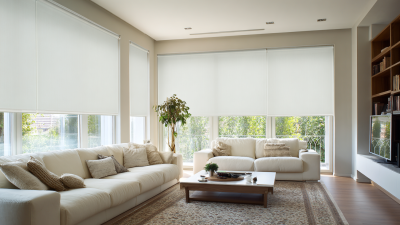
How to Choose the Best Kitchen Blinds?

Choosing kitchen blinds is about more than matching a colour to your cabinets. Steam, cooking splashes, bright afternoon light, and frequent cleaning all affect how a blind performs. A fabric that looks calm in a showroom may feel impractical beside a busy hob. Small details matter.

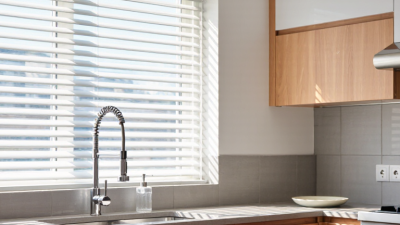
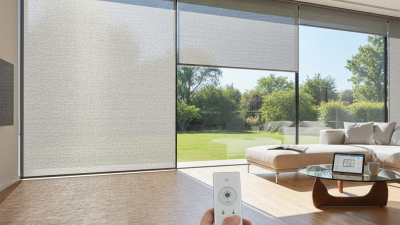
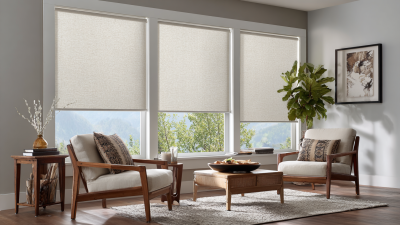
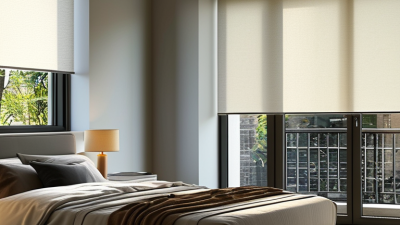
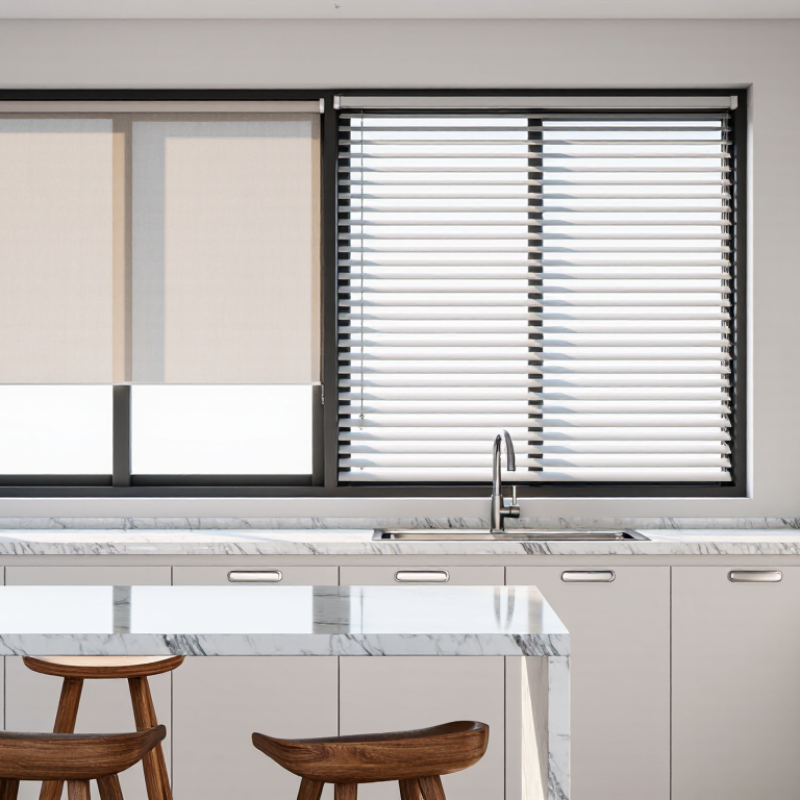
For this guide, fictional kitchen-design expert Morgan Lee offers a clear rule of thumb: “Choose kitchen blinds for the room you use, not just the room you picture.” That means considering moisture-resistant materials, wipe-clean surfaces, and controls that are easy to reach. Check how sunlight moves across your worktops, too. A pale roller blind can soften glare, while a well-fitted Venetian blind lets you adjust light through the day. Safety and fit deserve attention; measure each window carefully, including recess depth and handle clearance.

There is no single best option for every kitchen. A compact room may benefit from a simple roller blind, while a wider window might suit a different style. Be honest about your habits. If you rarely wipe fabric, a delicate finish may disappoint. And even careful measuring can miss an awkward sill or uneven frame. The sections ahead compare popular materials, styles, light control, cleaning needs, and fitting considerations. They will help you weigh trade-offs before choosing kitchen blinds that look good and work hard.
How to Choose the Best Kitchen Blinds?

Assess Your Kitchen’s Light, Privacy, and Moisture Needs

How to Choose the Best Kitchen Blinds?

Assess Your Kitchen’s Light, Privacy, and Moisture Needs

Kitchen windows face different demands throughout the day. A sunny sink area may need blinds that soften glare while still admitting daylight. For a street-facing window, adjustable slats can offer privacy without making the room feel closed in. The U.S. Department of Energy reports that windows account for about 25–30% of residential heating and cooling energy use, so managing sun exposure can also affect comfort. Light control is not the whole story, though. Near a stove or sink, choose a surface that is easy to wipe and less likely to hold moisture. I would not assume one material suits every kitchen; cooking habits and window placement matter.

Tips: Check the window at breakfast and late afternoon. Notice glare, sightlines, and condensation. Keep fabric styles away from persistent splashes.

Moisture deserves a practical check. The U.S. Environmental Protection Agency recommends keeping indoor relative humidity below 60%, ideally between 30% and 50%, to help limit mold growth. Blinds cannot control room humidity, but washable, moisture-tolerant materials may be easier to maintain in damp zones. Check the manufacturer’s cleaning guidance, and make sure the window area can dry after cooking. Sometimes the best choice is less elegant than expected—but easier to live with.

Compare Blind Materials for Durability and Easy Cleaning

Kitchen blinds face steam, cooking splashes, and frequent handling, so material matters as much as appearance. Aluminum blinds resist moisture and clean quickly with a damp cloth. Their slats can dent or bend, though, especially in busy kitchens. Faux wood offers a warmer look and usually handles humidity better than natural wood. Wipe it with mild soapy water, then dry it to prevent residue.

Natural wood can swell or fade when exposed to repeated moisture, so it suits dry, well-ventilated kitchens better. Fabric blinds soften a room, but textured surfaces can hold grease and odors. Smooth, tightly woven fabrics are easier to maintain, yet may still need careful spot cleaning. Small details matter. Check the manufacturer’s care instructions before using cleaners, since finishes vary.

For a cooktop area, choose a material that tolerates regular wiping, and keep blinds clear of open flames and direct heat. Faux wood and aluminum are practical options for many homes, but neither is indestructible. I would also consider the blind’s cords, slat shape, and access for cleaning; dust often collects along edges people overlook. The best choice is a realistic compromise between durability, upkeep, and the amount of moisture your kitchen produces.

Choose a Blind Style That Fits Your Window and Kitchen Layout

Choose blinds around the window’s shape and the kitchen’s working space. A shallow recess may not fit an inside-mounted blind, so measure its depth as well as its width and height. For a narrow window above a sink, a compact roller blind can stay clear of the tap. For a wide window beside a dining nook, separate blinds may offer easier light control. Small details matter.

Consider what happens beneath each window. A blind behind a faucet should be easy to wipe and should not hang into splashes. Near a cooker, check the manufacturer’s distance and material guidance; some fabrics are harder to clean. A door or window that opens inward may collide with bulky slats. The U.S. Department of Energy estimates that windows account for about 25%–30% of residential heating and cooling energy use. That figure is not a promised saving from blinds, but it highlights why managing sun and drafts can matter. Close-fitting shades may help, depending on the window and installation. Measure twice. Then test how the blind clears handles, counters, and daily kitchen traffic. A less-than-perfect fit is easy to overlook on paper. It can become annoying every morning.

Measure Your Windows and Select the Right Mounting Type

How to Choose the Best Kitchen Blinds?
Measure Your Windows and Select the Right Mounting Type

Accurate measurements help kitchen blinds sit neatly and move without catching on handles or taps. The U.S. Department of Energy’s Energy Saver guidance estimates that heat gain and loss through windows account for 25–30% of a home’s heating and cooling energy use. A close fit matters, though blinds cannot fix poorly sealed windows. Small details count.

For an inside mount, check the frame depth first; some brackets need more space than shallow frames provide. Measure the width at the top, middle, and bottom, then use the narrowest figure. Measure the height on both sides and in the center, following the fitting instructions for your chosen blind. For an outside mount, measure the area you want covered, including enough overlap to reduce side gaps. Note nearby tiles, window cranks, and faucets. It is tempting to trust one quick measurement. That shortcut can leave a visible gap.

Tips: Use a steel tape, keep it level, and record each measurement in writing. Measure twice. If the frame is uneven or tiled, compare both mounting options before ordering; the “standard” choice may not suit your kitchen.

How to Choose the Best Kitchen Blinds? Measure Your Windows and Select the Right Mounting Type

Example measurements, in inches—not universal specifications. Measure the width and height at the top, middle, and bottom of the window. For an inside mount, use the narrowest width and follow the blind maker’s depth and deduction instructions. For an outside mount, measure the area you want the blind to cover and check the fitting instructions for the required overlap.

Check Cord Safety, Maintenance, and Overall Cost

When comparing kitchen blinds, look beyond the fabric swatch and check how the controls work. Cords can catch on small hands or curious pets, so consider a cordless design or a way to keep cords secured and out of reach. Small details matter. Test the controls in person if possible; a mechanism that feels awkward may become irritating when you use it every day.

Maintenance depends on where the blind hangs. Near a sink, splashes can leave marks, while cooking often sends fine grease toward nearby windows. Grease travels. Check the care instructions before buying, and ask whether the material can be wiped clean without damaging its finish. A textured fabric may look warm, but it can take more effort to clean than a smooth surface.

Compare the full cost, not only the price on the tag. Include measuring, installation, replacement parts, and the time needed for upkeep. A cheaper blind may cost more over time if it is difficult to clean or needs frequent repairs. Still, the most expensive option is not automatically the best fit. I would weigh convenience against appearance, because those priorities can be surprisingly hard to balance.

Call Now