Choosing window shades and blinds is more than matching fabric to wall color. The right option must manage sunlight, privacy, temperature, safety, and daily movement. A bright south-facing bedroom needs different coverage from a dim bathroom or a compact kitchen. Measure carefully. Then watch how light changes across the room.
Deb Barrett, a respected window-covering consultant and educator, says, “The best window treatments solve a problem and look beautiful doing it.” Her advice captures the practical heart of this topic. A blackout roller shade can protect sleep, while a light-filtering cellular shade may soften glare without making a home feel dark. Wood blinds add structure and warmth. Motorized products can help with hard-to-reach windows, especially in tall rooms.
Still, no single style works everywhere. A fabric sample may look perfect in a showroom, then appear too gray beside your flooring. I have seen attractive blinds fail because their slats blocked a favorite view. Small details matter. Check the mounting depth, cord placement, cleaning needs, and how the shade moves beside furniture. Think beyond today’s photograph.
This guide explains how to compare materials, operating systems, light control, insulation, and room-specific needs. It also considers budgets and long-term use. A beautiful treatment is not automatically a practical one. Good decisions come from testing samples, measuring twice, and accepting that preferences can change. The goal is simple: window shades and blinds should support the way each space is actually lived in.
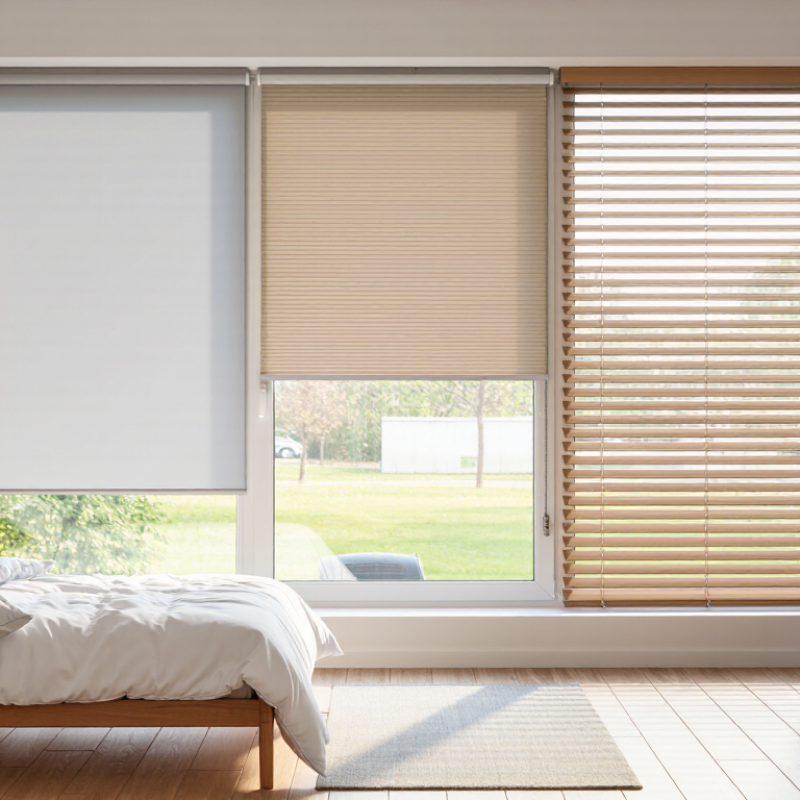
Choosing window shades or blinds starts with the space, not the product. A sunny living room may need solar shades to reduce glare while preserving the outside view. The U.S. Department of Energy reports that windows can account for 25–30% of residential heating and cooling energy use. This makes fabric openness, lining, and close fit important details. A small side gap can still admit bright afternoon heat.
Bedrooms need darkness, privacy, and quiet operation. Room-darkening shades can support better sleep, especially where streetlights enter through narrow windows. For kitchens, moisture-resistant blinds are more practical near sinks and cooking areas. In bathrooms, choose materials that tolerate humidity and allow ventilation. They should not trap condensation against the glass.
I have learned that the darkest fabric is not always the best choice. It can make a small room feel closed. That assumption needs testing. The National Fenestration Rating Council explains that window performance depends on solar heat gain, visible transmittance, and insulation values. These factors help match coverings to orientation. South- and west-facing windows often need stronger glare control, while north-facing rooms may benefit from lighter fabrics. Measure the frame carefully, test samples in morning and evening light, and consider how children or pets move through the room. Good selection is practical, but never perfectly predictable.
Understanding Window Shades and Blinds for Different Spaces
Recommended indoor illuminance varies by room function. Bedrooms and living rooms generally benefit from softer light and stronger glare control, while kitchens and home offices need brighter task lighting. Choose light-filtering shades for balanced daylight and blackout shades or adjustable blinds where privacy and light control are priorities.
Choosing window shades and blinds begins with observing how light moves through the room. A bright eastern window may flood a bedroom with sharp morning light. A south-facing window can create heat and glare for much of the day. Watch the space at different hours before selecting a fabric or slat style. This simple test often reveals more than a showroom sample. Soft-filtering shades can reduce screen glare while keeping the room welcoming. For sleeping areas, room-darkening materials may work better. Yet total darkness is not always necessary, and personal comfort matters.
Privacy needs change with height, view, and daily activity. A bathroom facing a walkway needs stronger coverage than a private upper-floor study. Consider how much visibility remains at night when interior lights are on. That detail is easy to miss. I once assumed a translucent fabric would provide enough privacy, but silhouettes were still visible after sunset. The better choice was a layered solution with adjustable control. Insulation also deserves careful attention. Cellular structures, lined fabrics, and close-fitting installations can slow heat loss near cold glass. In summer, reflective or tightly woven materials may reduce indoor heat. Check the window frame for drafts, because coverings cannot fix every insulation problem. Measure carefully, and allow for handles, vents, and nearby furniture. Small gaps can weaken performance. A practical choice balances light, privacy, and temperature control rather than chasing one perfect feature.
Choosing materials starts with the room’s daily conditions. In bathrooms and kitchens, moisture-resistant aluminum or treated synthetic fabrics usually perform better than untreated wood. Wood adds warmth, but humidity can cause warping over time. I once chose a beautiful woven shade for a steamy kitchen, and it absorbed odors quickly. That mistake taught me to test the environment before trusting appearance.
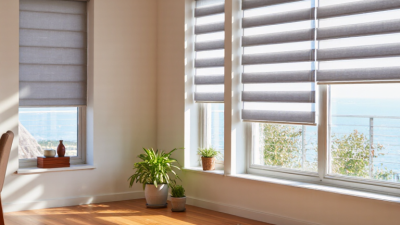
Style should support both architecture and routine. Roller shades create a clean line in modern rooms, while Roman shades soften bedrooms and reading corners. Venetian blinds offer adjustable light control for desks and living areas. Consider the window frame, wall color, furniture, and outside view together. A pale, translucent fabric can diffuse harsh afternoon sunlight without making a room feel closed. For bedrooms, layered shades may provide daytime privacy and near-darkness at night. Small samples help.
Operating mechanisms deserve careful attention. Cordless systems look tidy and reduce hazards around children and pets. Chain-operated shades can suit tall windows, but they need secure installation and comfortable reach. Motorized controls are useful for wide or high windows, although batteries and service access should be considered. Measure each window separately, even when they appear identical. Walls and frames are rarely perfect. Check the mounting surface before ordering, and leave clearance for handles, locks, and ventilation. A shade that looks correct online may obstruct a window when installed.
| Window Treatment | Common Materials | Style and Visual Effect | Operating Mechanisms | Light and Privacy Control | Best-Suited Spaces | Moisture and Maintenance | Key Consideration |
|---|---|---|---|---|---|---|---|
| Roller Shades | Polyester, cotton blends, fiberglass-coated fabric, or solar screen fabric | Clean, simple, and space-efficient; available in solid, textured, blackout, and screen styles | Chain loop, spring-assisted, cordless, or motorized lift | ★★★★★ Ranges from filtered light to near-total blackout; privacy depends on fabric openness |
Living rooms, bedrooms, offices, kitchens, and modern interiors | Generally easy to dust or vacuum; moisture-resistant fabrics are preferable in humid areas | Choose the fabric openness carefully because it determines glare, visibility, and daytime privacy |
| Cellular Shades | Lightweight pleated polyester fabric with honeycomb air pockets | Soft, streamlined appearance with a subtle pleated texture | Cordless, top-down/bottom-up, continuous loop, or motorized lift | ★★★★☆ Good light diffusion and privacy; blackout versions are available |
Bedrooms, nurseries, living areas, and rooms needing improved temperature control | Best cleaned with gentle dusting or low-suction vacuuming; not ideal for direct water cleaning | Honeycomb construction helps reduce heat transfer, but performance varies by fabric and window installation |
| Roman Shades | Fabric, linen blends, cotton, polyester, or lined upholstery textiles | Decorative folded panels that create a tailored and comfortable appearance | Cordless, continuous loop, or motorized lift | ★★★★☆ Excellent privacy potential; lining controls light and improves opacity |
Dining rooms, bedrooms, formal living rooms, and traditional or transitional interiors | Requires regular dusting; some fabrics may need professional cleaning and are less suitable for damp rooms | Fabric choice strongly affects appearance, cleaning requirements, and light filtration |
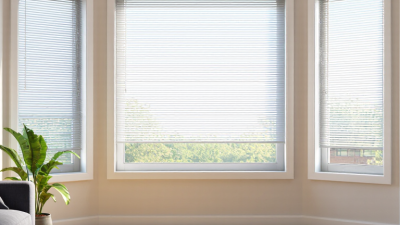
| Venetian Blinds | Aluminum or other lightweight metal slats | Structured horizontal lines with a crisp, practical appearance | Wand tilt, cord tilt, cordless tilt, or motorized control | ★★★★★ Precise adjustment of light direction and privacy through slat rotation |
Home offices, kitchens, bathrooms, and contemporary interiors | Easy to wipe clean; aluminum resists humidity and is less likely to absorb odors | Slat width affects the view-through level, visual weight, and amount of daylight entering the room |
| Wood Blinds | Natural wood slats with painted, stained, or clear finishes | Warm, architectural, and premium-looking with visible natural grain | Wand tilt, cord tilt, cordless, or motorized control | ★★★★★ Very good privacy and directional light control |
Living rooms, bedrooms, studies, and dry interior spaces | Dust with a soft cloth; prolonged humidity can contribute to warping or finish deterioration | Avoid areas with frequent condensation or splashing unless the construction is specifically rated for moisture |
| Faux Wood Blinds | Composite materials, PVC, or polymer-coated slats | Replicates the look of painted wood with a consistent, durable finish | Wand tilt, cord tilt, cordless, or motorized control | ★★★★★ Strong privacy and adjustable light control |
Kitchens, bathrooms, laundry rooms, rental properties, and high-use areas | Easy to wipe clean and generally more moisture-tolerant than natural wood | Usually heavier than natural wood, so the window size and lifting mechanism should be considered |
| Vertical Blinds | Fabric, vinyl, aluminum, or composite vertical vanes | Long vertical lines that visually emphasize height and suit wide openings | Chain-and-cord draw, wand draw, split draw, or motorized traverse | ★★★★☆ Good coverage and adjustable privacy; vane overlap affects light gaps |
Sliding glass doors, patio doors, wide windows, and large openings | Fabric vanes need dusting or vacuuming; vinyl and aluminum are easier to wipe clean | Measure the stack-back area because drawn vanes occupy space beside the window or door |
| Woven Wood Shades | Bamboo, grasses, reeds, jute, rattan, and other natural fibers | Organic, textured, and relaxed; adds natural variation to the room | Cordless, continuous loop, top-down/bottom-up, or motorized lift | ★★★☆☆ Usually filters light and provides moderate privacy; liners increase opacity |
Living rooms, bedrooms, sunrooms, and nature-inspired interiors | Requires gentle dusting; natural fibers can be affected by excessive moisture and direct sunlight over time | Add a privacy or blackout liner when the room requires stronger nighttime coverage |
| Sheer Shades | Sheer fabric vanes suspended between translucent panels | Soft, airy appearance with a layered combination of fabric and horizontal vanes | Chain loop, cordless, or motorized tilt-and-lift operation | ★★★★☆ Balances daylight and daytime privacy; nighttime privacy improves when fully closed |
Living rooms, dining rooms, bedrooms, and spaces with scenic outdoor views | Use gentle dusting or low-suction vacuuming; delicate fabrics may require careful handling | Suitable when maintaining a view and soft daylight is more important than complete blackout |
| Panel Track Shades | Fabric panels, woven materials, or solar screen textiles | Minimal, contemporary panels that slide horizontally across large openings | Manual wand or cord draw, split draw, or motorized traverse | ★★★★☆ Available in light-filtering, room-darkening, and solar screen fabrics |
Wide windows, sliding doors, room dividers, and open-plan interiors | Fabric panels are usually dusted or vacuumed; screen fabrics may require manufacturer-approved cleaning | Requires adequate side clearance for the panel stack and careful alignment across wide spans |
Selection tip: Match the treatment to the room’s moisture level, desired privacy, daylight requirements, window size, cleaning routine, and preferred operating method. For homes with children or pets, cordless or motorized options can reduce accessible loop and cord hazards.
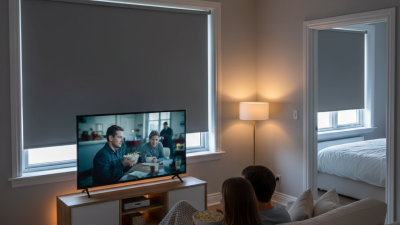
Room function should lead the decision, not color alone. Bedrooms benefit from blackout shades that soften morning glare and protect sleep. Living rooms need adjustable light, especially near televisions or reading chairs. Kitchens require washable, moisture-resistant materials. Bathrooms demand privacy and stable fabrics that resist humidity. Keep it practical. Measure twice.
Energy performance also deserves attention. The International Energy Agency’s 2023 Global Status Report states that buildings consume about 30% of global final energy. Window coverings cannot solve that problem alone, but they can support better indoor comfort. The U.S. Department of Energy reports that tightly fitted cellular shades may reduce window heat loss by approximately 20% to 25%. In sunny rooms, reflective blinds can limit unwanted solar heat. Orientation matters, too. A west-facing window often needs stronger glare control than a shaded north-facing window.
Interior design should refine the choice. Use woven textures in calm bedrooms, clean roller shades in modern offices, and soft folds where a room needs warmth. Match the shade’s openness to the view and privacy level. A common mistake is choosing a beautiful translucent fabric for a room that needs darkness. That choice can be wrong. Consider mounting depth, handle access, child-safe operation, and cleaning effort before ordering. Professional measurements and performance labels, including U-factor and solar heat gain data recognized by the National Fenestration Rating Council, make comparisons more reliable.
How to Choose Window Shades and Blinds for Any Space?
Accurate measurement is the quiet foundation of a successful window treatment. Measure each window separately, even when they look identical. Record the width at the top, middle, and bottom. Use the smallest width for an inside mount. Measure height from the top of the recess to the sill. I still recheck every number. Small errors become obvious when fabric rubs against the frame.
The U.S. Department of Energy reports that windows can cause 25%–30% of residential heating and cooling energy use. This makes installation more than a design decision. For sunny rooms, choose shades that limit solar heat gain while preserving useful daylight. The National Fenestration Rating Council evaluates window performance through U-factor and solar heat gain coefficient ratings. These figures help compare insulation and heat control. They do not replace a room-by-room assessment.
Installation should leave enough clearance for handles, locks, and cleaning access. A blind mounted too close to a handle may remain partly open. That defeats the purpose. Secure operating components properly, especially in homes with children or pets. The U.S. Consumer Product Safety Commission continues to identify accessible window-covering cords as a strangulation hazard, so cordless designs or inaccessible controls are safer choices. Dust fabric gently with a soft brush. Vacuum slats with a low setting. Avoid soaking materials unless the manufacturer permits it. Maintenance plans are often neglected, and that is where otherwise careful projects begin to fail.