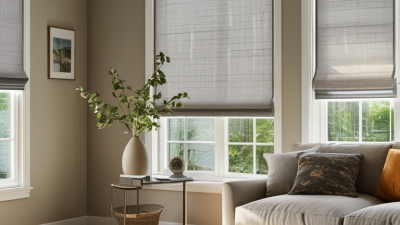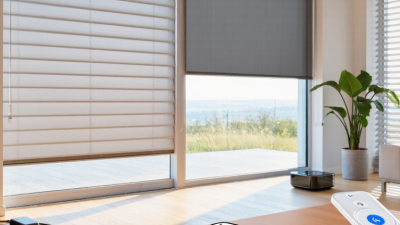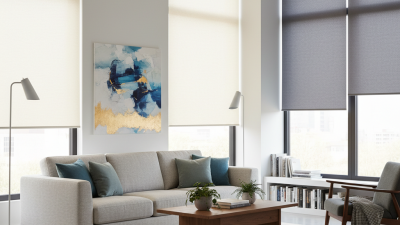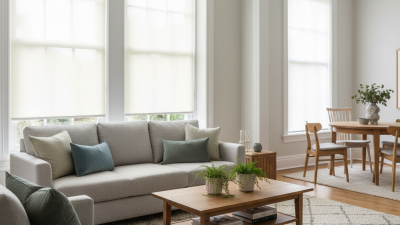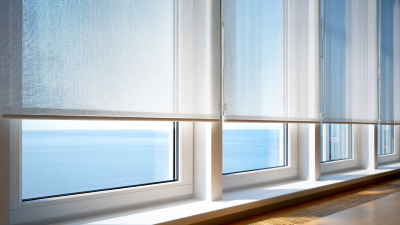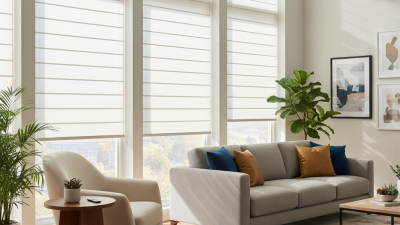
Choosing the best automatic blinds is not simply a matter of selecting the most expensive model. The right choice depends on your windows, daily routines, sunlight levels, and smart-home system. A wide south-facing window may need strong glare control, while a small bedroom window may benefit more from quiet operation and blackout fabric. Measure carefully. Small errors can create visible gaps, uneven movement, or unnecessary light leakage.
Avi Rosenthal, a smart-home industry consultant, offers a useful principle: “Automation should simplify routines, not add another routine to manage.” That idea should guide every purchase. Look for reliable motors, clear control options, accurate scheduling, and compatibility with your existing platform. Voice control is convenient, but physical switches still matter when guests arrive or Wi-Fi fails. Battery-powered models reduce installation work, although batteries may need regular replacement. Wired systems often provide steadier performance, but installation can be more complex.
Fabric choice deserves equal attention. Light-filtering materials soften harsh afternoon glare, while blackout fabrics support deeper sleep and better screen visibility. Check the back of the blind, too. A reflective backing can reduce heat near sun-exposed glass. Product specifications matter, but real-world testing matters more. A showroom cannot fully reveal motor noise, morning light, or uneven window frames. There is no perfect system. The best automatic blinds balance comfort, appearance, maintenance, and long-term reliability. Before ordering, compare warranties, installation support, control methods, and replacement options. A thoughtful decision today can prevent expensive frustration later.
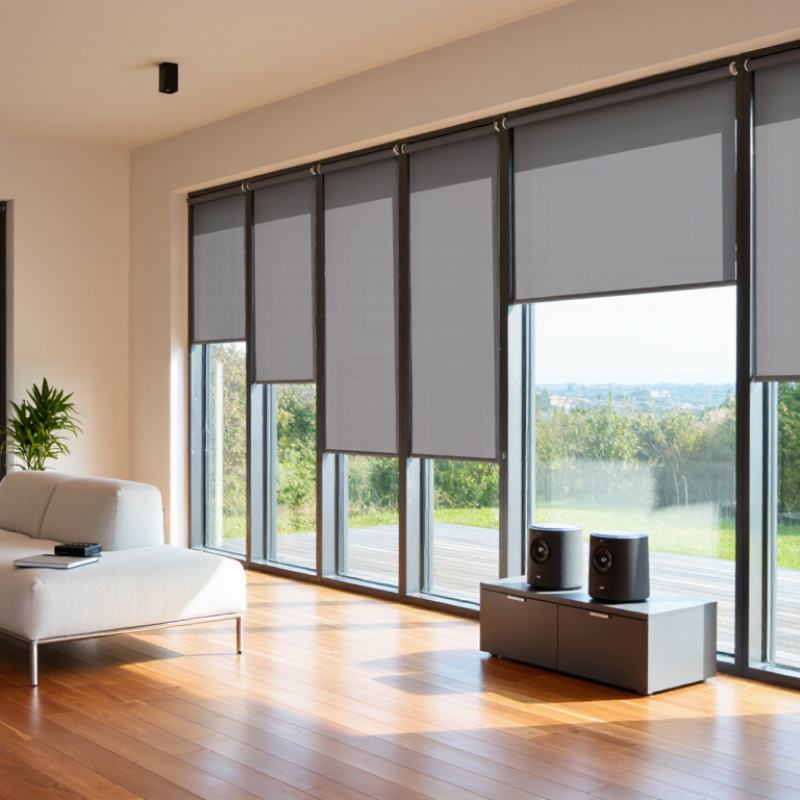
Automatic blinds combine window covering with motorized control. They can open on a schedule, respond to daylight, or operate through a wall switch. The best choice depends on window size, room function, light control, and power access.
In my experience, measuring twice prevents expensive mistakes. Check the recess depth, mounting surface, and blind weight before ordering. Also, review the control system carefully. A convenient feature becomes frustrating when pairing instructions are unclear.
The main types suit different needs. Automatic roller blinds offer a clean appearance and strong privacy. They work well in bedrooms and living rooms.
Venetian blinds use adjustable slats, allowing precise control over sunlight and airflow. Cellular blinds add insulation through their honeycomb structure, which can help rooms feel steadier in changing temperatures.
Blackout fabrics reduce glare, but small edge gaps may still admit morning light. That detail is easy to miss.
Tips: Match the fabric to the room. Use moisture-resistant materials in bathrooms, if suitable for local conditions. Choose rechargeable power when wiring is difficult, but confirm charging access first. Keep the control method simple for older users. Ask for installation guidance when windows are unusually wide or high. I once focused too much on appearance and overlooked battery placement. It looked better, but daily charging became annoying. Check maintenance needs before deciding.
How to Choose the Best Automatic Blinds?
Choosing automatic blinds starts with the window, not the control app. Measure width and height at three points, since older frames can vary. Record the smallest measurement for an inside mount. Check handles, locks, deep sills, and nearby furniture before ordering. A narrow recess may need an outside mount. It may look less discreet.
Room function should guide fabric and movement. In a bedroom, test blackout material at night, especially around the side gaps. A child’s room needs cordless operation and secure installation. Kitchens and bathrooms demand moisture-tolerant materials, while living rooms may benefit from filtered daylight. Note morning glare on the television and afternoon heat near the glass. Small details matter. Blackout fabric can make a room feel flat during daytime.
Control preferences are personal, but reliability matters more than novelty. A wall switch suits shared spaces; a remote helps when furniture blocks access. App control can schedule opening, though it depends on stable power and network service. Voice control is convenient, but keep a physical backup. Check motor noise, battery access, manual override, and compatibility with existing automation before purchase. Ask an installer about load, alignment, and local electrical requirements. My early measurements were too casual, and the blind sat unevenly. Rechecking saved the replacement cost. Good planning is less exciting, but it prevents expensive disappointment.
How to Choose the Best Automatic Blinds?
Power source affects daily convenience more than many buyers expect. Battery-powered blinds install quickly and suit rented homes. They work well near windows without nearby outlets. However, batteries may weaken during cold weather or heavy use. Rechargeable systems reduce waste, but charging access still matters. Solar-assisted blinds can help in bright rooms, although shaded windows may charge slowly. Hardwired models offer steady power, but installation usually needs a qualified electrician.
Smart features should match your routine, not just the product description. A timer can open blinds gently at sunrise. Light sensors can reduce glare on a computer screen. Temperature schedules may limit afternoon heat near south-facing windows. Voice control feels convenient, but app access can fail during internet outages. Look for manual controls and clear privacy settings. I would also check whether the system receives security updates. That detail is easy to overlook.
Installation choices affect appearance and performance. An inside mount creates a clean frame, but uneven window recesses can leave small gaps. An outside mount covers more light and may improve privacy. Measure width at three points, because older frames are rarely perfect. For heavy blinds, use suitable anchors and confirm wall material first. Professional installation costs more, yet it can prevent crooked tracks and damaged trim. I once underestimated handle clearance; the blind operated, but not smoothly. Small mistakes matter.
Choosing the best automatic blinds requires more than comparing motor speed or remote controls. Material affects comfort, durability, and indoor air quality. Aluminum blinds resist moisture and suit kitchens, while tightly woven polyester works well in bedrooms. Natural wood looks warm, but humidity may cause warping. I learned this after fitting wooden blinds near a frequently opened bathroom window.
Safety deserves careful testing. Choose systems with enclosed cords, obstacle detection, and a manual override. Check whether the blind stops when it meets resistance. Keep controls away from young children. Rechargeable batteries reduce wiring, but they still need regular inspection. A quiet motor is useful, though silence alone does not prove quality.
Tips: Measure the window at three points. Small gaps can reduce insulation. Select light-colored or reflective fabrics for sunny rooms. Use timers to close blinds during peak afternoon heat. Clean sensors and tracks gently every few months. Do not spray liquid near the motor. Dust may seem harmless, but it can slow movement over time. Energy savings also depend on window glass, room direction, and local weather. I would not trust advertising claims without clear test methods or warranty terms. Maintenance is easy to overlook. That mistake becomes expensive when a small battery issue damages daily convenience.
A practical comparison of common blind materials and the factors that influence comfort, safety, energy use, durability, and maintenance.
| Material / Blind Type | Light & Privacy Control | Thermal & Energy Performance | Safety Considerations for Automation | Maintenance Requirements | Moisture & Durability | Best Use Case |
|---|---|---|---|---|---|---|
| Aluminum Venetian Blinds | Adjustable horizontal slats provide precise daylight control. Room-darkening performance depends on slat overlap and side gaps. | Reflective light-colored finishes can reduce solar heat gain, but thin slats provide limited insulation compared with cellular shades or lined curtains. | Choose a cordless motorized system with concealed wiring, soft-start and soft-stop movement, obstacle detection, and a manual override where available. | Dust with a microfiber cloth or vacuum using a soft brush. Avoid abrasive cleaners that may scratch painted or anodized surfaces. | Resists humidity, warping, and fading better than many natural materials. Slats can bend if struck or handled roughly. | Kitchens, offices, bathrooms with suitable finishes, and rooms requiring adjustable glare control. |
| Polyester Roller Shades | Available in light-filtering, privacy, and blackout fabrics. Openness factors commonly range from about 1% to 10%; lower values generally provide greater glare and privacy control. | Fabric density, color, reflective backing, and close-to-glass installation affect performance. Solar-screen fabrics can reduce glare while preserving outward visibility. | Use a fully enclosed or cordless motorized mechanism. Program upper and lower limits carefully to prevent fabric compression and unnecessary motor load. | Vacuum gently or dust with a soft brush. Spot-clean with a diluted mild detergent only after checking the fabric care instructions. | Generally stable and lightweight. Prolonged direct sunlight can fade some fabrics; moisture-resistant versions are preferable in humid areas. | Bedrooms, living rooms, media rooms, and windows where a clean, compact appearance is important. |
| Cellular / Honeycomb Shades | Offered in single-, double-, and some triple-cell constructions, with options ranging from sheer light filtering to blackout. | Air pockets help reduce heat transfer through the window. Performance is strongest when the shade fits closely and side gaps are minimized; cellular construction is generally more insulating than a single fabric layer. | Motorized cordless operation is suitable for homes with children or pets. Select a system with obstruction sensing and reliable stop-position calibration. | Use low-suction vacuuming or a feather duster. Do not press or crease the cells, and avoid soaking the fabric. | Lightweight but more vulnerable to crushing and dust accumulation inside the cells. Keep away from persistent condensation. | Bedrooms, nurseries, offices, and rooms where insulation and quieter indoor temperatures are priorities. |
| PVC or Composite Blinds | Solid slats can provide strong privacy and effective room darkening when properly overlapped. Color and surface finish influence glare. | Provides more resistance to heat and moisture than untreated wood, but solid slats are not highly insulating without additional window treatments. | Verify that the material is suitable for the motor torque and blind weight. Use cordless controls and prevent the slats from contacting nearby furniture during operation. | Wipe with a damp microfiber cloth and mild soap. Avoid high heat, solvents, and excessive force on the slats. | Good moisture resistance and easy cleaning. Lower-quality PVC may discolor or become brittle after prolonged ultraviolet exposure or high temperatures. | Bathrooms, utility areas, rental properties, and locations requiring low-cost, wipe-clean surfaces. |
| Real Wood Blinds | Solid slats offer strong privacy and directional light control. Blackout performance requires close fitting and may benefit from side channels or additional drapery. | Wood has lower thermal conductivity than metal, but blind performance depends heavily on slat closure, window gaps, and installation quality. | Use a motor rated for the blind's weight and slat size. Automated tilt and lift should include travel limits and obstruction detection. | Dust with a dry or barely damp cloth. Do not saturate the slats; moisture can damage finishes and cause dimensional changes. | Can last for many years indoors when protected from moisture. Not recommended for consistently damp locations unless specifically engineered for them. | Dining rooms, studies, bedrooms, and interiors where appearance and natural materials are important. |
| Faux Wood Blinds | Provides strong privacy and directional glare control, with room-darkening capability determined by slat overlap and installation gaps. | Usually less insulating than cellular shades but often more stable in sun and humidity than real wood. White surfaces can reflect a portion of incident solar radiation. | Because these blinds can be relatively heavy, confirm motor load capacity and use calibrated upper and lower limits to reduce strain. | Wipe with a damp cloth and mild detergent. Dry promptly to prevent water from collecting around the headrail or control components. | Resists moisture and warping better than many natural wood products. Excessive heat may deform some composite formulations. | Bathrooms, kitchens, high-use rooms, and homes seeking a wood appearance with easier care. |
| Woven Bamboo or Natural Grass Shades | Usually provides filtered light and moderate privacy. A liner is needed for stronger privacy or room-darkening performance. | The woven structure offers limited insulation by itself; adding a liner can improve light control and reduce some heat transfer. | Check that the motor can handle uneven or textured materials. Use a cordless system and set conservative travel limits to protect the weave. | Dust gently with a soft brush or low-suction vacuum. Avoid soaking, steam cleaning, and prolonged exposure to condensation. | Natural fibers may expand, contract, fade, or develop mildew in persistently humid conditions. Indoor use in dry areas is preferable. | Living rooms, sunrooms, and interiors favoring natural texture and filtered daylight. |
| Evaluation Area | What to Check Before Buying |
|---|---|
| Safety | Prefer cordless operation, concealed cords, obstacle detection, soft-start and soft-stop movement, secure mounting, a manual override, and controls that can be kept out of children's reach. Follow applicable local window-covering safety requirements. |
| Energy Efficiency | Choose light-colored or reflective surfaces for strong sun exposure, close-fitting shades to reduce edge gaps, and cellular construction when reducing heat transfer is a primary goal. Automated schedules can open shades for useful daylight and close them during peak solar exposure. |
| Motor and Power | Match motor capacity to blind width, height, material, and weight. Compare rechargeable-battery, replaceable-battery, and wired options based on installation access and expected operating frequency. |
| Controls and Integration | Confirm compatibility with the intended wall switch, remote, timer, daylight sensor, or home-automation system. Local control should remain available if the network connection fails. |
| Maintenance and Service | Check fabric-cleaning instructions, battery access, replacement-part availability, motor noise expectations, and whether the blind can be removed without damaging the window frame. |
Note: Energy performance varies with window glazing, orientation, climate, installation gaps, shade color, and operating schedules. The material comparisons above describe typical behavior rather than a guaranteed rating for every product.
Choosing the best automatic blinds starts with your daily routine, not the newest feature list. A bedroom may need quiet motors, blackout fabric, and scheduled opening after sunrise. A south-facing living room needs strong glare control. Measure twice. A small sizing error can create light gaps, uneven movement, or extra installation costs.
Budget for more than the blind itself. Include the motor, control hub, power option, fitting, and future battery replacement. Battery models suit renters and small windows, while wired systems may work better during renovations. The U.S. Department of Energy reports that about 76% of sunlight reaching standard double-pane windows can enter as heat. This makes solar-facing rooms a practical priority. Still, automatic blinds cannot replace good ventilation or efficient glazing.
Lifestyle matters just as much. Families may value child-safe operation and simple wall controls. Remote workers often need glare reduction without losing natural light. The UNEP 2024 Global Status Report for Buildings and Construction states that buildings consume about 32% of global energy and produce roughly 34% of energy-related emissions. That does not mean every automated blind will deliver major savings. Results depend on fabric, window direction, climate, and user settings. Avoid choosing solely by advertised energy claims. Test the app, listen to the motor, and check manual operation during a power outage. Convenience is useful, but reliability matters more.
Select automatic blinds by matching your budget and lifestyle priorities. The scores below use a practical 1–5 planning scale, where 5 means the feature is highly important for that household type.
Use the chart as a starting point: prioritize convenience and safety for busy homes, privacy and energy control for bedrooms, and budget compatibility when covering many windows.