How to Choose Automatic Blinds in 2026?

Choosing automatic blinds in 2026 involves more than selecting a stylish fabric and pressing a button. A reliable system should balance privacy, daylight control, energy performance, safety, and long-term maintenance. The right choice depends on window size, room purpose, wiring access, and household routines. A bedroom may need quiet movement and blackout fabric, while a kitchen may require moisture-resistant materials.

Real-world testing matters. Measure each window carefully, including the frame depth and handle position. Then compare motor noise, battery life, charging methods, and control options. Some models respond through wall switches, remotes, mobile applications, or smart-home platforms. Compatibility claims can be confusing, so checking current manufacturer documentation is essential. An independent installer can also identify issues that product pages often overlook.

Small details matter.

For example, a blind that stops two centimetres above the sill may allow unwanted morning light. A rechargeable motor may appear convenient, but frequent charging becomes frustrating on tall windows. Fabric samples should be viewed in both sunlight and evening lighting. Colors can change significantly.

This guide examines the practical features behind automatic blinds, including installation, privacy, child safety, automation, and operating costs. It also considers product limitations, because no system is perfect. Wireless controls can fail, sensors may need recalibration, and smart-home integration can change after software updates. Careful comparison, verified specifications, and honest expectations can lead to a safer and more comfortable decision in 2026.
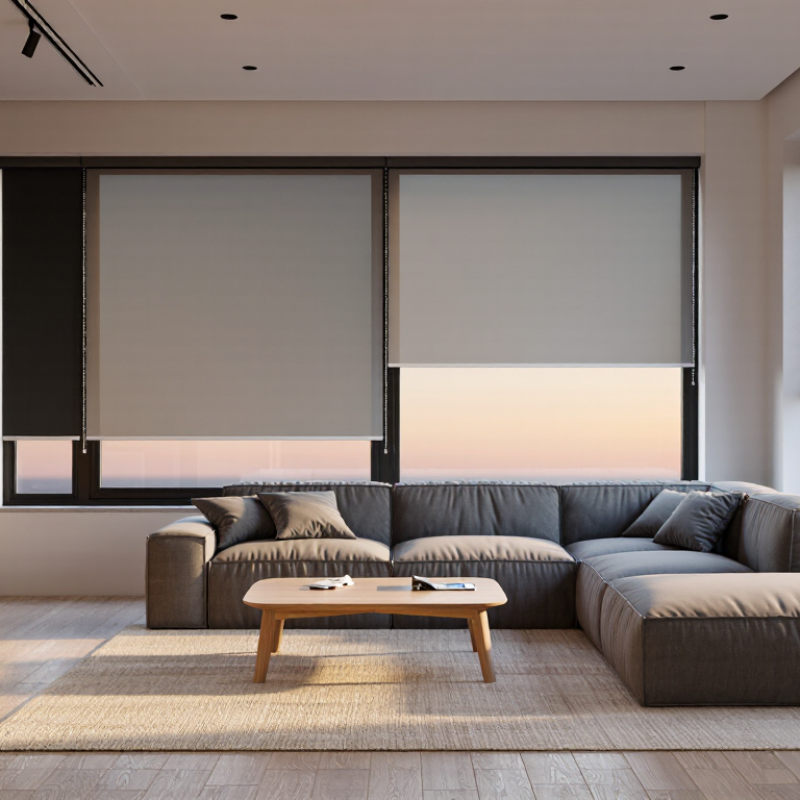
How to Choose Automatic Blinds in 2026?

Define Your Smart Blind Needs and Room Conditions

How to Choose Automatic Blinds in 2026?

Before choosing automatic blinds, define what you need from each room. A bedroom may require quiet movement and complete darkness. A kitchen may need moisture-resistant materials and easy cleaning. A home office often benefits from glare control near the monitor. Do not treat every window alike.

Measure each window carefully, including the frame depth, opening direction, and nearby furniture. Note how sunlight changes from morning to afternoon. A west-facing window can become uncomfortably bright after 3 p.m. In my own testing, I underestimated afternoon heat and selected fabric that looked attractive but reduced comfort poorly. That mistake changed my priorities.

Think about your daily habits. Do you want scheduled opening, voice control, or simple wall operation? If children or pets use the room, choose enclosed controls and secure installation methods. Check battery access, motor noise, manual operation, and compatibility with your existing smart-home system. Reliable blinds should still work when the internet fails.

Keep it practical.

Consider insulation as well as appearance. A layered design may reduce heat loss in winter and soften summer glare. However, thicker materials can limit natural light more than expected. Request fabric samples and observe them beside your windows at different times. Your preferred color may look entirely different under artificial lighting. Recheck your assumptions before ordering.
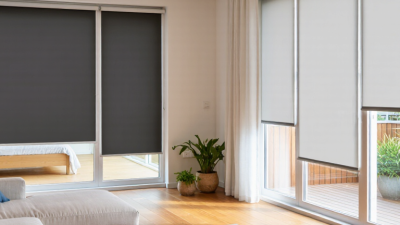
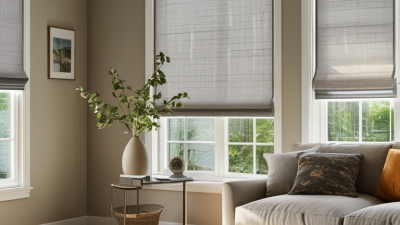
Compare Automatic Blind Types and Control Methods

How to Choose Automatic Blinds in 2026?

Automatic blinds now differ mainly in structure and control method. Roller blinds suit clean windows and strong glare reduction. Cellular blinds add insulation through their honeycomb pockets. Venetian blinds offer precise light adjustment, but their moving slats need regular cleaning. For wide glass doors, motorized curtains may operate more smoothly than narrow blind sections. Measure each window carefully. A small measurement error can cause uneven coverage or unwanted light gaps.

Control options deserve equal attention. A wall switch feels reliable and works well for shared rooms. A handheld remote is simple, especially for bedrooms. App control adds schedules, position settings, and remote access. Voice control is convenient, but it depends on compatible devices and a stable network. Light and temperature sensors can adjust blinds automatically during bright afternoons. However, sensors may react poorly near trees, reflective glass, or changing weather.

I once favored app control for every room. That choice felt modern, but it became inconvenient when the network failed. A local remote or wall control provides useful backup. Battery-powered blinds simplify installation, while wired systems suit new construction and frequent operation. Check battery access, motor noise, manual override options, and child-safety features before buying. The best setup is rarely the most complicated. It should match the room, daily habits, window size, and your tolerance for maintenance.

Evaluate Power Sources, Motor Performance, and Noise

Choosing automatic blinds in 2026 requires more than comparing app features. Power sources affect reliability, installation, and daily maintenance. Rechargeable batteries suit renters and narrow windows, while wired power supports frequent operation. Solar charging can reduce recharging, but shaded rooms may limit its usefulness. Check the charging position during winter, not only on bright showroom days.

Motor performance matters when blinds are wide, heavy, or used several times daily. Look for smooth starting, consistent stopping, and manual override access. A motor that moves quickly may sound harsh or strain under load.

I once selected speed over quiet operation, and the morning noise became irritating. That choice needed more thought.

Tips: Test the blind at different times. Stand beside the window during movement. Listen for clicks, vibration, and uneven travel. A phone sound-meter app can provide a rough comparison, though it is not laboratory equipment. Ask for the motor’s rated load and expected battery cycle life. Keep the control system simple. More settings can create more failure points. Also inspect the mounting surface, because loose brackets can amplify noise. Quiet operation depends on the motor, fabric weight, alignment, and wall structure together.

Check Compatibility With Windows, Hubs, and Voice Assistants

Choosing automatic blinds in 2026 starts with compatibility, not fabric colour. Measure the window frame, glass clearance, and blind mounting depth. A quiet motor can still fail if the frame blocks its movement. For older windows, check whether the blind supports inside or outside mounting. Battery access matters too. A model requiring ladder work every few months becomes inconvenient quickly.

Your hub is equally important. Check whether the blind connects through Wi-Fi, a low-power mesh protocol, or a universal smart-home standard. A hub may be required for schedules, remote control, or multi-room scenes. The Connectivity Standards Alliance reported growing adoption of Matter for cross-platform smart-home communication, but compatibility remains uneven in real homes. Voice control also needs careful checking. Confirm support for your preferred voice assistant, required language, and essential commands, such as “open halfway.” Some systems respond only after an internet connection. That detail is easy to miss.

Tips: Test one window first. Pair it with the hub, create a schedule, and try voice commands from another room. Check whether the blind still works manually during a network outage. IDC’s Worldwide Smart Home Device Tracker projected nearly 900 million smart-home device shipments globally in 2024, showing strong adoption but not perfect interoperability. I have found that installation guides often sound clearer than the actual setup. Leave room for that mistake. Also inspect battery warnings, motor noise, and child-safe control options before ordering.

Assess Installation, Safety, Privacy, and Long-Term Costs

How to Choose Automatic Blinds in 2026?

Assess Installation, Safety, Privacy, and Long-Term Costs

Installation should begin with the window, not the app. Measure recess depth, frame width, and nearby handles. A shallow recess may require outside mounting, leaving visible light gaps. I once underestimated radiator clearance; the blind worked, but the fabric stopped unevenly. That mistake matters.

Safety deserves greater attention. Choose cordless operation, secure mounting, and obstacle detection where available. The U.S. Consumer Product Safety Commission has repeatedly warned about window-covering cords and child strangulation risks. Keep charging cables away from beds and play areas. Test the manual override. It may be inconvenient.

Privacy includes physical and digital control. Check whether the blind closes fully at night, especially around street-facing windows. For connected models, review permission settings, encryption claims, update policies, and local control options. NIST’s IoT guidance, including NISTIR 8259A, emphasizes unique credentials, secure updates, and data protection. A device that opens during a network outage is not truly private.

Long-term cost is more than the purchase price. The U.S. Department of Energy estimates windows account for 25–30% of residential heating and cooling energy use. Well-timed shading can reduce solar heat, but savings depend on orientation, fabric, climate, and programming. Calculate installation, batteries, repairs, subscriptions, and electricity over five years. My rough spreadsheet often favors simpler systems; convenience is valuable, but assumptions can be wrong. Test one window before outfitting the whole home.

Call Now